IUCN RED LIST
Established in 1964, The IUCN Red List is a critical indicator of the health of the world’s biodiversity. Species are classified by the IUCN Red List into nine groups, through criteria such as rate of decline, population size and area of geographic distribution as:
- Extinct (EX) – This species is no longer extant
- Extinct in the wild (EW) – Survives only in captivity, or through cultivation often outside native range
- Critically endangered (CR) – In an extremely critical state
- Endangered (EN) – Very high risk of extinction in the wild
- Vulnerable (VU) – At high risk of unnatural (human-caused) extinction
- Near Threatened (NT) – Close to being endangered in the near future
- Least Concern (LC) – Widespread and abundant in the wild
- Data Deficient (DD) – Inadequate information to assess extinction risk
- Not Evaluated (NE) – Has not yet been assessed







The overall plumage of the Alexandrine Parakeets is bright green, with a bluish-green back of the neck and yellowish-green underparts. A large maroon patch on the shoulder (called the wing coverts) is a key feature of this bird. The tail is long and tapering, green with a blue tip and a yellow underside. Males have a black chin stripe and a rose-pink collar around the neck, while females do not have the collar or chin stripe. The bill is red with a yellow tip and the eyes are yellowish-white. Young birds or juveniles look like females and do not show the male's neck ring until they mature.
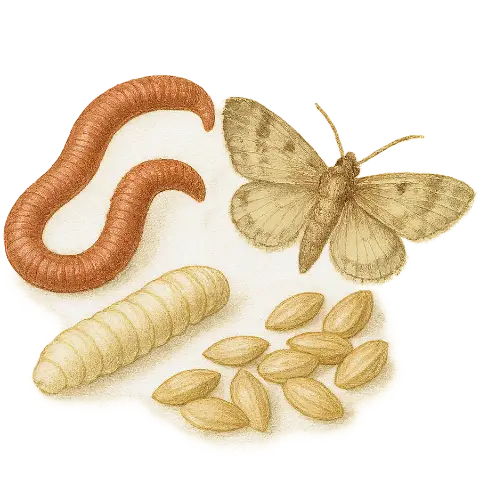
Alexandrine Parakeets primarily feed on fruits, berries, seeds, nuts, grains and flower buds. They forage in tree canopies and on the ground, often holding food with one foot while eating. their zygodactyl feet (two toes facing forward and two facing backwards) allow them to do this. Their strong, curved beak and agile tongue allow them to strip fruit, husk seeds and peel bark to reach food inside. They frequently visit fruiting and flowering trees or chards and farmlands, especially during early mornings and late afternoons. While admired for their striking presence, they are also known to raid crops such as maize, rice and sunflower, which can sometimes create conflict with farmers.
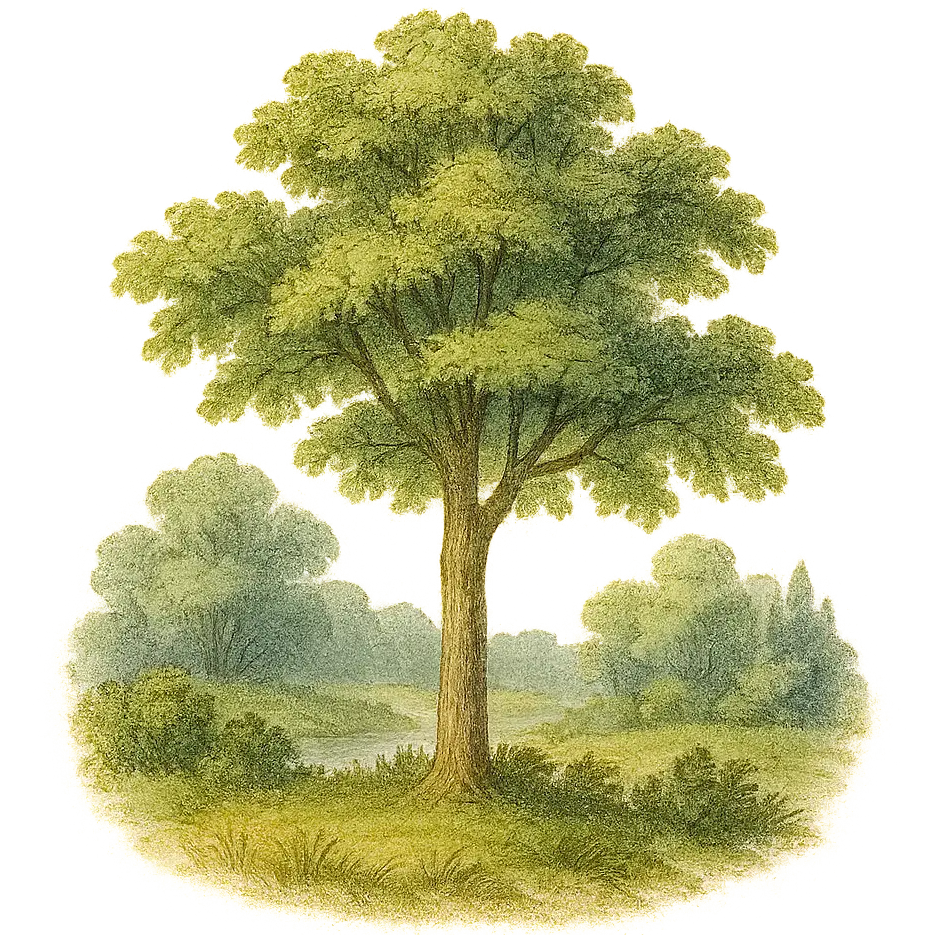
Capable of living at an altitude of upto 1,200 m the Alexandrine Parakeet pefers to live in forests, woodlands, agricultural lands and orchards as well as in close proximity to urban and rural human settlements.
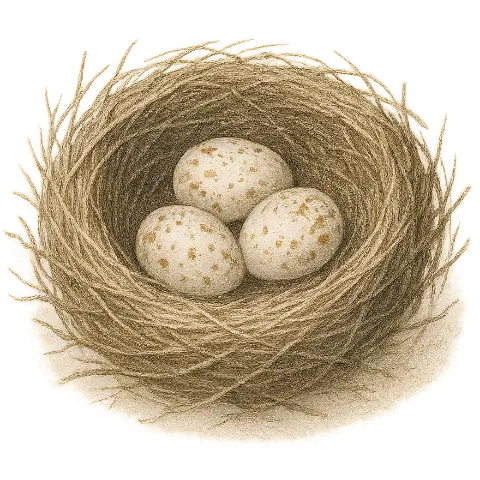
Nest: Alexandrine Parakeets are monogamous and form strong pair bonds. They nest inside tree cavities, often taking over old woodpecker holes. In urban areas, they may also use suitable man-made structures. Nest sites are chosen for safety and height.
Clutch Size: 2 to 4 white eggs. The female incubates the eggs for about 24 to 28 days while the male brings food to her. After hatching, the chicks stay in the nest for about 6 to 7 weeks before fledging. They continue to depend on the parents for a while after leaving the nest.