IUCN RED LIST
Established in 1964, The IUCN Red List is a critical indicator of the health of the world’s biodiversity. Species are classified by the IUCN Red List into nine groups, through criteria such as rate of decline, population size and area of geographic distribution as:
- Extinct (EX) – This species is no longer extant
- Extinct in the wild (EW) – Survives only in captivity, or through cultivation often outside native range
- Critically endangered (CR) – In an extremely critical state
- Endangered (EN) – Very high risk of extinction in the wild
- Vulnerable (VU) – At high risk of unnatural (human-caused) extinction
- Near Threatened (NT) – Close to being endangered in the near future
- Least Concern (LC) – Widespread and abundant in the wild
- Data Deficient (DD) – Inadequate information to assess extinction risk
- Not Evaluated (NE) – Has not yet been assessed





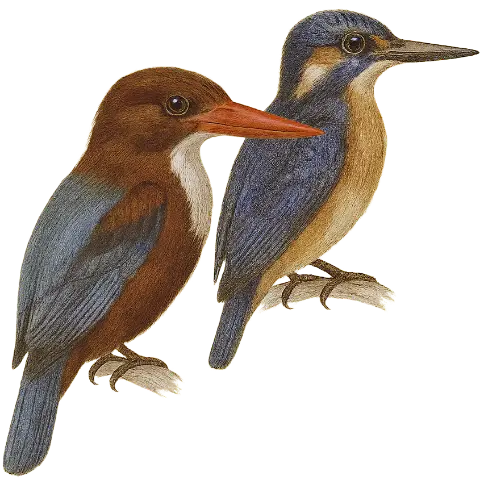




Ashy Prinias show seasonal changes in their plumage. During the breeding season, adults have a greyish-blue back, rufous (chestnut-brown) sides, creamy-white underparts and a blackish tail with white tips. In the non-breeding season, their colours become softer, with the back turning browner or more olive-toned and the contrasts less obvious. Males and females look alike, though males may show slightly brighter colours during the breeding period. Young birds or juveniles are generally duller than adults.
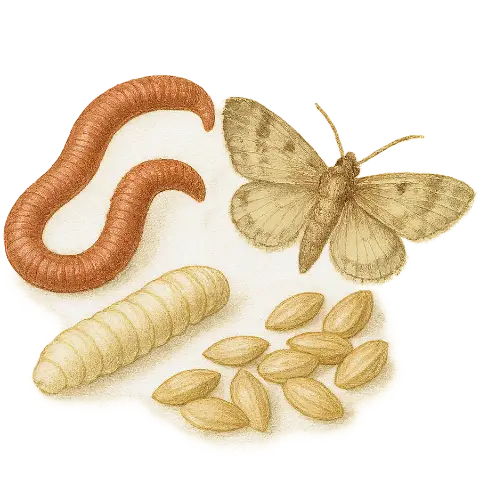
The Ashy Prinia feeds mainly on small insects, caterpillars, beetles, grasshoppers and spiders. It is an active feeder, constantly flitting through shrubs, tall grasses and bushes in quick hops and short flights while searching for prey. This energetic bird forages close to the ground or within low vegetation, using keen eyesight to spot tiny insects hidden among leaves and stems. Its slender beak is ideal for picking and snapping up small invertebrates. By feeding largely on insects, the Ashy Prinia plays a helpful role in controlling pest populations, especially in gardens and farmlands.

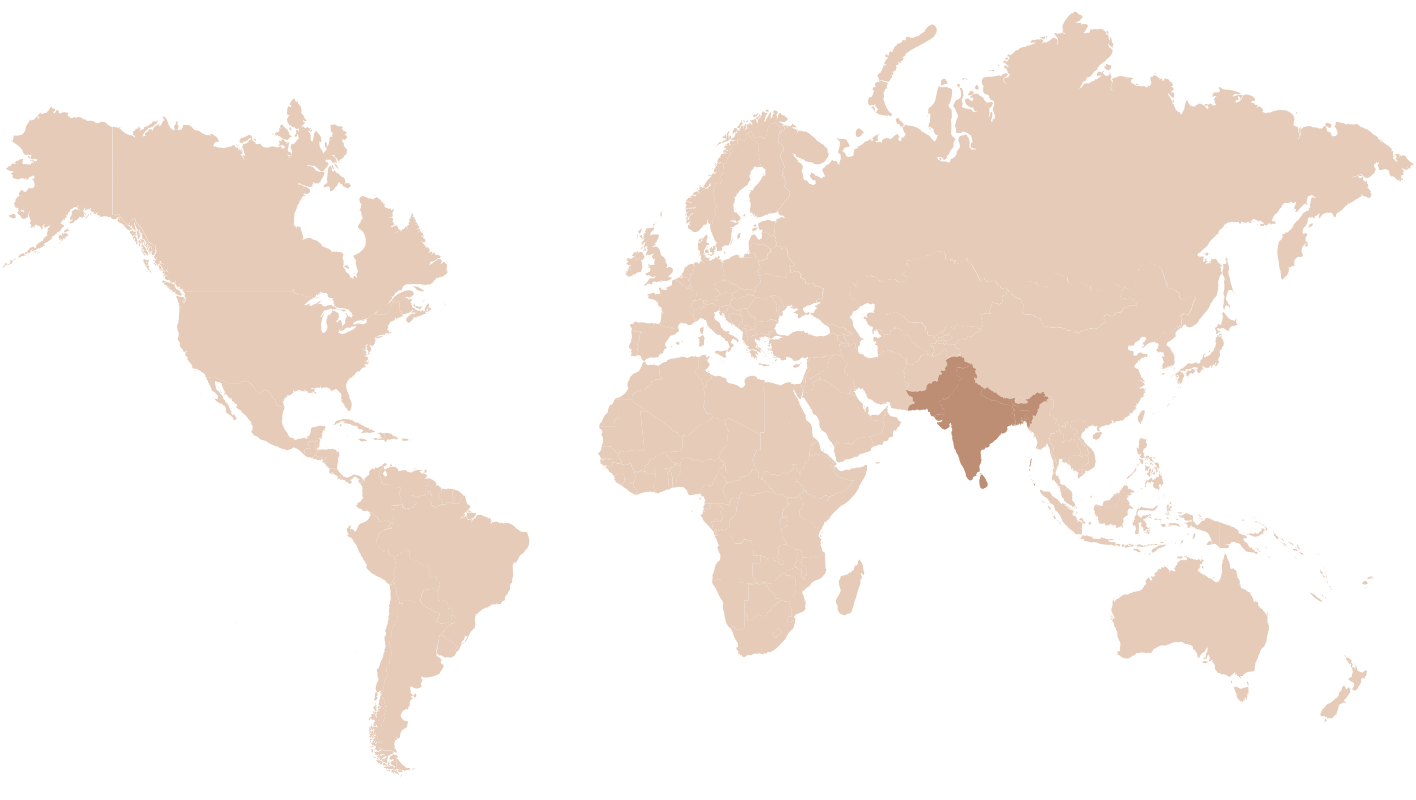
Ashy Prinias enjoy living in grasslands, scrublands, open woodlands, agricultural fields and urban gardens. These birds prefer lowland regions but can also be found at elevations up to 1,500 m. Ashy Prinias have adapted easily to human-modified landscapes and are often seen in villages and urban fringes.
Courtship Display: The male sings frequently and performs short flight displays to gain the female's attention and establish a pair bond.
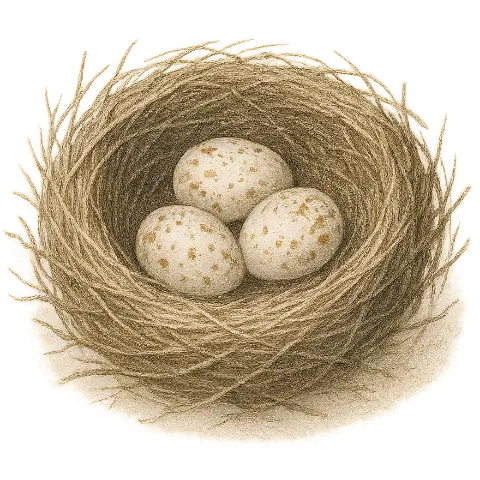
Nest: A neatly sewn, purse-like nest is made from grass and leaves. The edges are stitched together using spider silk or fine plant fibers. The nest is usually attached to tall grasses, reeds or low shrubs, keeping it hidden close to the ground.