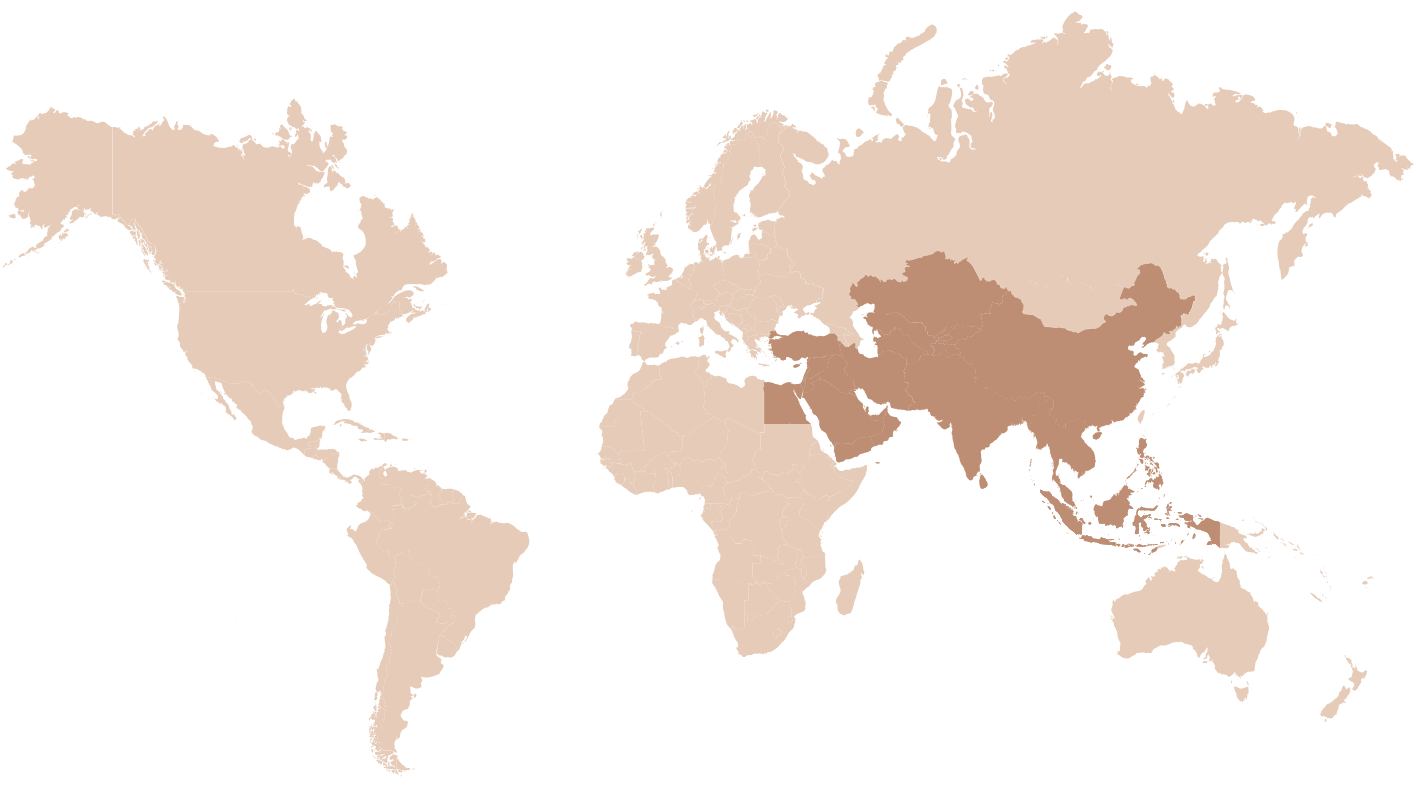
IUCN RED LIST
Established in 1964, The IUCN Red List is a critical indicator of the health of the world’s biodiversity. Species are classified by the IUCN Red List into nine groups, through criteria such as rate of decline, population size and area of geographic distribution as:
- Extinct (EX) – This species is no longer extant
- Extinct in the wild (EW) – Survives only in captivity, or through cultivation often outside native range
- Critically endangered (CR) – In an extremely critical state
- Endangered (EN) – Very high risk of extinction in the wild
- Vulnerable (VU) – At high risk of unnatural (human-caused) extinction
- Near Threatened (NT) – Close to being endangered in the near future
- Least Concern (LC) – Widespread and abundant in the wild
- Data Deficient (DD) – Inadequate information to assess extinction risk
- Not Evaluated (NE) – Has not yet been assessed





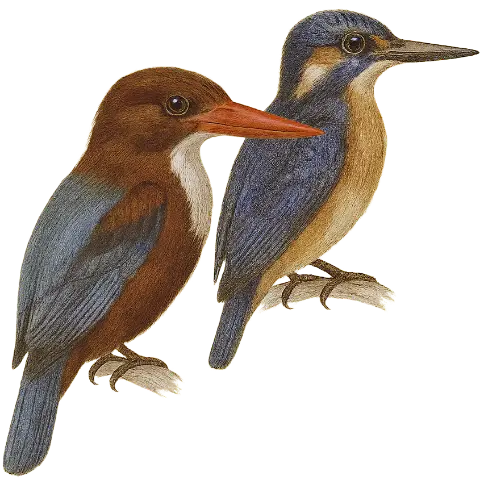




Asian Paradise Flycatchers are elegant birds known for their long tail feathers and colour forms. Males are of two types: rufous and white. Adult males have a glossy black or bluish-black head, crest and throat, with either a chestnut-brown or pure white body and wings. Breeding males show very long central tail streamers that trail behind in flight. Females are rufous above and greyish-white below, with a shorter tail and a blackish head and throat that are less glossy than in males. Young birds or juveniles look like females but are duller and do not have the long tail feathers.
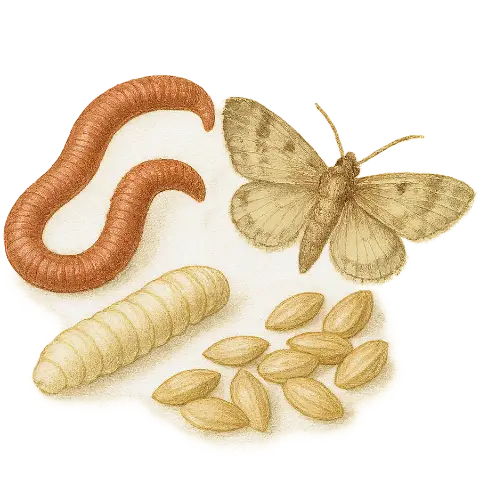
The Asian Paradise Flycatcher feeds mainly on flying insects such as flies, moths, beetles and other small invertebrates. It is a highly agile and active hunter, often flitting through the forest canopy or open woodland. Using a technique called sallying, it darts out from a perch to catch insects in mid-air and then returns to the same or a nearby branch. It may also hover briefly near leaves or bark to pick insects off the surface, especially when feeding young. This species usually forages alone or in pairs, although during migration it may join mixed-species flocks for better feeding opportunities. Feeding is most intense during early mornings and late afternoons, when insect movement is highest. Its graceful flight and rapid aerial manoeuvers make it an efficient predator of fast-moving prey.

Asian Paradise Flycatchers can be seen in deciduous and evergreen forests, wooded gardens, bamboo groves, plantations and riparian areas, often near water. These birds prefer shady forest interiors and can live in higher altitudes of up to 2,000 m.
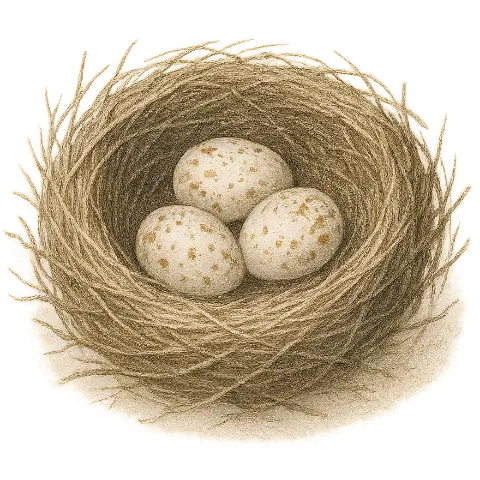
Nest: A small, neat cup-shaped nest is made from fine roots, grass and spider webs. It is usually placed on a horizontal branch or in the fork of a tree, about 2 to 6 meters above the ground. Both the male and female help build the nest and take turns warming the eggs.
Clutch Size: 2 to 4 pale pinkish-white eggs with reddish spots. The male is especially alert and aggressive around the nest, defending the territory from intruders. Both parents feed and care for the chicks until they fledge.