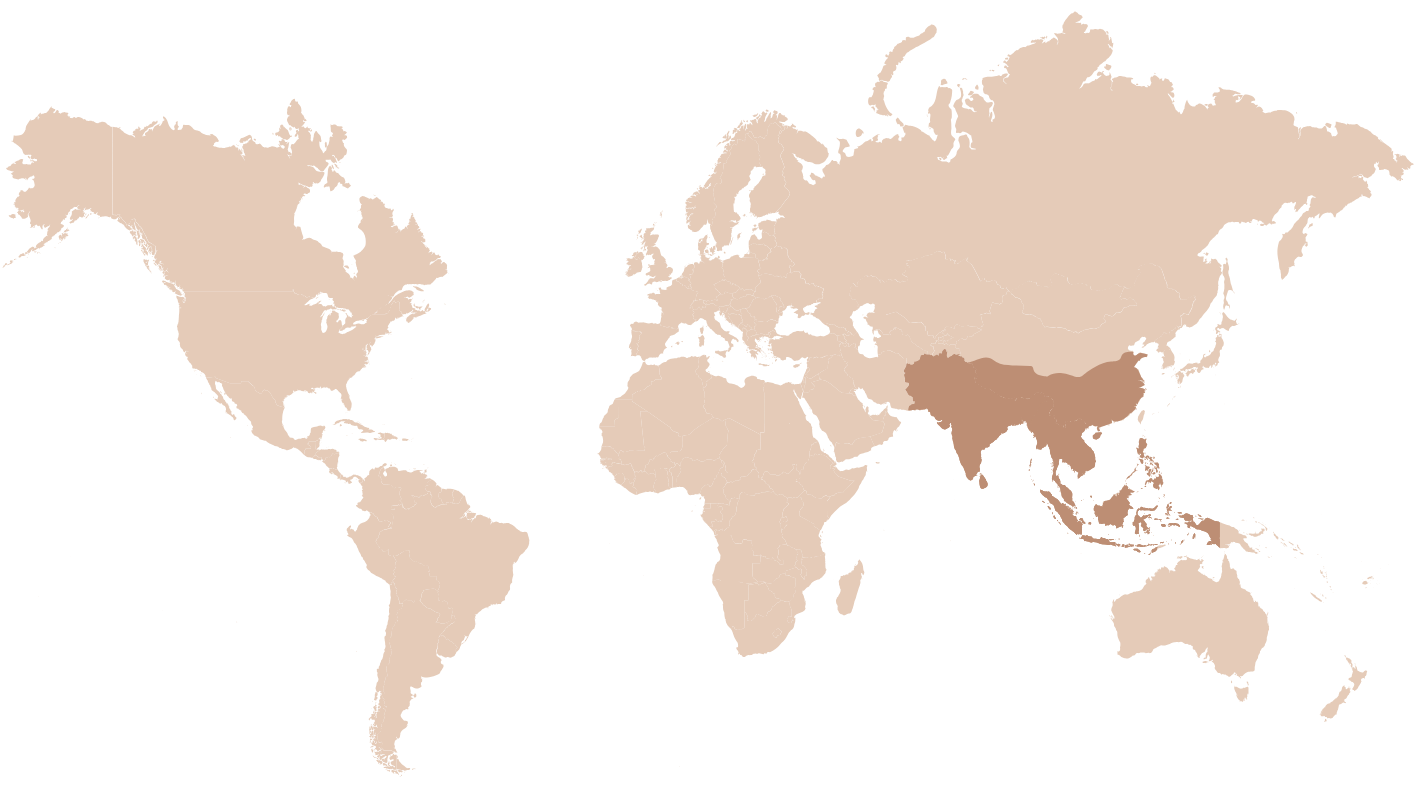
IUCN RED LIST
Established in 1964, The IUCN Red List is a critical indicator of the health of the world’s biodiversity. Species are classified by the IUCN Red List into nine groups, through criteria such as rate of decline, population size and area of geographic distribution as:
- Extinct (EX) – This species is no longer extant
- Extinct in the wild (EW) – Survives only in captivity, or through cultivation often outside native range
- Critically endangered (CR) – In an extremely critical state
- Endangered (EN) – Very high risk of extinction in the wild
- Vulnerable (VU) – At high risk of unnatural (human-caused) extinction
- Near Threatened (NT) – Close to being endangered in the near future
- Least Concern (LC) – Widespread and abundant in the wild
- Data Deficient (DD) – Inadequate information to assess extinction risk
- Not Evaluated (NE) – Has not yet been assessed





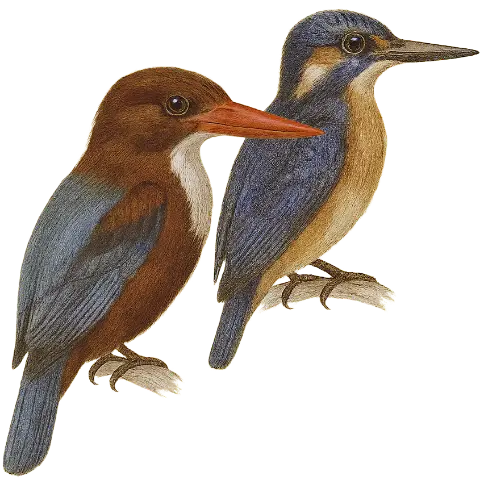




Asian Pied Starlings have a bold black-and-white appearance. The head, neck and upperparts are glossy black, while the breast, belly and rump are white. A clear white cheek patch stands out against the black crown and back of the neck. The bill is orange-red with a yellow tip and there is orange skin around the eyes. The legs are pinkish. Males and females look alike, though males may appear a little glossier. Young birds or juveniles are duller, with more brownish feathers and less distinct markings.
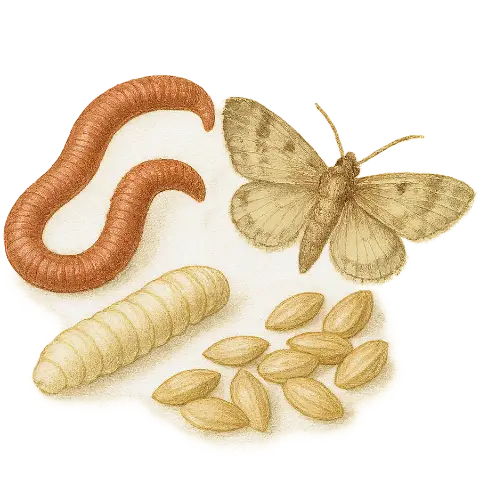
The Asian Pied Starling has a highly flexible diet, feeding on both animal and plant matter. It actively forages in open fields, grasslands and around human settlements, often walking briskly on the ground to search for insects such as grasshoppers, beetles, caterpillars and other small invertebrates. It also feeds on fruits, berries, grains, seeds and sometimes nectar from flowering plants. Being opportunistic, it may visit garbage dumps, livestock areas and farms to consume scraps and spilled animal feed. The species is commonly seen foraging in pairs or small groups, though large flocks may gather where food is plentiful. Its alert movements and habit of turning over leaves or following ploughs help it catch insects disturbed from the soil. Feeding activity is highest in the morning and late afternoon.

The Asian Pied Starling loves the open countryside, agricultural fields, grasslands, gardens and also can live near human settlements. These birds are often found around water bodies such as ponds, rivers and paddy fields. Their adaptability allows them to thrive in both rural and urban environments.
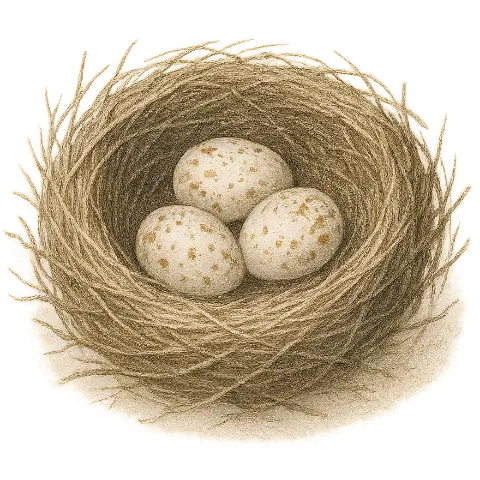
Nest: Asian Pied Starlings are monogamous and keep strong pair bonds during the breeding season. Both the male and female build a cup-shaped nest using grass and twigs. The nest is usually placed inside holes in trees or in crevices of buildings, offering shelter and safety for the eggs.
Clutch Size: 4 to 6 eggs. Both parents share incubation duties and work together to feed the chicks until they are ready to leave the nest.