IUCN RED LIST
Established in 1964, The IUCN Red List is a critical indicator of the health of the world’s biodiversity. Species are classified by the IUCN Red List into nine groups, through criteria such as rate of decline, population size and area of geographic distribution as:
- Extinct (EX) – This species is no longer extant
- Extinct in the wild (EW) – Survives only in captivity, or through cultivation often outside native range
- Critically endangered (CR) – In an extremely critical state
- Endangered (EN) – Very high risk of extinction in the wild
- Vulnerable (VU) – At high risk of unnatural (human-caused) extinction
- Near Threatened (NT) – Close to being endangered in the near future
- Least Concern (LC) – Widespread and abundant in the wild
- Data Deficient (DD) – Inadequate information to assess extinction risk
- Not Evaluated (NE) – Has not yet been assessed




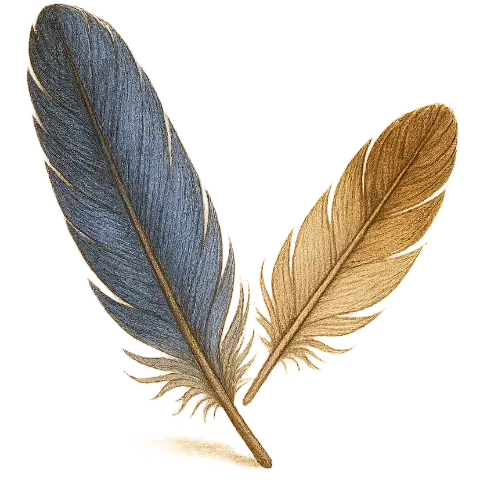
Barn Owls have soft, dense feathers with beautiful patterns. The upper body is golden-buff to light brown, marked with grey and white spots, while the under parts are pure white to pale buff. Their most distinctive feature is the heart-shaped facial disc, which is pale and edged with a thin brown border. This facial disc helps direct sound to their ears, giving them excellent hearing. Their eyes are dark and face forward, improving depth perception for hunting at night. Males are usually paler than females, but both share the same elegant colours.
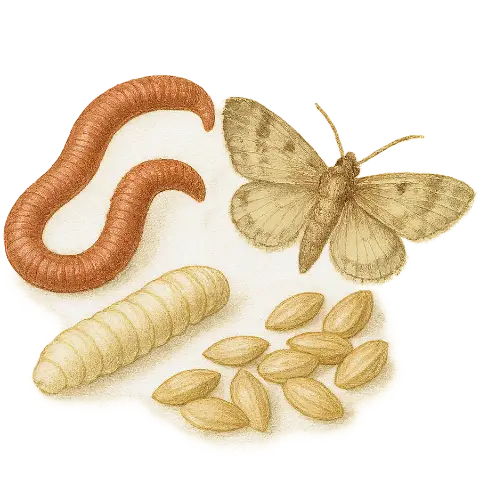
The Barn Owl is a nocturnal predator, hunting mainly at night and sometimes at dusk or dawn. It feeds primarily on small mammals such as mice, voles and shrews, but may also catch small birds, bats and insects. The owl flies silently and low over open fields, grasslands and farmlands, locating prey with its exceptional hearing and sharp night vision. Once prey is detected, it dives swiftly and captures it using strong, curved talons. Barn Owls usually hunt alone and may return to the same feeding area each night. They often swallow smaller prey whole, later regurgitating indigestible parts such as bones and fur as pellets.
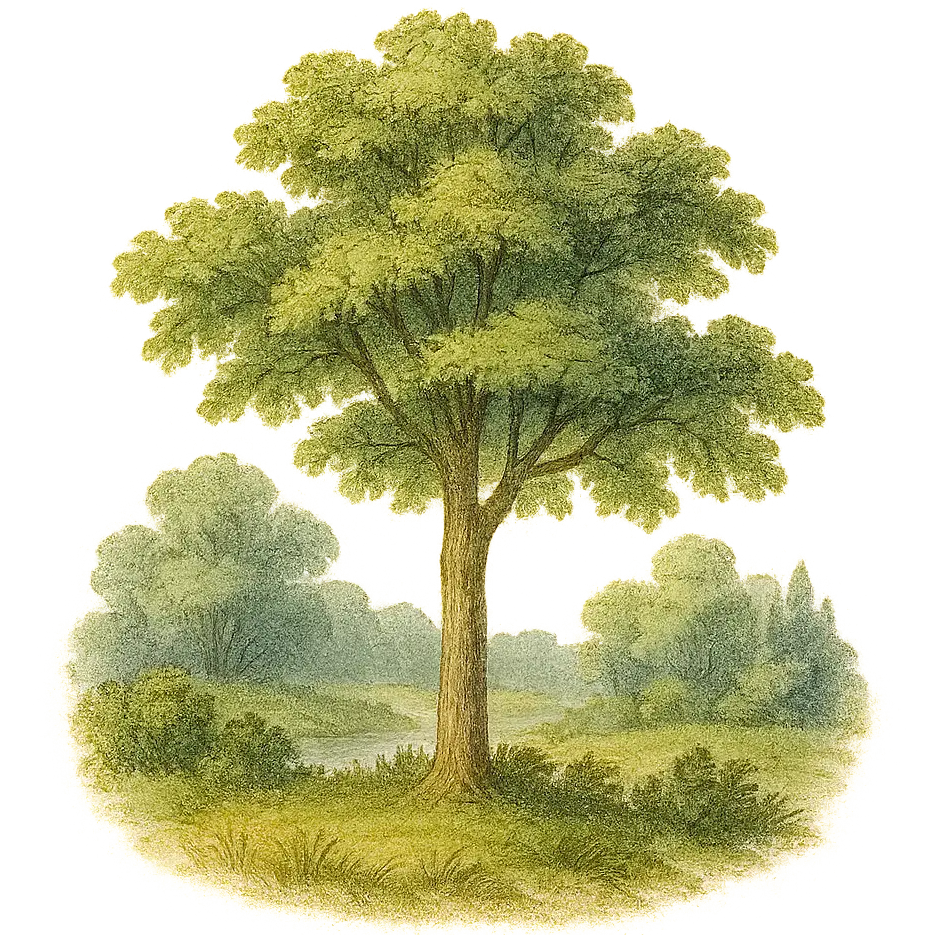
Barn Owls inhabits a wide variety of open landscapes such as grasslands, farmlands, marshes and the edges of woodlands. This species is often found near human settlements, nesting in barns, abandoned buildings, church towers and hollow trees. Barn Owls prefer lowland areas with abundant prey but can also adapt to arid regions, tropical forests and coastal plains.
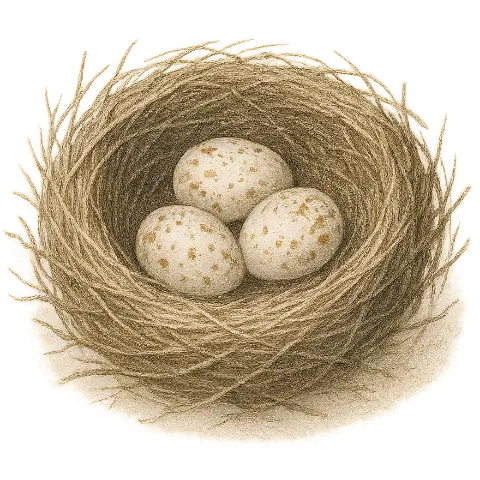
Nest: Barn Owls are monogamous and often stay with the same mate for many years. They do not build a typical nest. Instead, they lay their eggs directly in natural cavities, barns, deserted buildings or nest boxes. These places offer shelter and protection from predators.
Clutch Size: 4 to 7 white eggs. The female incubates the eggs for about 30 to 34 days while the male hunts and brings food. Chicks hatch at different times because the eggs are laid over several days. Both parents feed and care for the young. The chicks usually fledge or leave the nest at around 7 to 8 weeks and become independent shortly after.