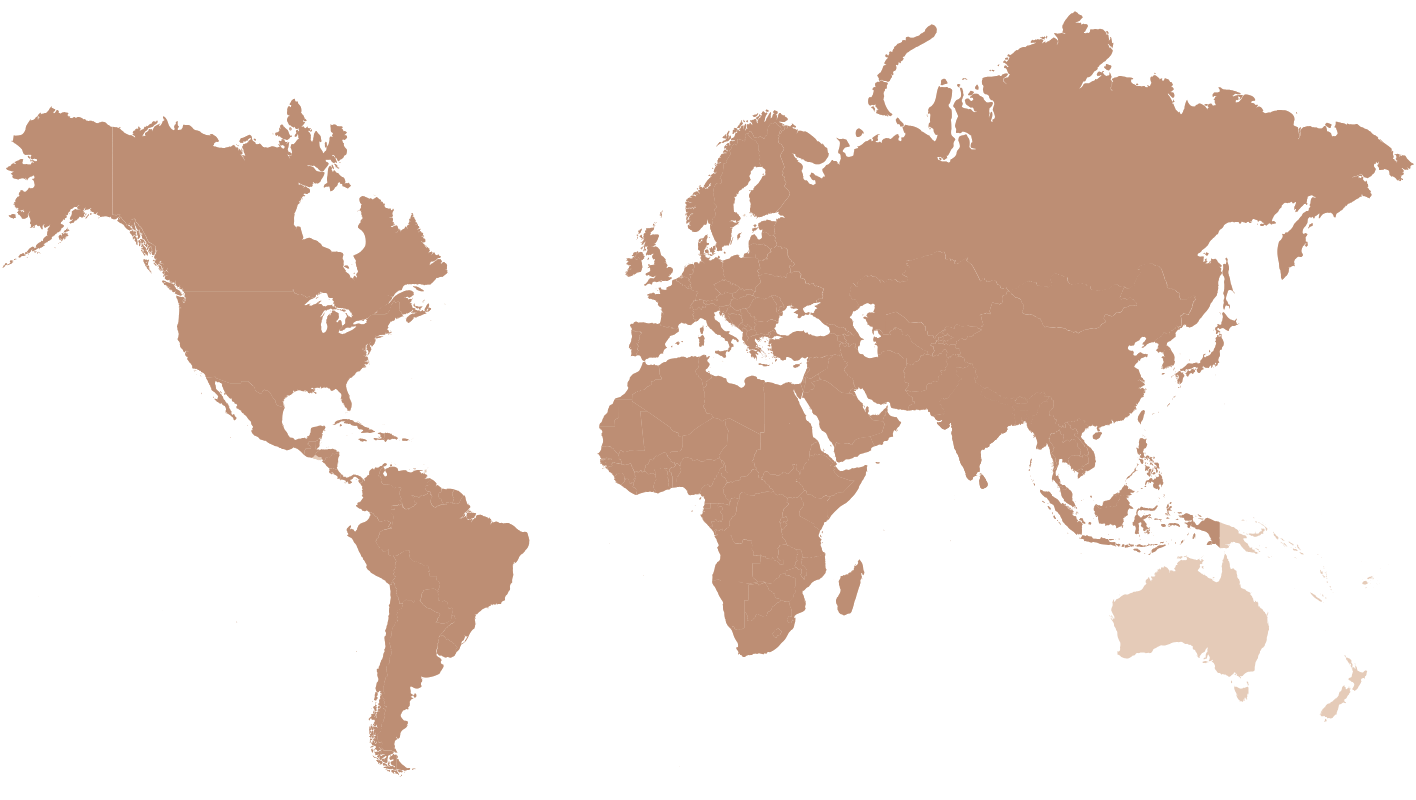
IUCN RED LIST
Established in 1964, The IUCN Red List is a critical indicator of the health of the world’s biodiversity. Species are classified by the IUCN Red List into nine groups, through criteria such as rate of decline, population size and area of geographic distribution as:
- Extinct (EX) – This species is no longer extant
- Extinct in the wild (EW) – Survives only in captivity, or through cultivation often outside native range
- Critically endangered (CR) – In an extremely critical state
- Endangered (EN) – Very high risk of extinction in the wild
- Vulnerable (VU) – At high risk of unnatural (human-caused) extinction
- Near Threatened (NT) – Close to being endangered in the near future
- Least Concern (LC) – Widespread and abundant in the wild
- Data Deficient (DD) – Inadequate information to assess extinction risk
- Not Evaluated (NE) – Has not yet been assessed




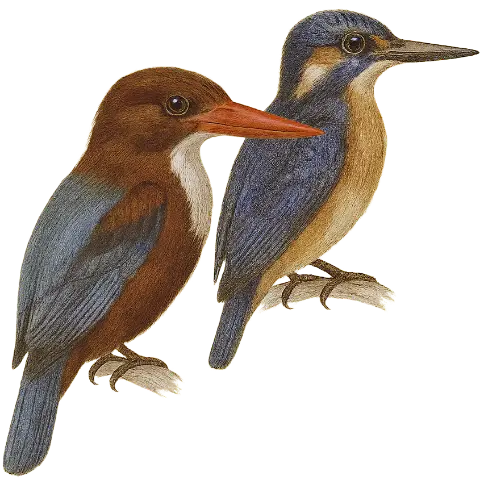




Black Crowned Night Herons are elegant birds with bold contrasts in their colours. Adults have a glossy black crown and back, pale grey wings and white or light grey underparts. Their eyes are bright red and the short, thick bill is black. The legs and feet are yellowish-green, turning pinkish during the breeding season. Breeding adults also show two long, white plumes on the back of the head. Young birds or juveniles are brown with white streaks and do not gain the clean black-and-grey colours until they are about three years old. Males and females look alike.
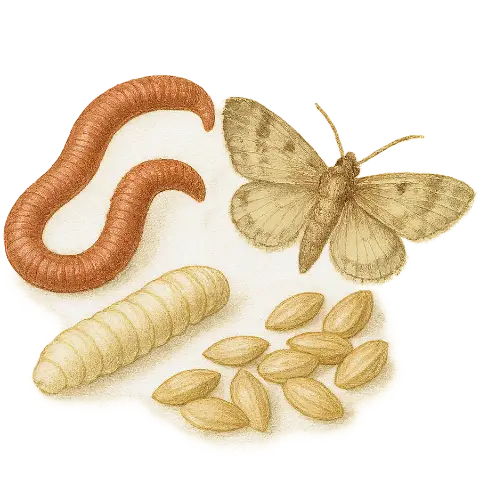
The Black Crowned Night Heron feeds mainly on fish, but its diet also includes frogs, crustaceans, aquatic insects, small mammals and occasionally small birds. It is primarily active during the evening, night and early morning, making it a nocturnal and crepuscular feeder. The heron typically stands still at the water's edge or wades slowly through shallow water, using a sit-and-wait strategy to ambush prey. When a suitable target comes close, it strikes quickly with its sharp bill. This slow and patient hunting approach helps conserve energy and makes it an efficient predator in low-light conditions. It may occasionally feed during the day in shaded spots or under cloudy skies.

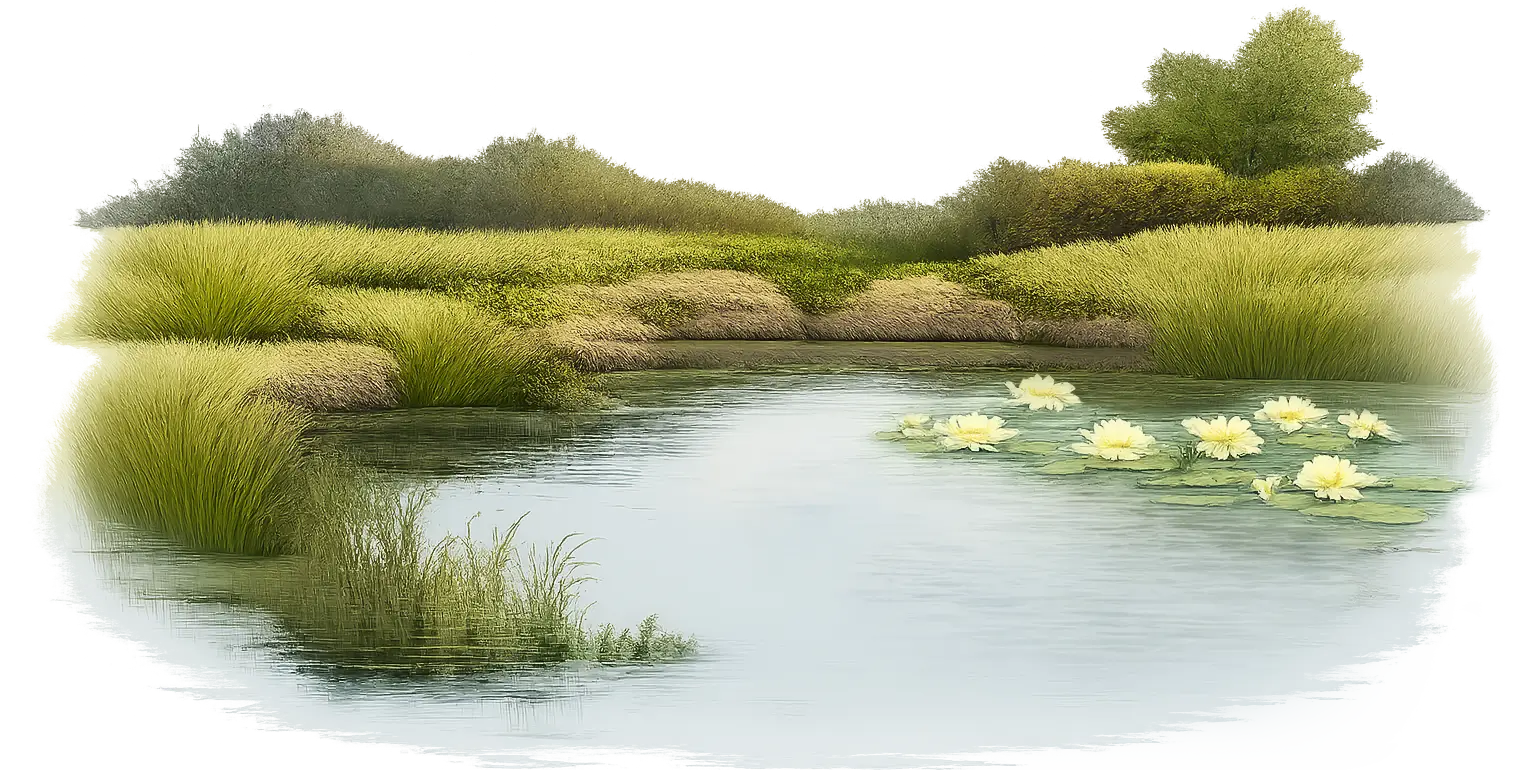
The Black Crowned Night Heron enjoys living in freshwater and coastal wetlands such as marshes, lakes, ponds, mangroves and riverbanks. It prefers shallow waters with dense vegetation for cover and roosting. These birds often inhabit urban wetlands and city parks, adapting well to human-altered environments.
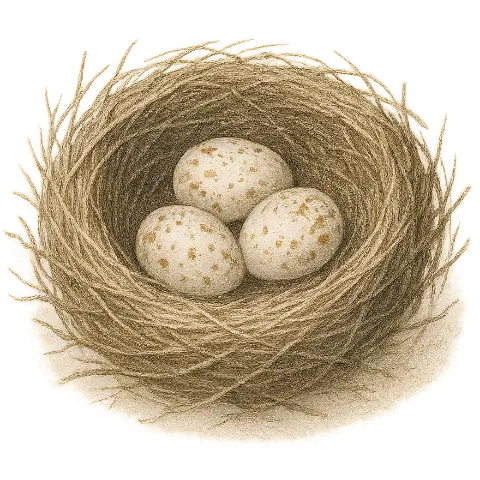
Nest: These herons breed in colonies, often nesting among various waterbird species. Both male and female build the nest using sticks and reeds. Nests are typically located in trees, shrubs or reed beds over water, providing safety and easy access to food.
Clutch Size: 3 to 5 pale blue-green eggs. Both parents share incubation duties for about 21 to 25 days. After hatching, the chicks are fed by regurgitation where partially digested food brought up in the parents' throat. The young birds fledge after about 6 to 7 weeks, though they may remain near the colony for a while before moving away.