IUCN RED LIST
Established in 1964, The IUCN Red List is a critical indicator of the health of the world’s biodiversity. Species are classified by the IUCN Red List into nine groups, through criteria such as rate of decline, population size and area of geographic distribution as:
- Extinct (EX) – This species is no longer extant
- Extinct in the wild (EW) – Survives only in captivity, or through cultivation often outside native range
- Critically endangered (CR) – In an extremely critical state
- Endangered (EN) – Very high risk of extinction in the wild
- Vulnerable (VU) – At high risk of unnatural (human-caused) extinction
- Near Threatened (NT) – Close to being endangered in the near future
- Least Concern (LC) – Widespread and abundant in the wild
- Data Deficient (DD) – Inadequate information to assess extinction risk
- Not Evaluated (NE) – Has not yet been assessed






Black Drongos are sleek birds that are completely glossy black, with a metallic blue shine when seen in sunlight. Their long, deeply forked tail, shaped like a fish's tail, is their most distinctive feature. The eyes are deep red, giving them a striking look. Young birds are duller, with more brownish feathers and less gloss compared to adults. Males and females appear the same.
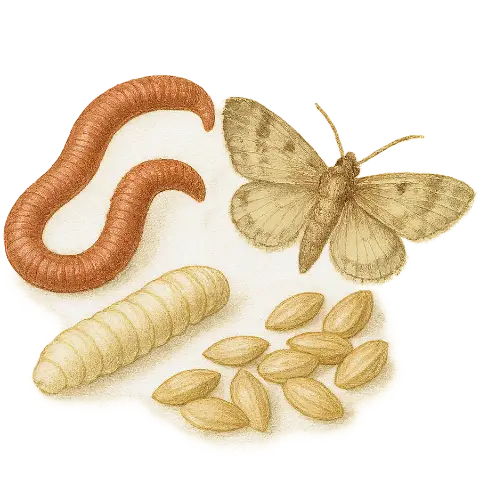
The Black Drongo feeds mainly on flying insects such as termites, beetles, bees and grasshoppers. It is an active and agile aerial hunter, often using a perch-and-swoop strategy, waiting on an exposed perch like a wire or branch and then darting out to catch insects mid-air. This hunting technique is known as hawking. It may also swoop to the ground to pick up prey or pursue insects disturbed by grazing animals or farm activity. Though mostly insectivorous, it can occasionally take small lizards, frogs and even bird chicks. Its bold acrobatic flights and alert behaviour make it a highly efficient predator in open fields and farmlands.

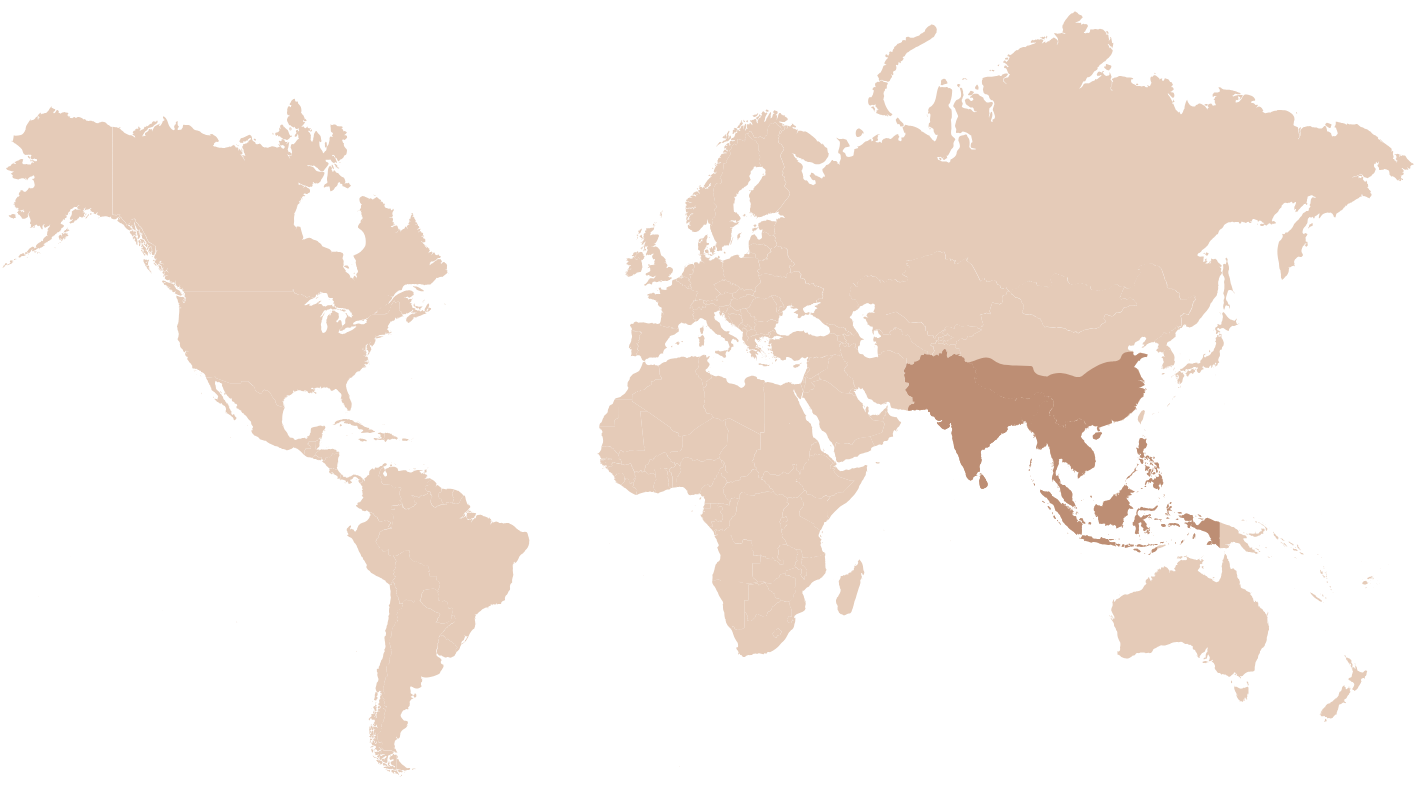
The Black Drongo thrives in open habitats such as farmlands, grasslands, savannas, forest edges and in urban areas. While it prefers lowland regions, the Black Drongo is also found up to an altitiude of 2,000 m in the Himalayas.
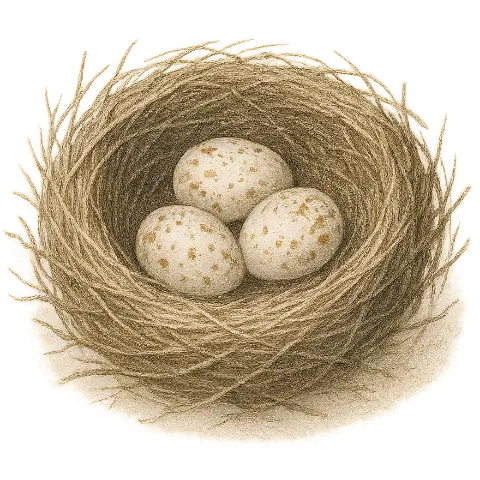
Nest: A small cup-shaped nest is made from grass, roots and twigs. It is usually positioned high on an exposed branch or sometimes on man-made structures like electric poles. The open location helps the birds spot threats early. Black Drongos are known for their bold behavior and will aggressively chase away predators or intruders from their nesting area.
Clutch Size: 2 to 4 eggs. Both parents share incubation duties and later feed and protect the chicks until they fledge.