IUCN RED LIST
Established in 1964, The IUCN Red List is a critical indicator of the health of the world’s biodiversity. Species are classified by the IUCN Red List into nine groups, through criteria such as rate of decline, population size and area of geographic distribution as:
- Extinct (EX) – This species is no longer extant
- Extinct in the wild (EW) – Survives only in captivity, or through cultivation often outside native range
- Critically endangered (CR) – In an extremely critical state
- Endangered (EN) – Very high risk of extinction in the wild
- Vulnerable (VU) – At high risk of unnatural (human-caused) extinction
- Near Threatened (NT) – Close to being endangered in the near future
- Least Concern (LC) – Widespread and abundant in the wild
- Data Deficient (DD) – Inadequate information to assess extinction risk
- Not Evaluated (NE) – Has not yet been assessed


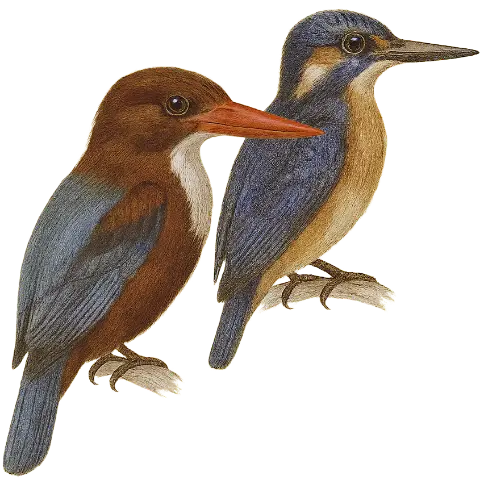


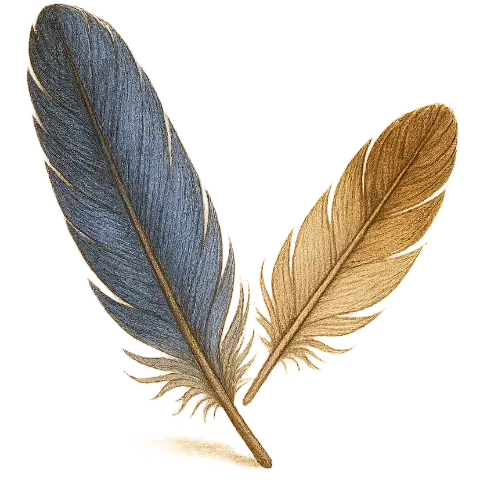
Brown Bush Warblers are small birds with olive-brown to warm brown, upper bodies and a smooth, plain look without strong markings. They have a pale buff or whitish supercilium oreyebrow line that contrasts softly with a darker eye-stripe. The throat and chest are whitish to pale grey, while the sides and vent are buff or slightly yellowish, a key feature linked to their name. The wings and tail are brown and the tail is often held upright. Males and females look alike and young birds or juveniles are a little warmer and more rufous in colour.
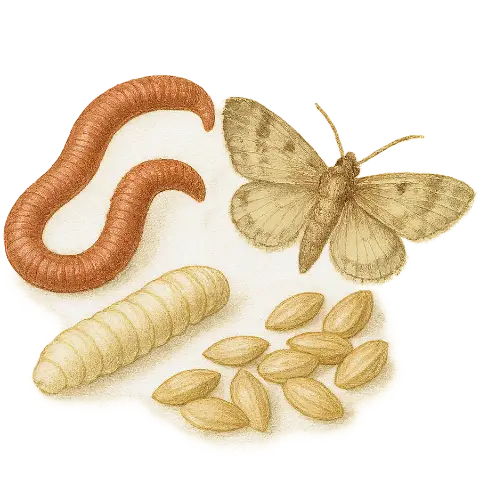
The Brown Bush Warbler feeds mainly on insects, spiders, small caterpillars and other tiny invertebrates. It is an active yet secretive ground forager, staying close to the ground within dense grasses, shrubs and thick undergrowth. The bird moves quietly and carefully, using short hops, tail flicks and quick pecks to locate prey hidden among leaves, stems and soil litter. Its fine, pointed bill is well-suited for gleaning and probing to capture small insects. Although it may occasionally make short flights to snatch flying insects, it rarely ventures into open spaces. During colder months, when insects are less plentiful, it may include small seeds and berries in its diet.
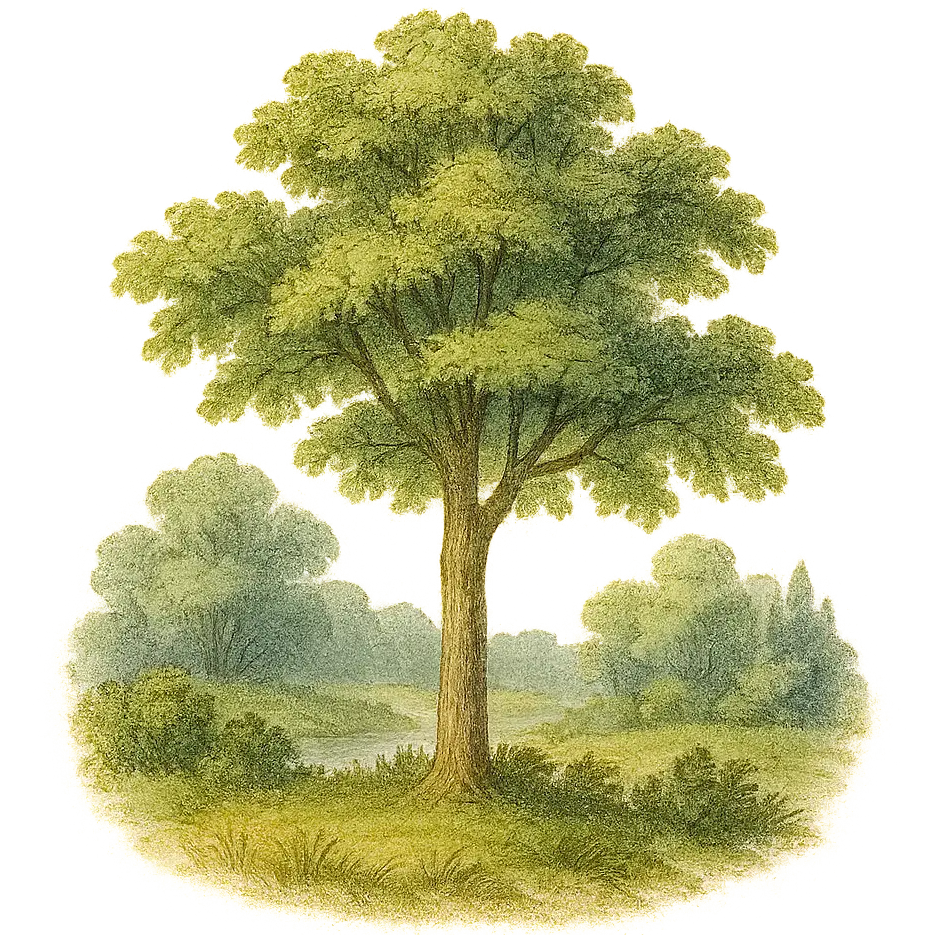
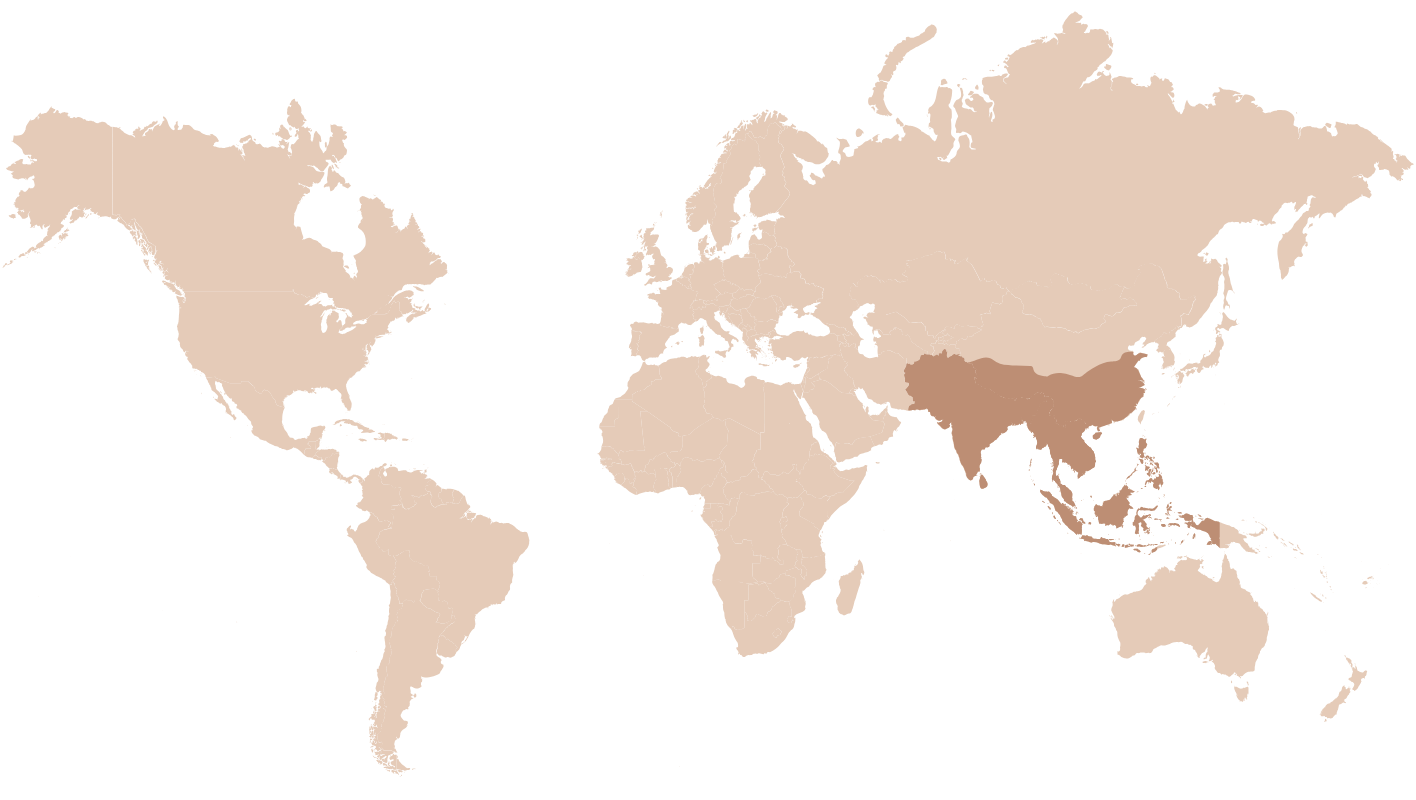
The Brown Bush Warbler lives in areas of dense undergrowth such as scrub, bamboo thickets, secondary forests, grasslands and at forest edges, in humid, mountainous regions preferrably near water sources. These areas provide it with sufficient cover for nesting. This bird breeds mainly in temperate and subtropical uplands between altitudes of 800 and 2,800 m and descends to lower elevations during winters.
Courtship Display: Males defend their territory with loud songs and visual displays to attract a mate and warn off rivals. The species is monogamous during the breeding season.
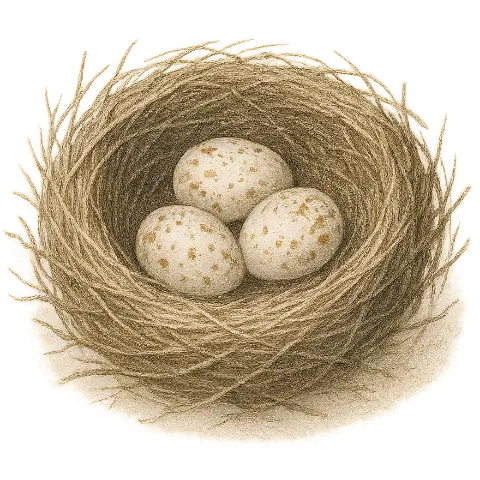
Nest: A domed nest is made of grass, leaves and moss, with a side entrance. It is placed very close to the ground and hidden inside thick undergrowth, tussocks or low shrubs. This low, well-concealed placement helps protect eggs and chicks from predators.
Clutch Size: 3 to 5 eggs that are creamy or pale pink with fine reddish spots. Both parents share incubation duties and later feed the chicks. The young usually fledge after about 10 to 12 days. Typically, only one brood is raised each season.