IUCN RED LIST
Established in 1964, The IUCN Red List is a critical indicator of the health of the world’s biodiversity. Species are classified by the IUCN Red List into nine groups, through criteria such as rate of decline, population size and area of geographic distribution as:
- Extinct (EX) – This species is no longer extant
- Extinct in the wild (EW) – Survives only in captivity, or through cultivation often outside native range
- Critically endangered (CR) – In an extremely critical state
- Endangered (EN) – Very high risk of extinction in the wild
- Vulnerable (VU) – At high risk of unnatural (human-caused) extinction
- Near Threatened (NT) – Close to being endangered in the near future
- Least Concern (LC) – Widespread and abundant in the wild
- Data Deficient (DD) – Inadequate information to assess extinction risk
- Not Evaluated (NE) – Has not yet been assessed







Common Ioras are bright little birds with noticeable seasonal colour changes. Breeding males are black on the upperparts with rich yellow underparts and clear white wingbars. Outside the breeding season, the male becomes greenish-yellow but the wings remain black with the same white wingbars. Females are greenish-yellow above and paler yellow below, helping them blend into foliage. Young birds look like females but are slightly duller.
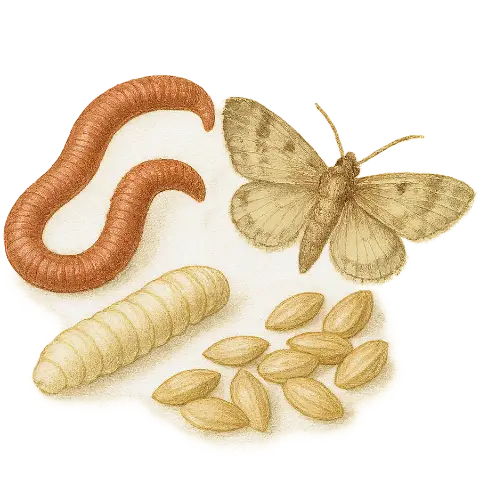
The Common Iora feeds mainly on insects such as caterpillars, beetles and ants. It is an active and acrobatic forager, moving through the middle and upper canopy in pairs or small groups. The bird frequently hops and flits between branches, sometimes hanging upside down to reach insects hidden on the underside of leaves. With sharp eyesight and quick reflexes, it also captures flying insects in short sallies from a perch. In addition to insects, it eats fruits and nectar, which become especially important during the breeding season as a source of extra energy.
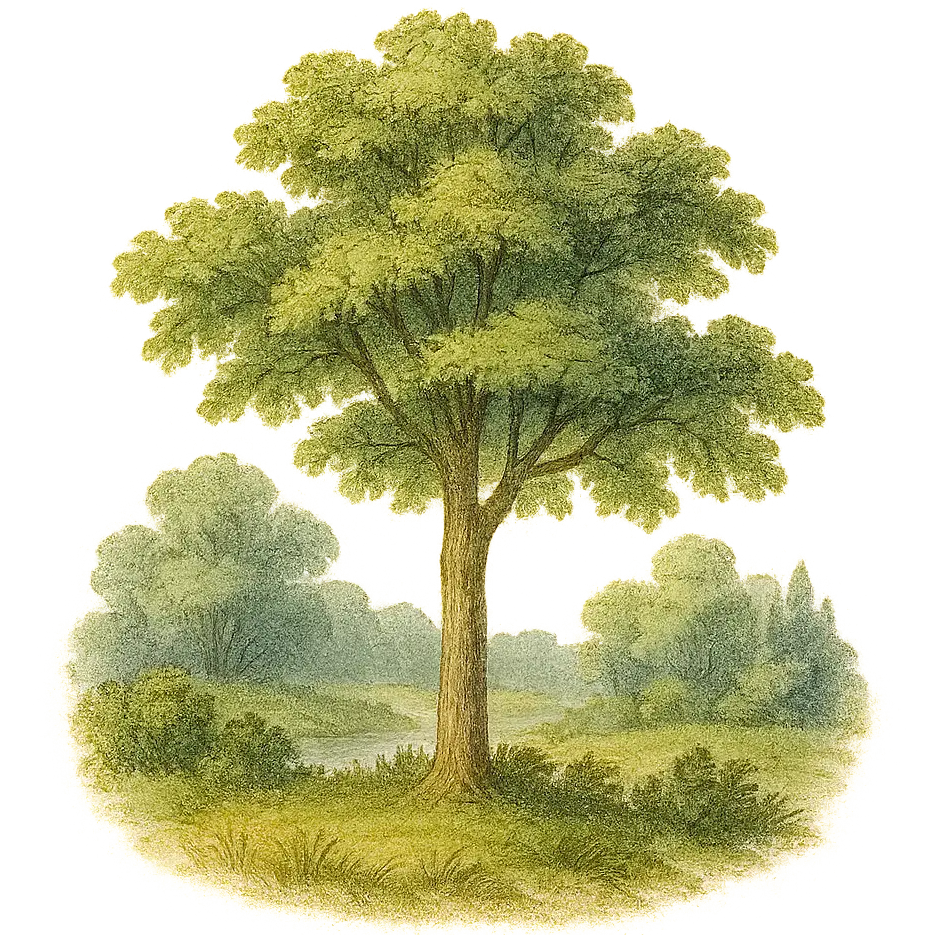
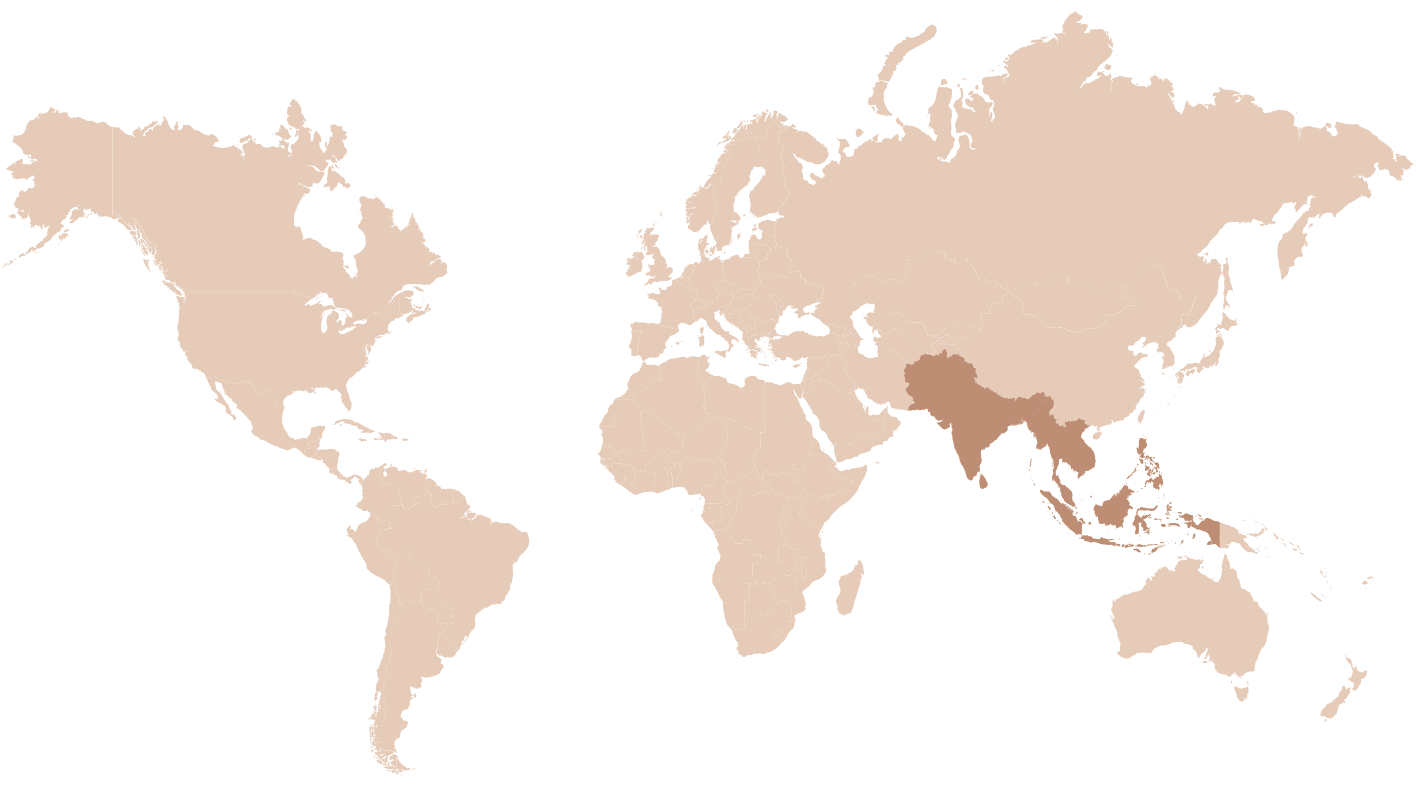
Common Iora enjoys tropical and subtropical habitats and is frequently seen in wooded areas, scrubland and cultivated lands.
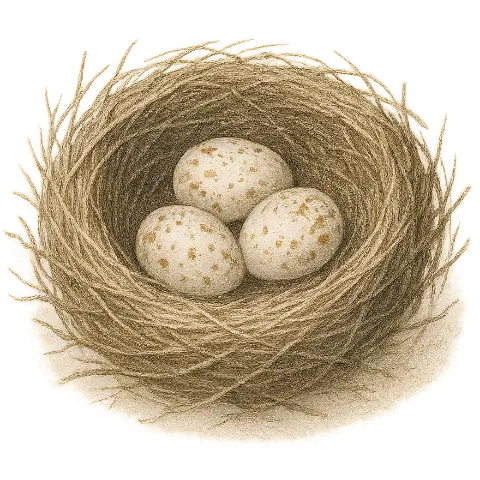
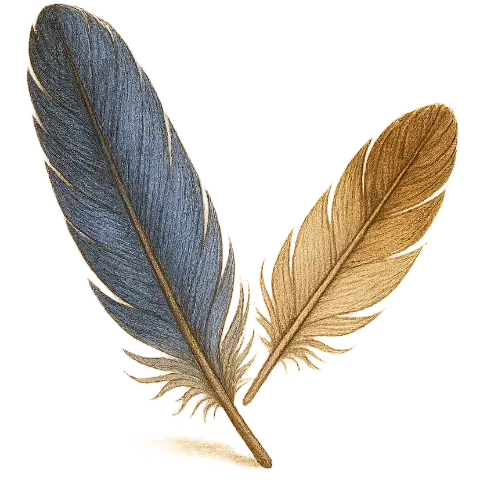
Courtship Display: Common Ioras are sexually dimorphic, meaning the males and females look different. In the breeding season, the male has a striking black cap and back, along with black wings and tail. To attract a mate, the male performs aerial acrobatics, shooting upward into the air and spiraling down while fluffing his feathers, especially the pale green rump feathers. These displays help impress the female and establish territory.