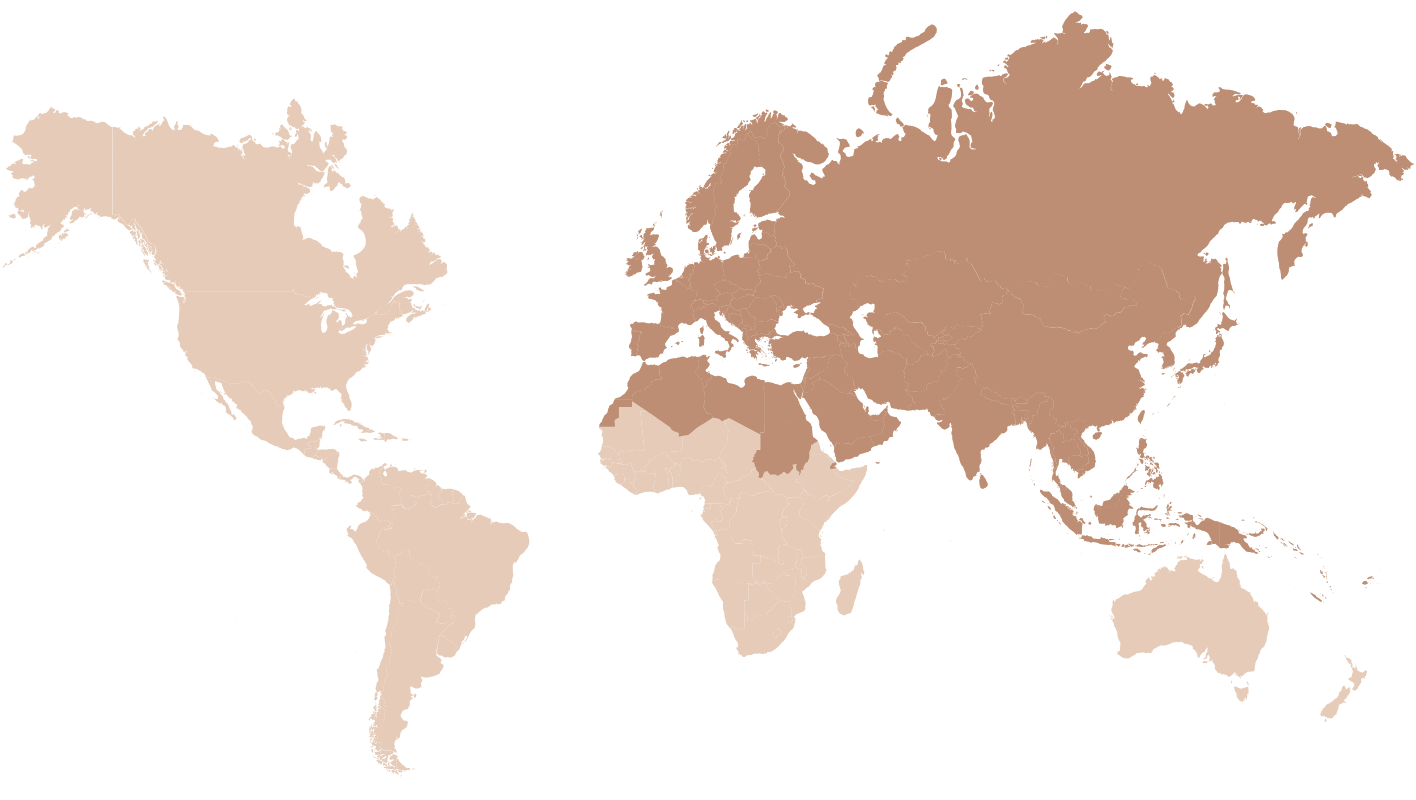
IUCN RED LIST
Established in 1964, The IUCN Red List is a critical indicator of the health of the world’s biodiversity. Species are classified by the IUCN Red List into nine groups, through criteria such as rate of decline, population size and area of geographic distribution as:
- Extinct (EX) – This species is no longer extant
- Extinct in the wild (EW) – Survives only in captivity, or through cultivation often outside native range
- Critically endangered (CR) – In an extremely critical state
- Endangered (EN) – Very high risk of extinction in the wild
- Vulnerable (VU) – At high risk of unnatural (human-caused) extinction
- Near Threatened (NT) – Close to being endangered in the near future
- Least Concern (LC) – Widespread and abundant in the wild
- Data Deficient (DD) – Inadequate information to assess extinction risk
- Not Evaluated (NE) – Has not yet been assessed





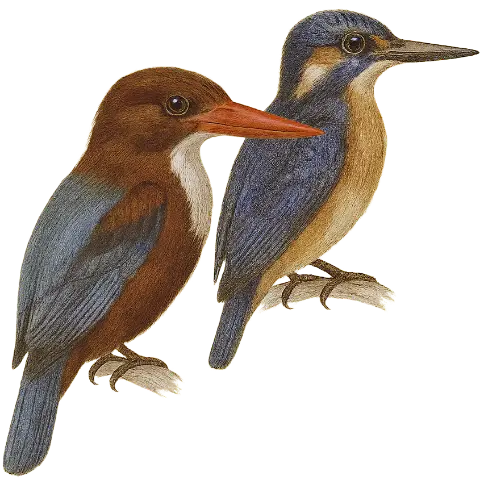




Common Kingfishers are small, brightly coloured birds. Their back and wings have vibrant blue-green feathers, while the underparts are a reddish-orange. Their long, sharp black bill is perfect for catching fish. A pale orange patch behind the eye and a white patch on the throat add contrast to the face. Males and females look similar.
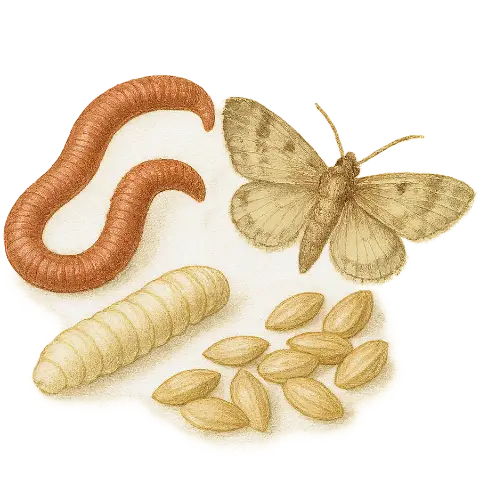
The Common Kingfisher is a skilled daytime hunter that feeds mainly on small fish. It typically watches from a low perch above clear, still or slow-moving water such as rivers, ponds or lakes. With excellent eyesight, it waits for small aquatic prey to come within range, then makes a rapid dive to snatch it using its long, pointed bill. After catching its prey which is usually held crosswise, the kingfisher returns to its perch to beat the fish against a branch or rock before swallowing it head-first. Along with fish, it may also eat aquatic insects, small crustaceans like prawns and small amphibians such as tadpoles.

The habitat of the Common Kingfisher consists of freshwater environments like streams, rivers, lakes and ponds with clear, slow-moving water and overhanging branches on which it can perch.
Courtship Display: Common Kingfishers are usually solitary, but during the breeding season males chase females while giving sharp, high calls. Males may also offer small fish as gifts.
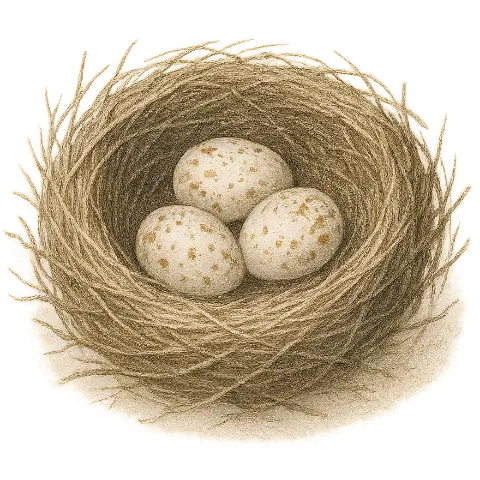
Nest: The pair digs a tunnel into steep soil or sand banks near water, such as riverbanks, lake edges or man-made embankments. At the end of the tunnel is a small chamber where the eggs are laid. Nesting close to water ensures quick access to food for the chicks.