IUCN RED LIST
Established in 1964, The IUCN Red List is a critical indicator of the health of the world’s biodiversity. Species are classified by the IUCN Red List into nine groups, through criteria such as rate of decline, population size and area of geographic distribution as:
- Extinct (EX) – This species is no longer extant
- Extinct in the wild (EW) – Survives only in captivity, or through cultivation often outside native range
- Critically endangered (CR) – In an extremely critical state
- Endangered (EN) – Very high risk of extinction in the wild
- Vulnerable (VU) – At high risk of unnatural (human-caused) extinction
- Near Threatened (NT) – Close to being endangered in the near future
- Least Concern (LC) – Widespread and abundant in the wild
- Data Deficient (DD) – Inadequate information to assess extinction risk
- Not Evaluated (NE) – Has not yet been assessed




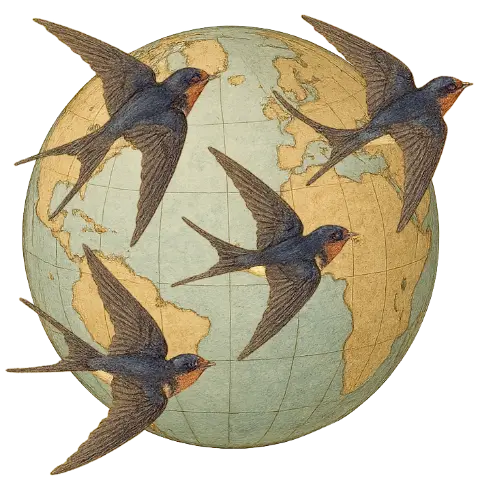

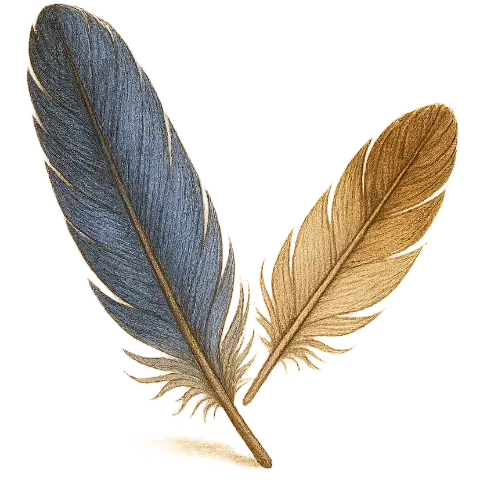
Common Swallows have a striking mix of colours. Their upperparts are glossy steel-blue, while the throat and forehead are rufous and the underparts are creamy-white. A long, deeply forked tail with small white spots on the outer feathers is one of their key features. Males usually have longer tail streamers and slightly brighter colours than females. Young birds are duller and have much shorter tails.
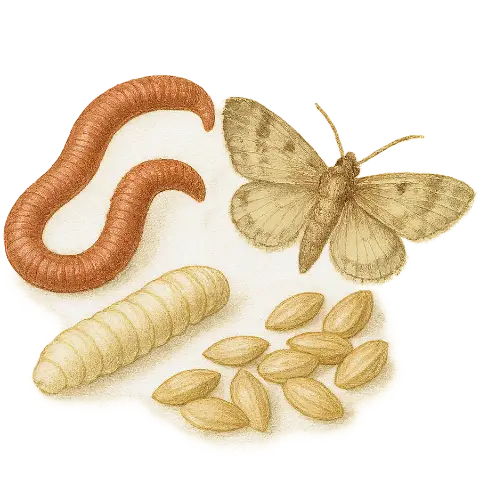
The Common Swallow is an aerial insect eater, spending much of its time in swift and graceful flight while catching insects on the wing. It feeds mainly on flying insects such as flies, beetles, mosquitoes and wasps. With its wide, gaping mouth, it skillfully snaps up prey mid-air, usually while flying low over fields, water bodies and other open areas. Feeding occurs throughout the day, especially during warm daylight hours when insects are most active. Swallows also drink on the wing by skimming across the surface of water and often follow livestock to catch insects stirred up from the ground.
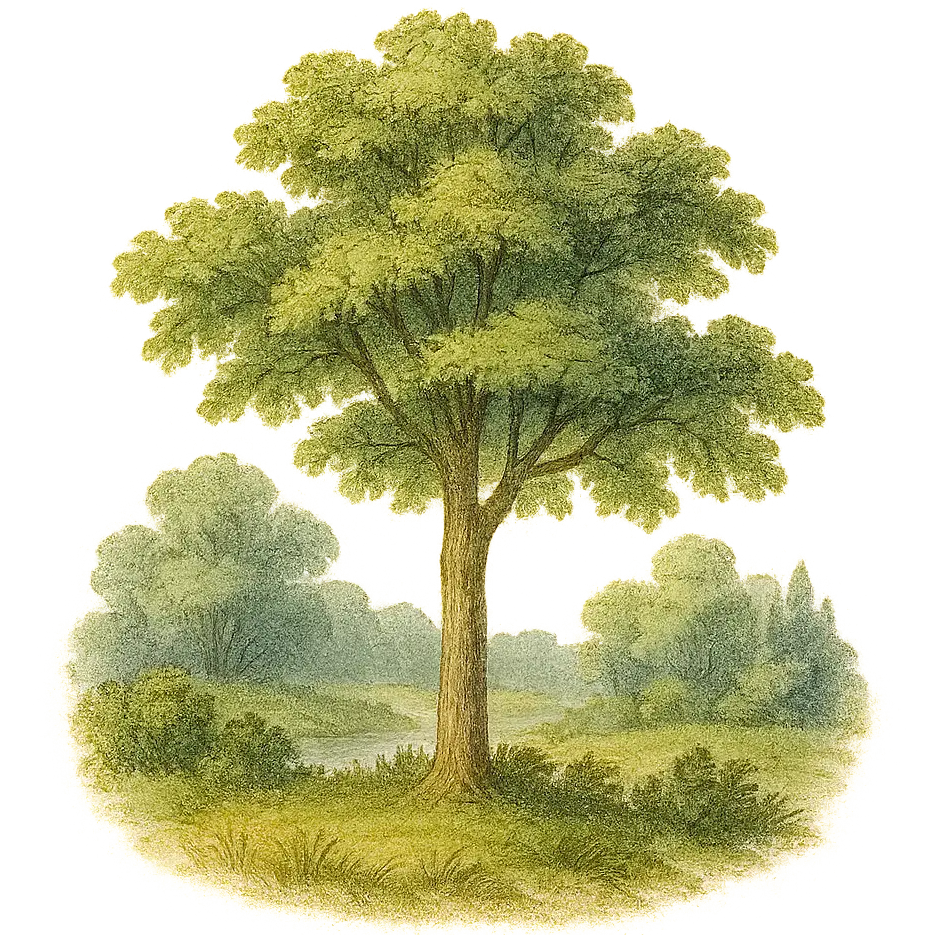
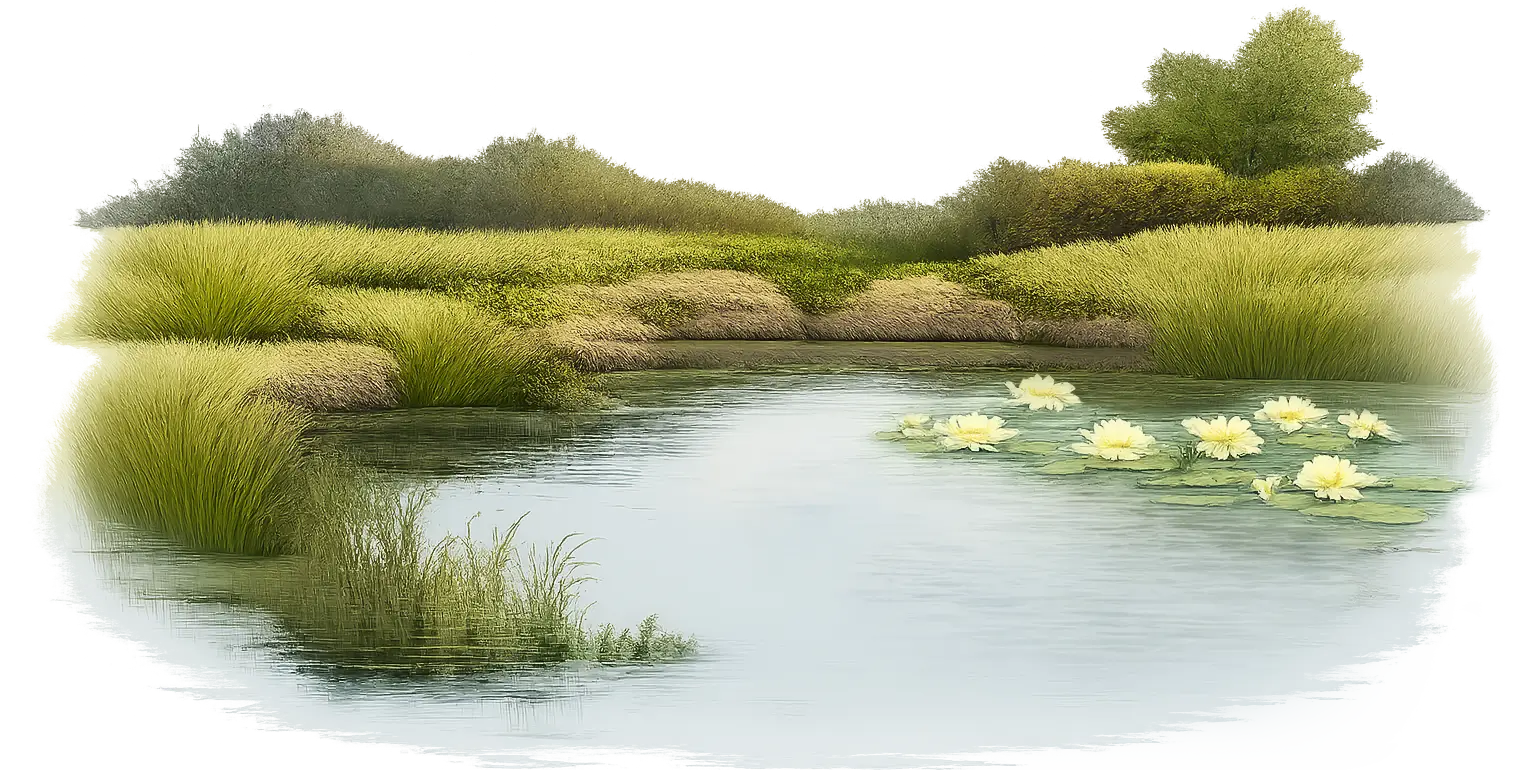
The Common Swallow lives in the open countryside, farmland, grasslands, wetlands and close to human settlements, nesting in barns, on bridges or other suitable structures. It thrives in areas with abundant flying insects and open skies for aerial hunting.
Courtship Display: The male performs impressive aerial displays, showing off his flying skills to attract the female. He may also offer food to her, which helps strengthen their pair bond.
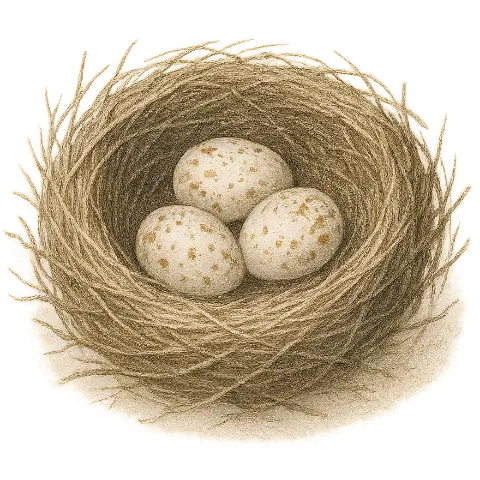
Nest: A cup-shaped nest is made of mud pellets mixed with grass. The nest is usually attached to walls, beams, bridges or other human-made structures. Barn Swallows prefer nesting with open areas nearby where they can easily catch flying insects.
Clutch Size: 3 to 7 eggs. Both parents share incubation and care giving duties.