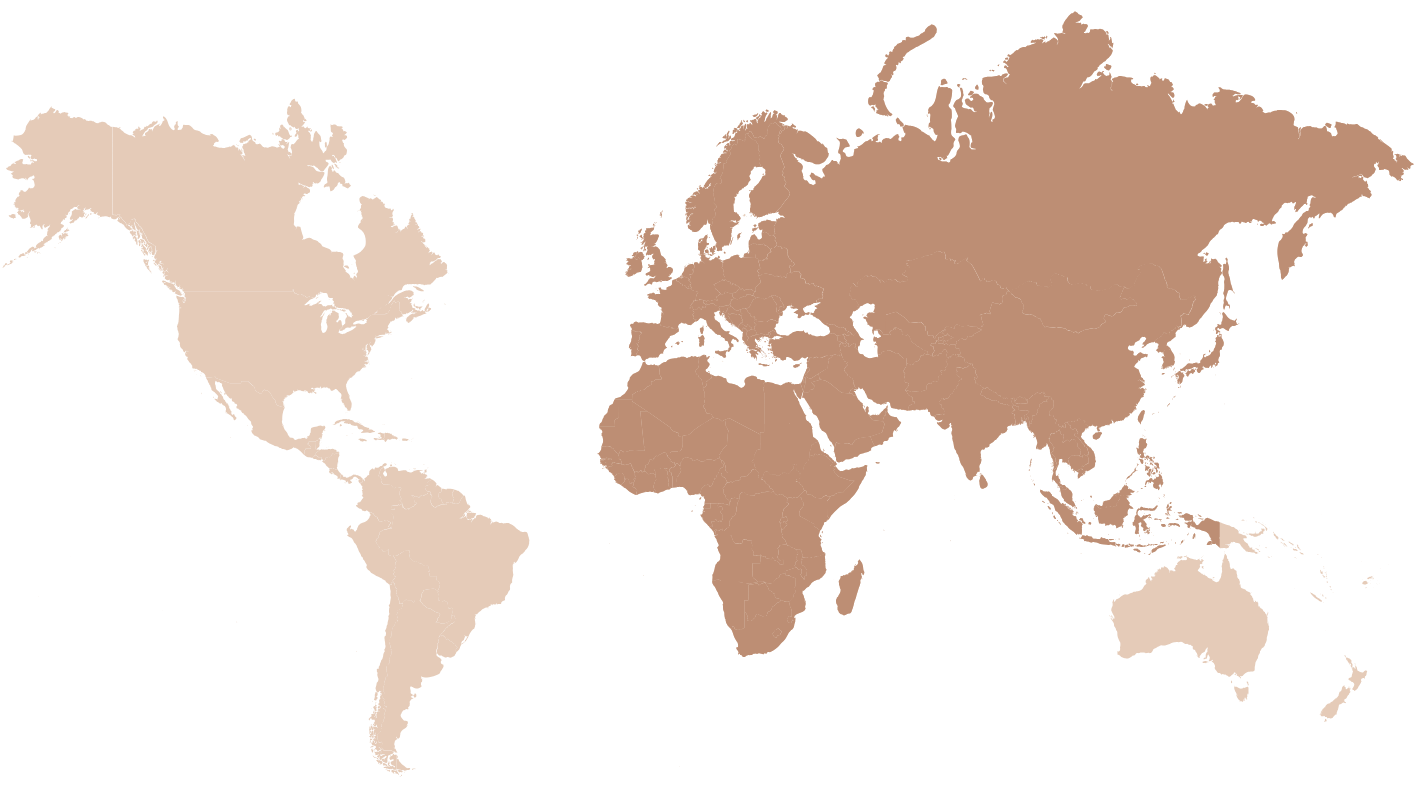
IUCN RED LIST
Established in 1964, The IUCN Red List is a critical indicator of the health of the world’s biodiversity. Species are classified by the IUCN Red List into nine groups, through criteria such as rate of decline, population size and area of geographic distribution as:
- Extinct (EX) – This species is no longer extant
- Extinct in the wild (EW) – Survives only in captivity, or through cultivation often outside native range
- Critically endangered (CR) – In an extremely critical state
- Endangered (EN) – Very high risk of extinction in the wild
- Vulnerable (VU) – At high risk of unnatural (human-caused) extinction
- Near Threatened (NT) – Close to being endangered in the near future
- Least Concern (LC) – Widespread and abundant in the wild
- Data Deficient (DD) – Inadequate information to assess extinction risk
- Not Evaluated (NE) – Has not yet been assessed




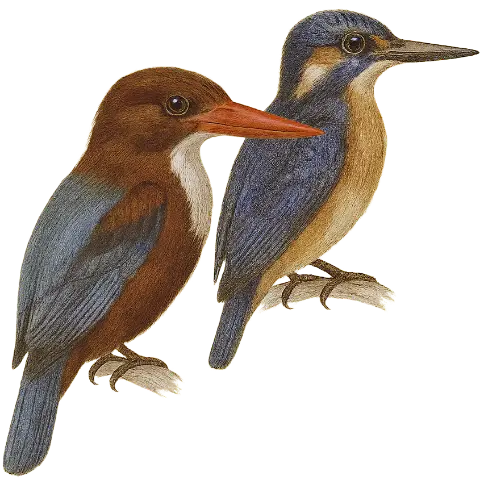




Common Swifts are mostly sooty-brown to blackish in colour, often looking almost completely black while flying. They have a small pale patch on the throat and a silky sheen on the feathers in sunlight. Males and females look the same and young birds resemble adults but with slightly paler and fresher feather edges. Their streamlined body, long curved wings and forked tail help them stay in the air for long periods with very little effort.
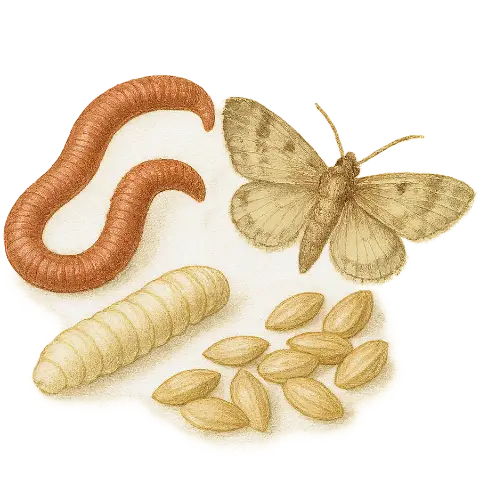
The Common Swift feeds exclusively on flying insects and tiny airborne spiders known as aerial plankton. Its diet includes flies, aphids, beetles and small moths. It spends nearly its entire life in the air, catching prey mid-flight using its broad, wide-gaping mouth and exceptional agility. Swifts often feed in flocks, gliding and darting at different heights depending on insect availability and weather conditions. They are most active during daylight hours, especially in the morning and late afternoon when insects are abundant. While flying, they can drink and even skim water surfaces to bathe. By consuming large numbers of insects each day, Common Swifts help naturally control insect populations.

The Common Swift prefers habitats that provide abundant flying insects for food and suitable vertical structures for nesting, be it buildings, cliffs and other tall structures like towers or spiresor mountainous areas, coastal cliffs and tall trees. While migrating to warmer climates this bird can be seen flying over open countrysides, wetlands, forests and urban areas, often at considerable altitudes.
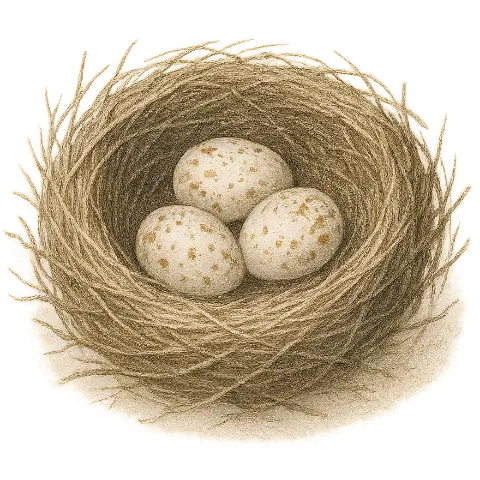
Nest: Common Swifts are monogamous, mating for life and often return to the same nesting spot each year. They nest inside cavities or small openings in buildings, cliffs and sometimes trees. The nest is a small, lightweight structure made of feathers, bits of plants and tiny pieces of debris collected while flying. These materials are glued together with the bird's saliva.
Clutch Size: 2 to 3 white eggs. Both parents take turns incubating the eggs for about 19 to 21 days. The chicks are fed with balls of insects collected in the parents' throats (called boluses). Depending on weather and how much food is available, the young fledge anywhere between 37 and 56 days.