IUCN RED LIST
Established in 1964, The IUCN Red List is a critical indicator of the health of the world’s biodiversity. Species are classified by the IUCN Red List into nine groups, through criteria such as rate of decline, population size and area of geographic distribution as:
- Extinct (EX) – This species is no longer extant
- Extinct in the wild (EW) – Survives only in captivity, or through cultivation often outside native range
- Critically endangered (CR) – In an extremely critical state
- Endangered (EN) – Very high risk of extinction in the wild
- Vulnerable (VU) – At high risk of unnatural (human-caused) extinction
- Near Threatened (NT) – Close to being endangered in the near future
- Least Concern (LC) – Widespread and abundant in the wild
- Data Deficient (DD) – Inadequate information to assess extinction risk
- Not Evaluated (NE) – Has not yet been assessed



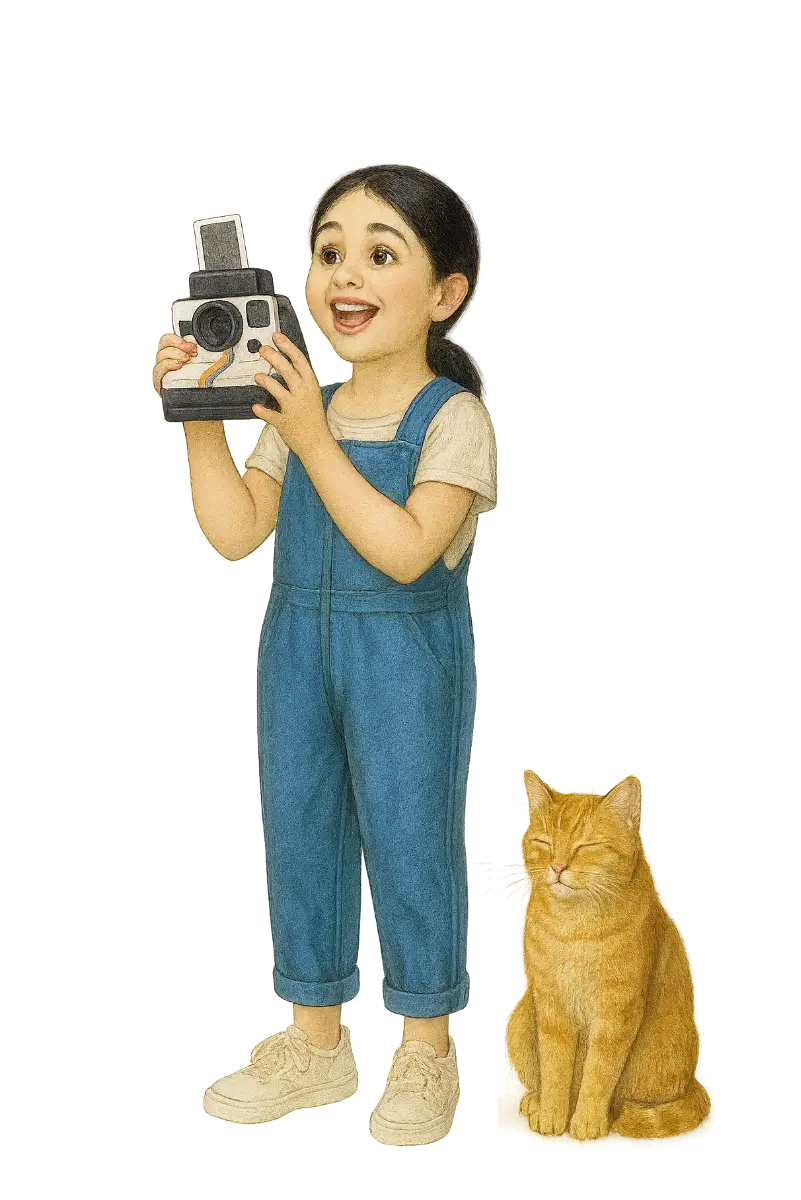

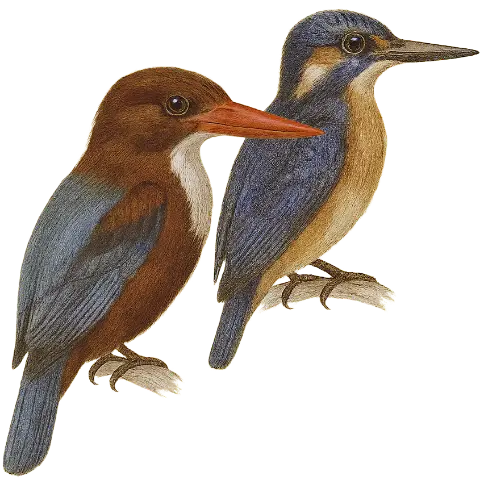




Common Tailor birds are small, active birds with bright greenish-olive upperparts that help them blend into foliage. The crown and back of the neck are rufous (chestnut-coloured), while the underparts are whitish to pale buff. The wings and tail are olive-brown and the tail is often held upright. They have a whitish throat and a slim body shape. During the breeding season, males show longer central tail feathers. Males and females look similar.
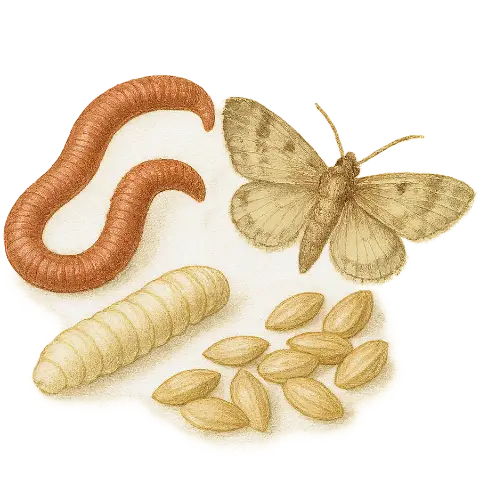
The Common Tailor bird feeds mainly on small insects such as ants, beetles, caterpillars and flies, along with spiders and larvae. It is an active and agile forager, constantly flitting through shrubs, hedges and low branches while searching for prey. Using its slender, slightly curved bill, it picks insects from leaves, bark and flowers and may probe flower heads for nectar or hidden invertebrates. It forages alone or in pairs, moving quickly and calling sharply as it hunts. Short aerial sallies are sometimes used to catch insects in mid-air. Though primarily insectivorous, it may occasionally eat small fruits and nectar.

The Common Tailor bird has a variety of habitats such as gardens, scrublands, open forests, hedgerows, farmlands and urban parks in tropical and subtropical regions. It preferes regions of dense undergrowth and bushy vegetation for nesting and feeding and has adapted remarkably well to human presence in both rural and urban settings.
Courtship Display: The male sings loudly and moves actively around the female to attract her attention and form a pair bond.
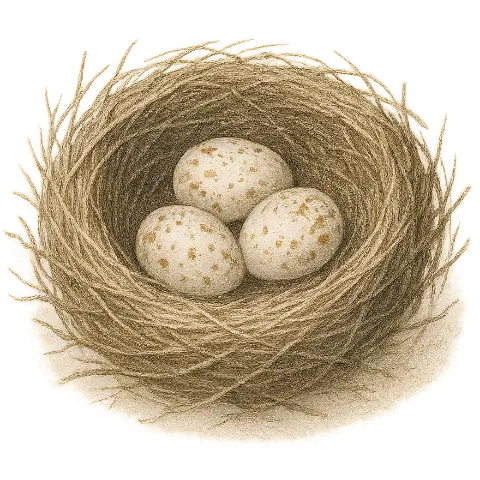
Nest: A distinctive sewn leaf nest is made. The pair selects large leaves and the female uses plant fibers or spider silk to stitch the edges together, creating a pouch or cradle that is lined on the inside with soft materials. The nest is usually hidden in shrubs or small trees, making it difficult for predators to find.
Clutch Size: 3 to 5 white eggs with reddish spots. The female mainly incubates the eggs and once the chicks hatch, both parents feed them insects and caterpillars. The young usually fledge in about two weeks.