IUCN RED LIST
Established in 1964, The IUCN Red List is a critical indicator of the health of the world’s biodiversity. Species are classified by the IUCN Red List into nine groups, through criteria such as rate of decline, population size and area of geographic distribution as:
- Extinct (EX) – This species is no longer extant
- Extinct in the wild (EW) – Survives only in captivity, or through cultivation often outside native range
- Critically endangered (CR) – In an extremely critical state
- Endangered (EN) – Very high risk of extinction in the wild
- Vulnerable (VU) – At high risk of unnatural (human-caused) extinction
- Near Threatened (NT) – Close to being endangered in the near future
- Least Concern (LC) – Widespread and abundant in the wild
- Data Deficient (DD) – Inadequate information to assess extinction risk
- Not Evaluated (NE) – Has not yet been assessed



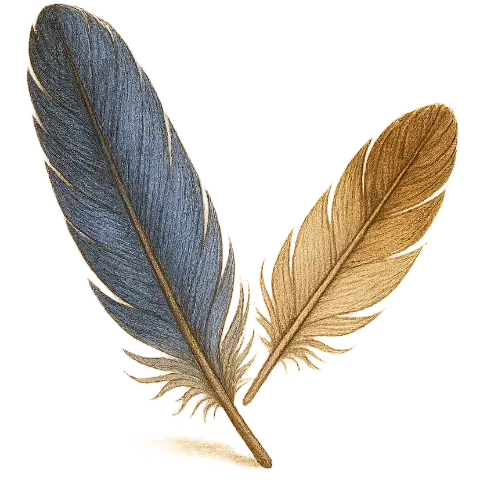
Coppersmith Barbets are bright and colourful birds. They have vivid green upperparts, a yellow throat and breast with red streaks and red patches on the forehead, crown and throat. A black stripe through the eye and a yellow eye-ring frame the face. Their bill is black and strong and the legs are reddish. Males and females look alike, while young birds are duller with softer and less distinct markings.
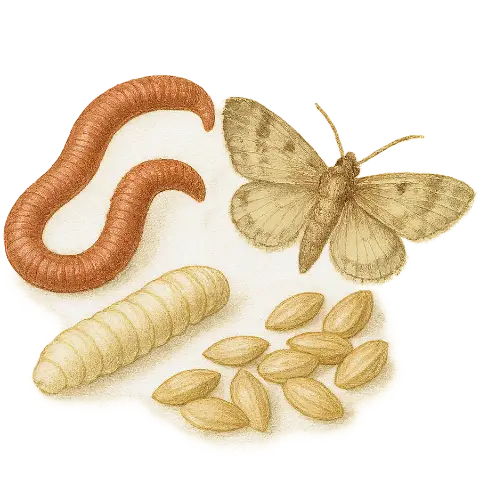
The Coppersmith Barbet is primarily a fruit-eating species, feeding on figs, guavas, berries and other soft fruits. It forages actively in the tree canopy, plucking fruits directly from branches and pausing briefly between bites. Its strong bill helps it crush fruits easily. Though mostly frugivorous, it also consumes insects such as beetles and termites, especially during the breeding season. The bird usually feeds alone, in pairs or in small groups, particularly around fruiting trees and may also visit gardens and orchards. By swallowing fruits and dispersing their seeds, the Coppersmith Barbet plays an important role in the health and regeneration of its habitat.
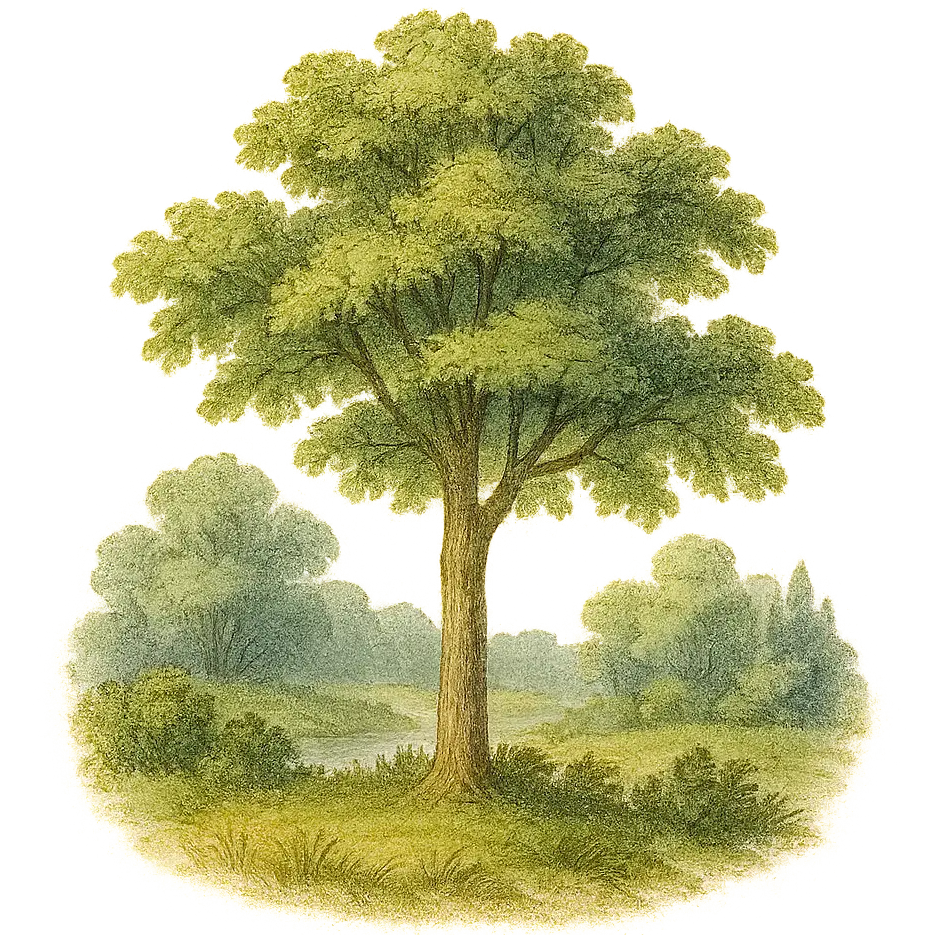
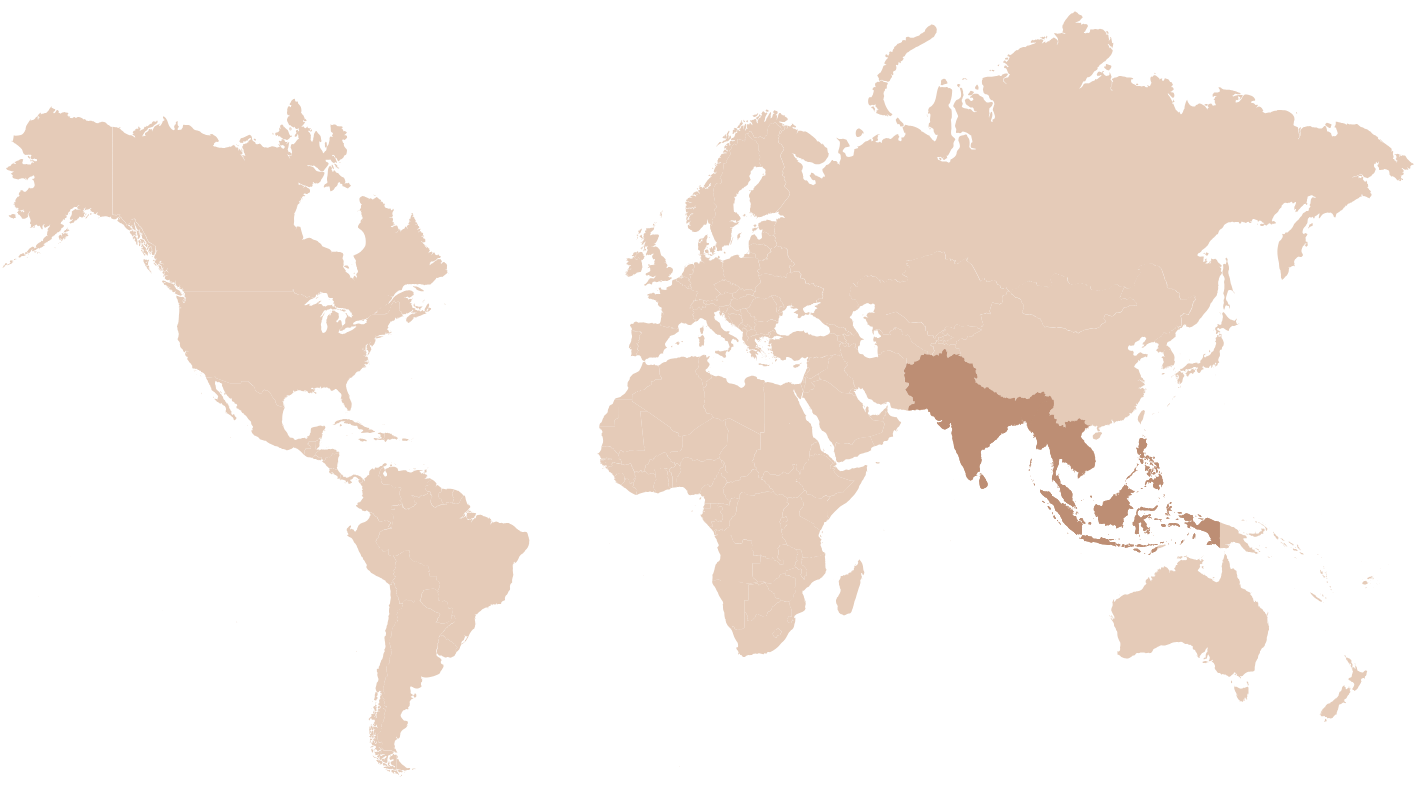
The Coppersmith Barbet enjoys living in open woodlands, urban gardens, parks or chards and at forest edges, often preferring areas with fruiting trees such as figs. It has adapted well to human-altered environments and can be seen in urban areas as well.
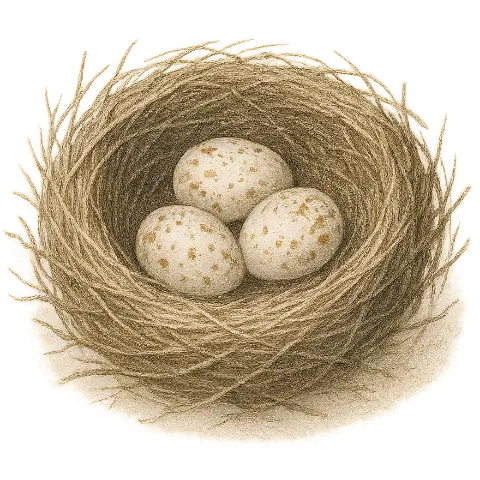
Nest: A cavity nest is made by digging into dead tree trunks or branches. Sometimes they use wooden structures near human areas. Both the male and female take turns chiseling the entrance and hollowing out the chamber inside.
Clutch Size: 2 to 4 eggs. Both parents share the duties of incubation and later feed the chicks. The young usually fledge in about 3 to 4 weeks. In good conditions, Coppersmith Barbets often raise more than one brood in a single season.