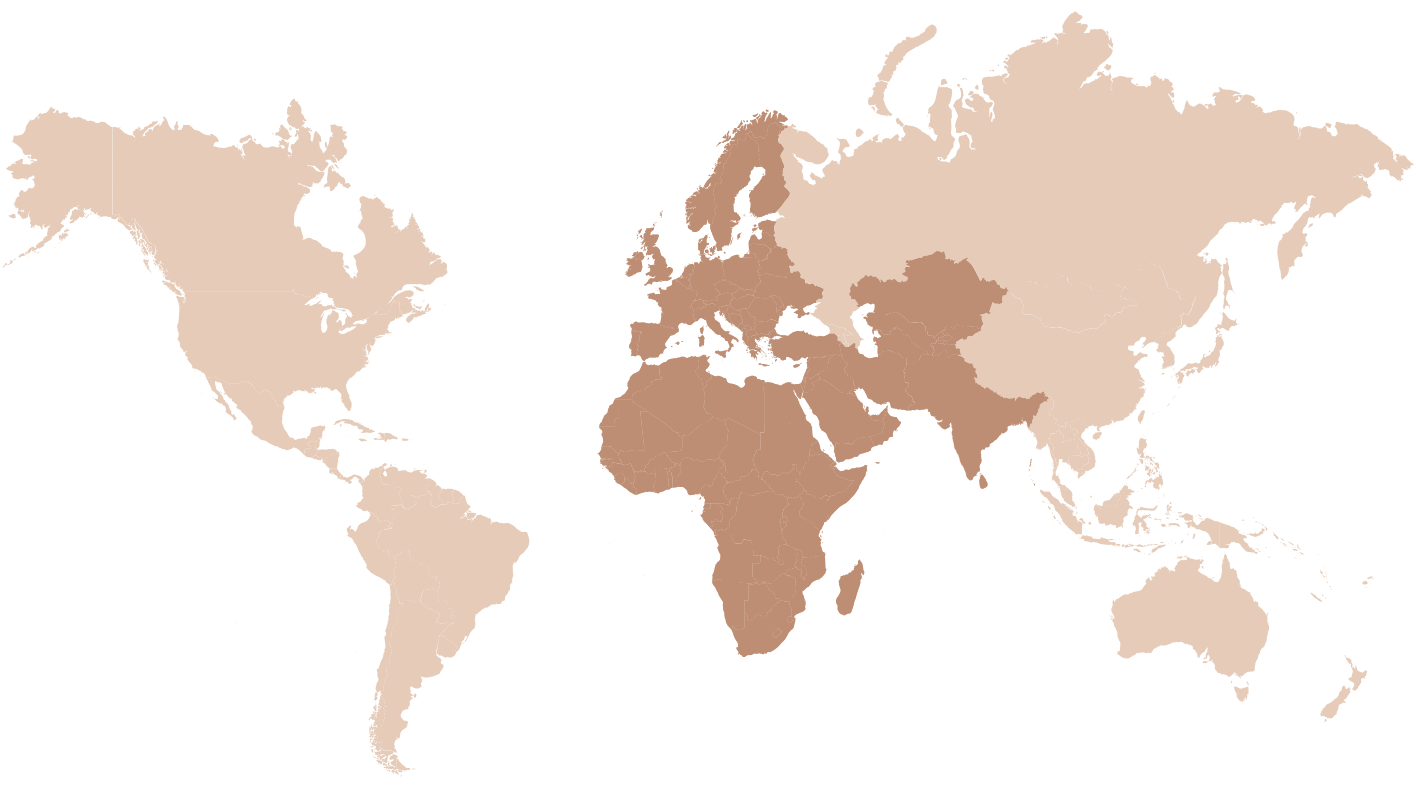
IUCN RED LIST
Established in 1964, The IUCN Red List is a critical indicator of the health of the world’s biodiversity. Species are classified by the IUCN Red List into nine groups, through criteria such as rate of decline, population size and area of geographic distribution as:
- Extinct (EX) – This species is no longer extant
- Extinct in the wild (EW) – Survives only in captivity, or through cultivation often outside native range
- Critically endangered (CR) – In an extremely critical state
- Endangered (EN) – Very high risk of extinction in the wild
- Vulnerable (VU) – At high risk of unnatural (human-caused) extinction
- Near Threatened (NT) – Close to being endangered in the near future
- Least Concern (LC) – Widespread and abundant in the wild
- Data Deficient (DD) – Inadequate information to assess extinction risk
- Not Evaluated (NE) – Has not yet been assessed





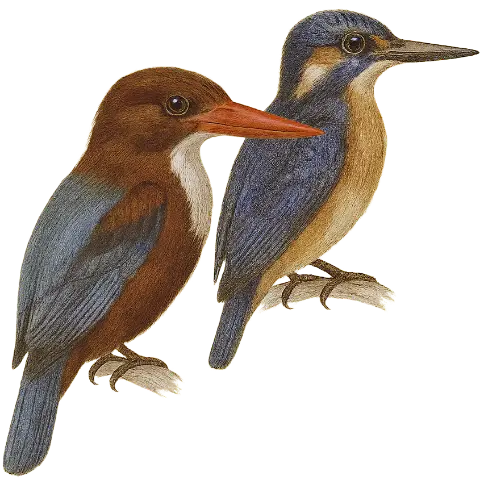




Eurasian Golden Orioles are brightly coloured birds. The male has vivid golden-yellow feathers on the head, body and underside, with black wings and tail and a pinkish-red bill. The female is greener on top and paler yellowish-white below, with faint streaks on the underside and darker wings. Young birds look like females but are duller and show stronger streaking on the belly.
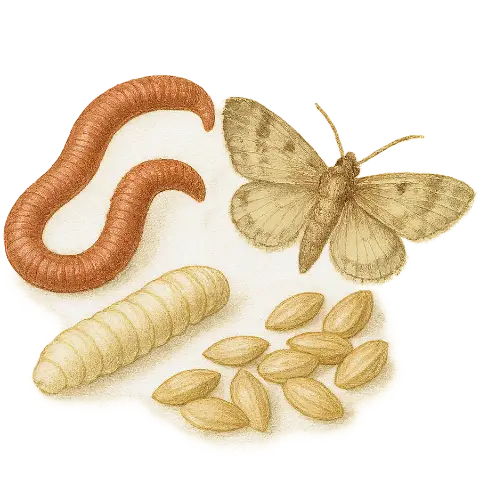
The Eurasian Golden Oriole feeds on a mix of insects and fruit. It consumes insects, such as caterpillars, beetles and grasshoppers and hunts among tree canopies, picking prey from leaves or catching them mid-air. It also eats fruits and berries, including mulberries, figs and cherries. During the breeding season, it relies heavily on protein-rich insects to feed its chicks. In its forest and woodland habitats, the Oriole often forages high in the canopy, moving carefully among foliage to find food. Its dual diet, insects for energy and fruits for nutrition, allows it to adapt to seasonal changes in food availability.
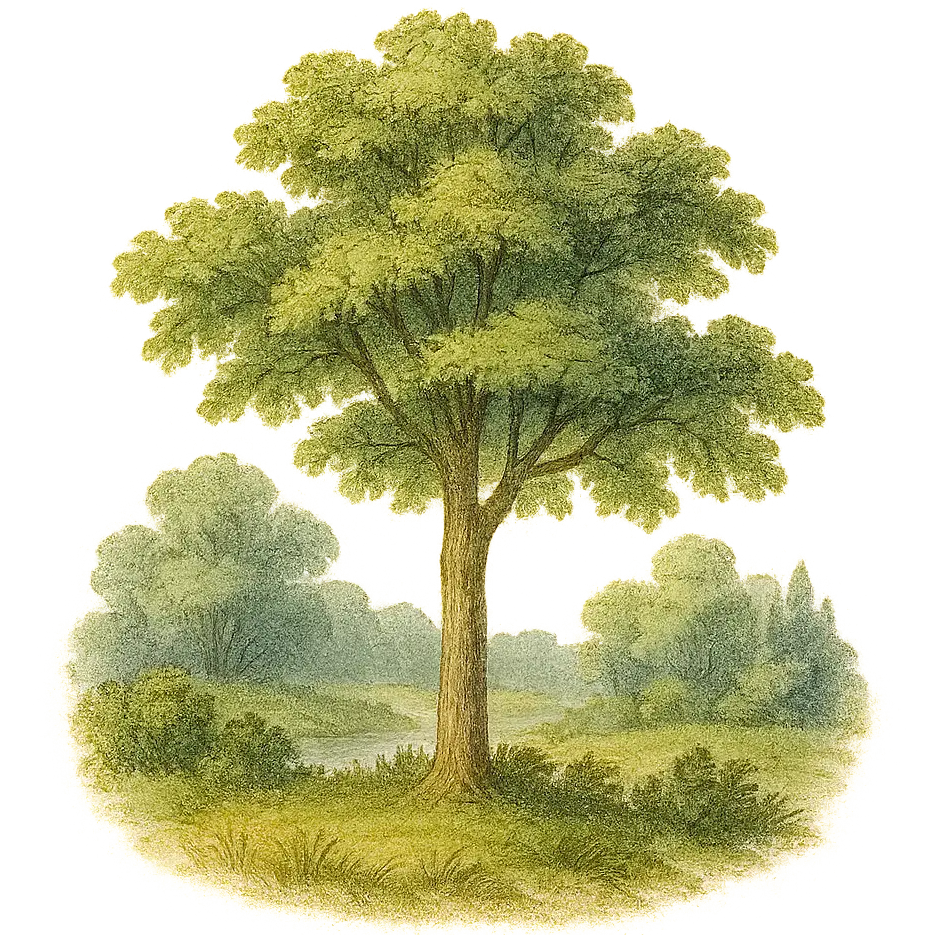
The Eurasian Golden Oriole has a preference for deciduous and mixed woodlands, riverine forests or chards, groves and well-wooded farmlands, often preferring tall trees with open canopies in temprate regions during the summer breeding season. Migrating to tropical climates, the Eurasian Golden Oriole can be found in savannas, plantations and gardens during the winter months.
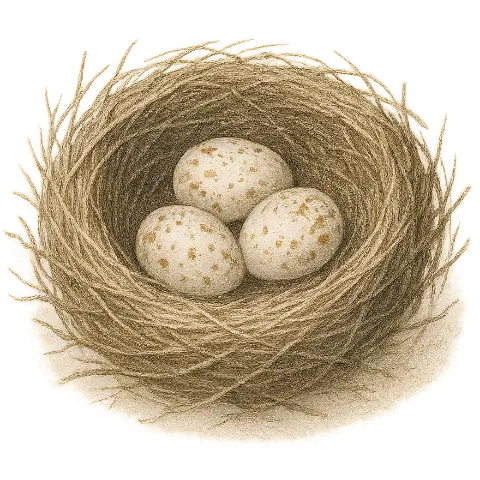
Nest: The nest is a deep, cup-shaped structure that hangs like a hammock between forked twigs high up in trees. It is made from fine grass, bark fibers and spider silk, which helps keep it strong and neatly bound. Both the male and female work together to build the nest in a well-hidden location among leaves.
Clutch Size: 3 to 5 pale eggs with dark spots. The female incubates the eggs for around two weeks. After hatching, both parents feed the chicks until they are ready to fledge, usually after 14 to 17 days. The male often sings near the nest.