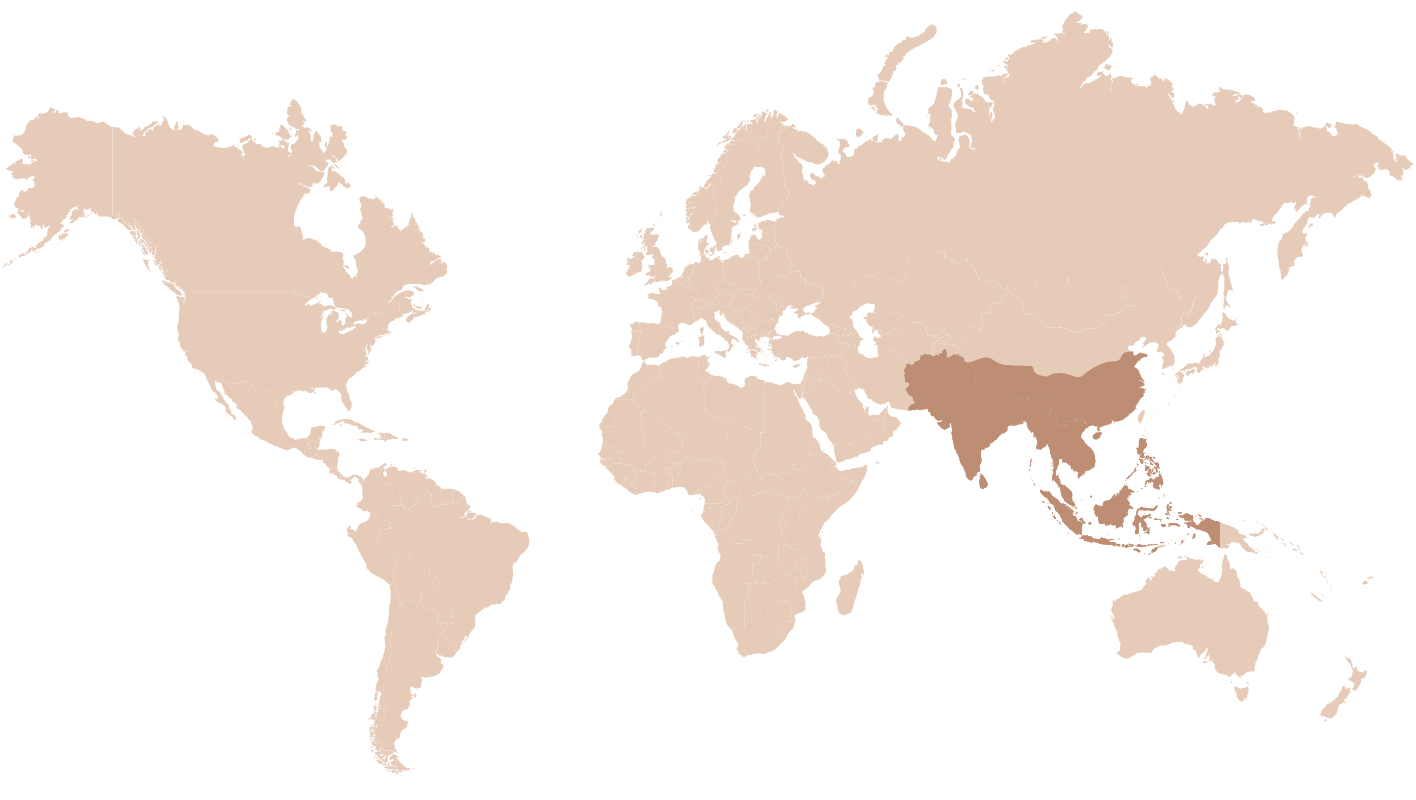
IUCN RED LIST
Established in 1964, The IUCN Red List is a critical indicator of the health of the world’s biodiversity. Species are classified by the IUCN Red List into nine groups, through criteria such as rate of decline, population size and area of geographic distribution as:
- Extinct (EX) – This species is no longer extant
- Extinct in the wild (EW) – Survives only in captivity, or through cultivation often outside native range
- Critically endangered (CR) – In an extremely critical state
- Endangered (EN) – Very high risk of extinction in the wild
- Vulnerable (VU) – At high risk of unnatural (human-caused) extinction
- Near Threatened (NT) – Close to being endangered in the near future
- Least Concern (LC) – Widespread and abundant in the wild
- Data Deficient (DD) – Inadequate information to assess extinction risk
- Not Evaluated (NE) – Has not yet been assessed










Lesser Whistling Teals are medium-sized ducks. Their body is a rich chestnut-brown, with darker wings and a paler underside. The crown and back of the neck are dark brown, while the face and throat are lighter with a wram buff shade. Their bright golden-yellow eyes stand out against the darker head. In flight, they show broad rounded wings and a noticeable chestnut patch on the upper back. Males and females look the same, though males may be slightly bigger.
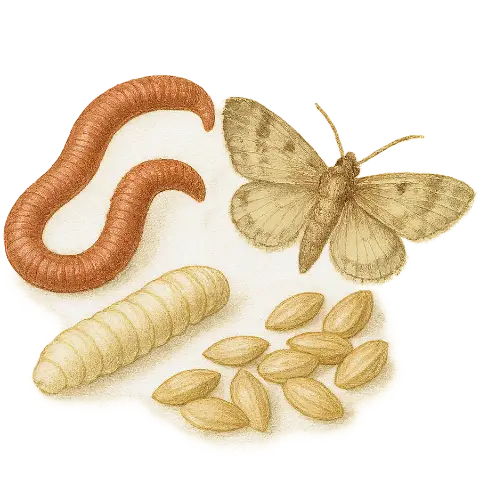
The Lesser Whistling Teal feeds on a mix of aquatic plants, seeds, grains and small invertebrates such as snails, worms and insects. It is mainly a nocturnal feeder, most active during the evening, night and early morning. The bird typically feeds by dabbling or up-ending in shallow water, filtering food from water and mud using its broad bill. It also forages in flooded paddy fields, marshy edges and occasionally grazes on tender shoots and grains on land. Feeding activity often peaks around dawn and dusk, when flocks move together to feeding areas. During the daytime, the species spends long hours resting or preening. Its feeding habits help manage insect pests in wetland and agricultural areas.

The Lesser Whistling Teal prefers freshwater wetlands such as lakes, marshes, flooded fields, ponds and slow-moving rivers with abundant aquatic vegetation as well as rice paddies and urban wetlands. It roosts in reed beds and trees near water, often in large flocks.
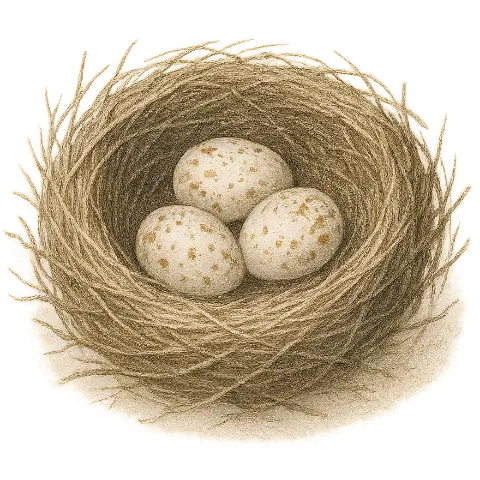
Nest: The nest is built near or over water, hidden in thick vegetation, using grass and other plant material by both parents. Sometimes tree hollows or old nests made by other birds are also used.
Clutch Size: 7 to 12 white eggs. Both parents take turns incubating the eggs for about 25 to 28 days. The ducklings are precocial, meaning they can swim and look for food within a day of hatching, but they still stay close to their parents for safety and guidance.