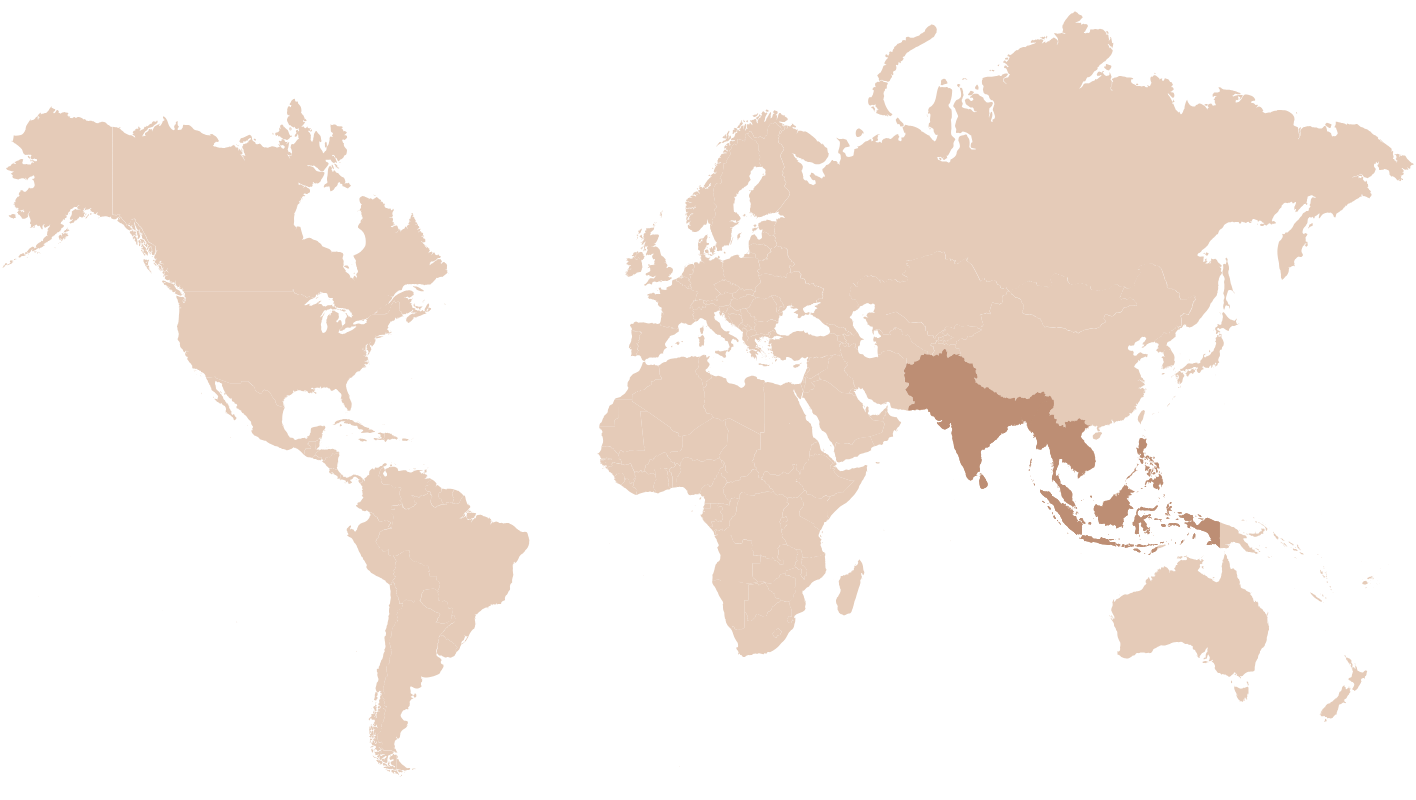
IUCN RED LIST
Established in 1964, The IUCN Red List is a critical indicator of the health of the world’s biodiversity. Species are classified by the IUCN Red List into nine groups, through criteria such as rate of decline, population size and area of geographic distribution as:
- Extinct (EX) – This species is no longer extant
- Extinct in the wild (EW) – Survives only in captivity, or through cultivation often outside native range
- Critically endangered (CR) – In an extremely critical state
- Endangered (EN) – Very high risk of extinction in the wild
- Vulnerable (VU) – At high risk of unnatural (human-caused) extinction
- Near Threatened (NT) – Close to being endangered in the near future
- Least Concern (LC) – Widespread and abundant in the wild
- Data Deficient (DD) – Inadequate information to assess extinction risk
- Not Evaluated (NE) – Has not yet been assessed



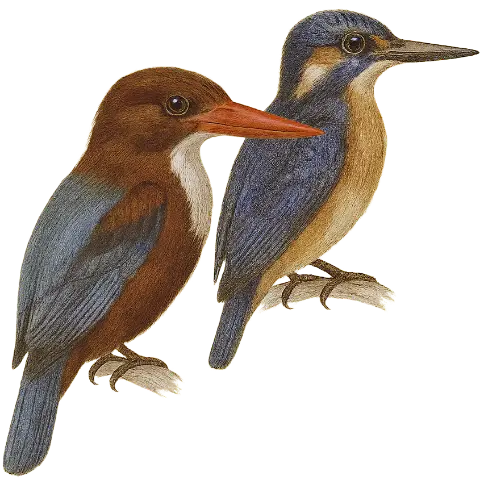
Little Cormorants are black birds with strong diving abilities. During the breeding season, adults have glossy black feathers with a greenish shine. Outside the breeding season, their plumage becomes brownish-black, with whitish streaks on the throat and sides of the head. Their eyes are dark, the bill is slender and hooked and the feet are black and fully webbed for swimming. Young birds are duller, with brown upperparts and lighter underparts.
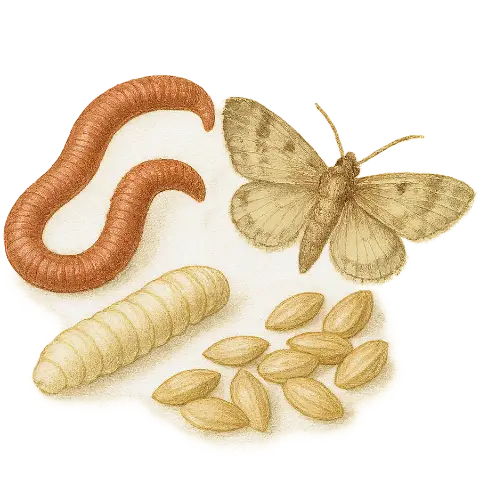
The Little Cormorant feeds mainly on small fish, but it also consumes frogs, crustaceans and aquatic insects. It is an excellent underwater hunter, diving and swimming beneath the surface using its strong legs and webbed feet for propulsion. The bird hunts alone or in small groups in ponds, lakes, rivers and backwaters, staying submerged for 10 to 30 seconds while visually locating prey. Its sharp, hooked bill helps it grip slippery catches, which are swallowed after surfacing. Feeding is most active in the morning and late afternoon, when fish are more active. After foraging, the Little Cormorant often perches on exposed branches or rocks to spread its wings, a necessary behavior since its feathers are not fully waterproof.

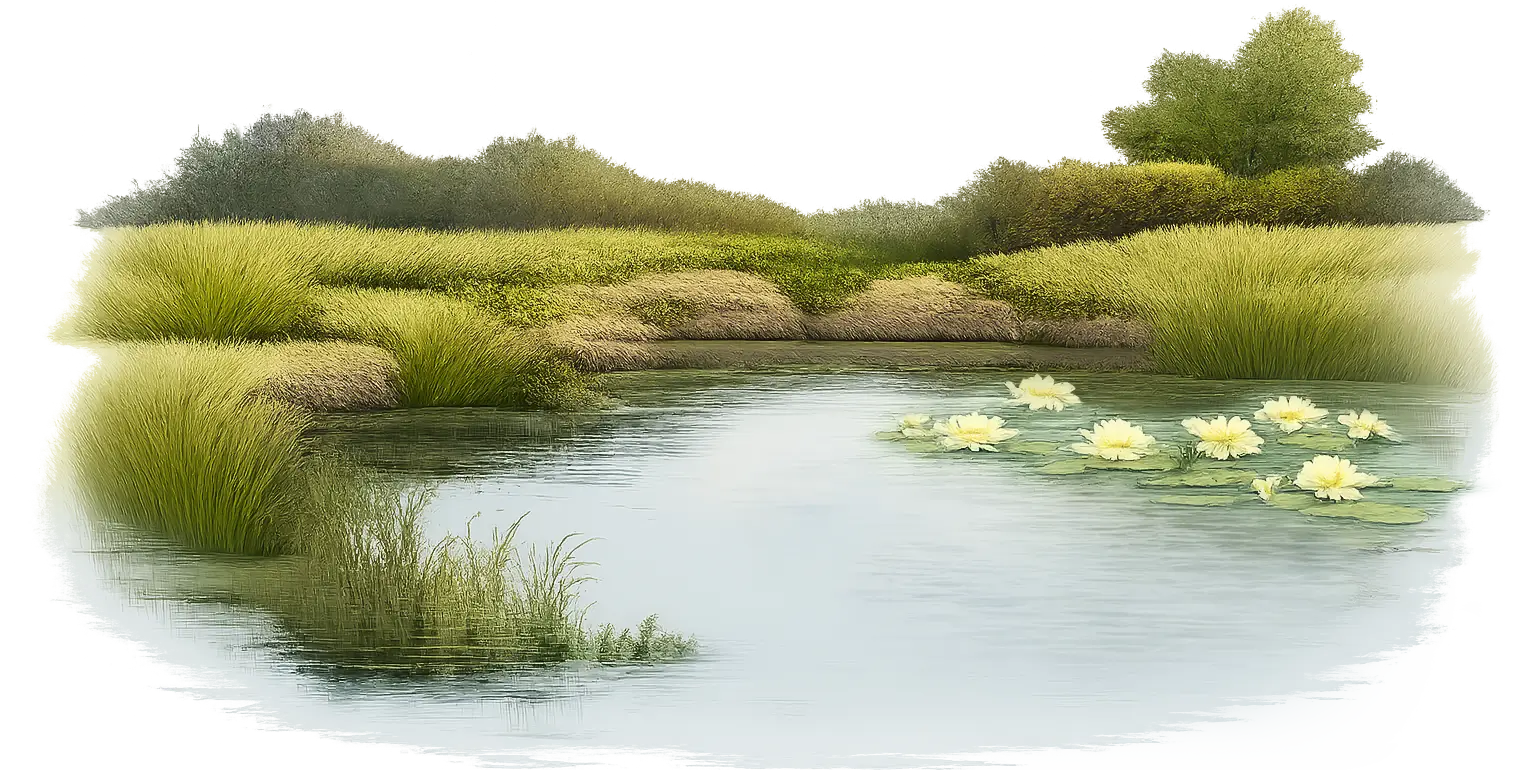
The Little Cormorant inhabits freshwater and coastal wetlands, such as lakes, ponds, rivers, marshes, reservoirs, mangroves and urban water bodies. It prefers to live near still or slow-moving waters rich in fish and is often seen perched on branches or stones near the water.
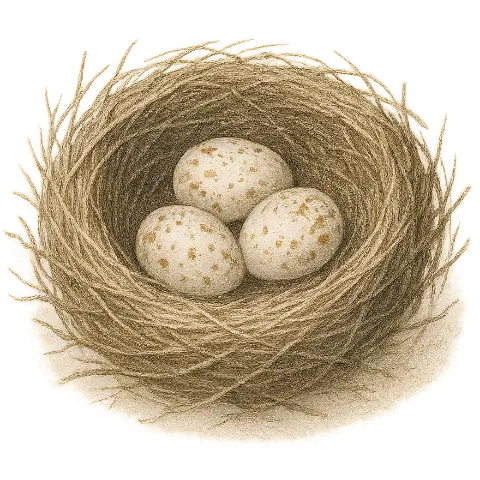
Nest: Little Cormorants breed in large groups called colonies, often alongside other waterbirds like herons and egrets. The nest is a flat platform made of sticks and placed on trees, bushes or sometimes on reeds above water. These busy colonies are noisy and full of activity.
Clutch Size: 3 to 6 pale blue eggs. Both parents take turns incubating the eggs for about 3 to 4 weeks.The chicks are fed with regurgitated food or partially digested food that the parents bring back up from their throat. Both parents share the care and feeding duties.