IUCN RED LIST
Established in 1964, The IUCN Red List is a critical indicator of the health of the world’s biodiversity. Species are classified by the IUCN Red List into nine groups, through criteria such as rate of decline, population size and area of geographic distribution as:
- Extinct (EX) – This species is no longer extant
- Extinct in the wild (EW) – Survives only in captivity, or through cultivation often outside native range
- Critically endangered (CR) – In an extremely critical state
- Endangered (EN) – Very high risk of extinction in the wild
- Vulnerable (VU) – At high risk of unnatural (human-caused) extinction
- Near Threatened (NT) – Close to being endangered in the near future
- Least Concern (LC) – Widespread and abundant in the wild
- Data Deficient (DD) – Inadequate information to assess extinction risk
- Not Evaluated (NE) – Has not yet been assessed



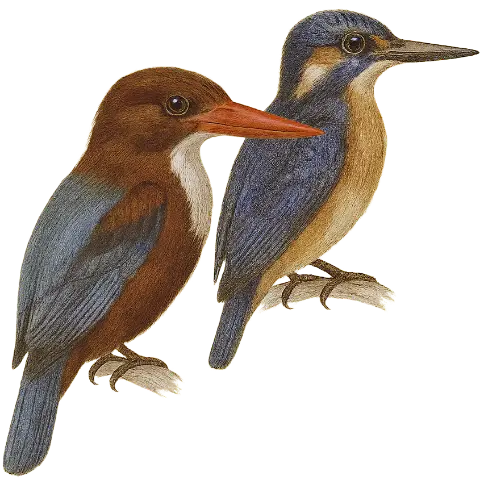




Long Tailed Shrikes have bold and contrasting colours. They have a black mask across the eyes and forehead, greyish crown and nape and rufous (chestnut-coloured) sides and back. Their underparts are white and they have a long black tail with white outer feathers. The wings are black with a white patch that is easy to see in flight. Males and females look alike, though females may be slightly duller. Young birds have a scaly pattern on the underside.
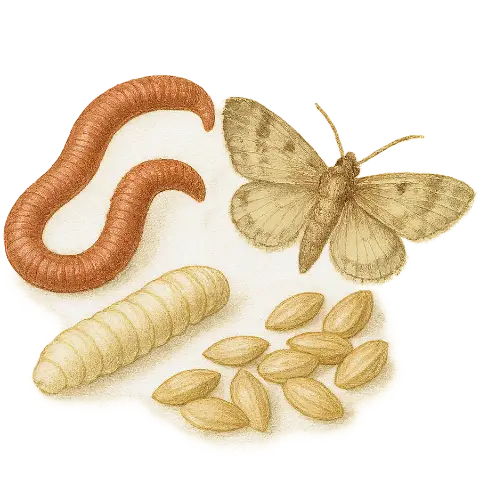
The Long Tailed Shrike feeds mainly on insects, small reptiles, rodents, frogs and occasionally small birds. It uses a sit-and-wait strategy, perching on exposed spots such as branches, fences or wires while scanning the ground for prey. Once located, it swoops down swiftly to seize its target with a sharp, hooked bill. Bold and aggressive in its feeding behavior, this species is known for impaling prey on thorns, twigs or barbed wire, a method used for storing food or tearing it apart. This distinctive habit is characteristic of shrikes and highlights the bird's predatory nature.

The Long Tailed Shrike inhabits open grasslands, scrublands, agricultural fields, forest edges, mangroves and urban gardens. It prefers areas with scattered trees or bushes that provide perches and nesting sites, often near open spaces for hunting.
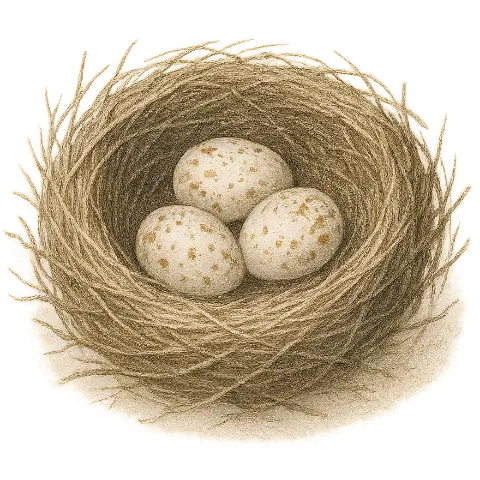
Nest: A deep, cup-shaped nest is built from twigs, roots and grass and lined with soft materials like feathers and hair to cushion the eggs. The nest is usually placed inside thorny bushes or dense shrubs, which help protect it from predators.
Clutch Size: 3 to 6 eggs. Both parents share the work of building the nest, keeping the eggs warm and feeding the chicks. Long-tailed Shrikes are strong defenders of their nest and will aggressively chase intruders away.