IUCN RED LIST
Established in 1964, The IUCN Red List is a critical indicator of the health of the world’s biodiversity. Species are classified by the IUCN Red List into nine groups, through criteria such as rate of decline, population size and area of geographic distribution as:
- Extinct (EX) – This species is no longer extant
- Extinct in the wild (EW) – Survives only in captivity, or through cultivation often outside native range
- Critically endangered (CR) – In an extremely critical state
- Endangered (EN) – Very high risk of extinction in the wild
- Vulnerable (VU) – At high risk of unnatural (human-caused) extinction
- Near Threatened (NT) – Close to being endangered in the near future
- Least Concern (LC) – Widespread and abundant in the wild
- Data Deficient (DD) – Inadequate information to assess extinction risk
- Not Evaluated (NE) – Has not yet been assessed





The breeding Purple Sunbird male is glossy metallic purple to blue-black all over, shimmering with violet, blue and green in sunlight. After the breeding season, he changes to a duller eclipse plumage, with brown upperparts, a yellow underside and a dark shiny stripe down the center of the chest. The female is olive-brown above and yellowish below, with a paler throat and a slender curved bill. This shift between bright breeding plumage to attract a mate and eclipse plumage for safety and camouflage is common in many small bird species.
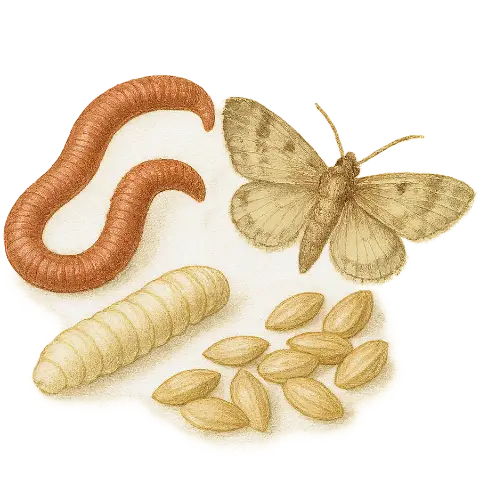
The Purple Sunbird feeds mainly on nectar from a wide variety of flowering plants such as hibiscus, bottlebrush, coral trees and lantanas. It is an energetic and agile forager, flitting actively among flowers and feeding by perching or briefly hovering. Using its slender, curved bill and brush-tipped tongue, it extracts nectar efficiently and often shows impressive acrobatics, including hanging upside down or sideways to reach deep blooms. Along with nectar, it also consumes insects and spiders, especially during the breeding season to provide essential protein for chicks. While feeding, it moves quickly between blossoms and plays an important role as a pollinator in its ecosystem.
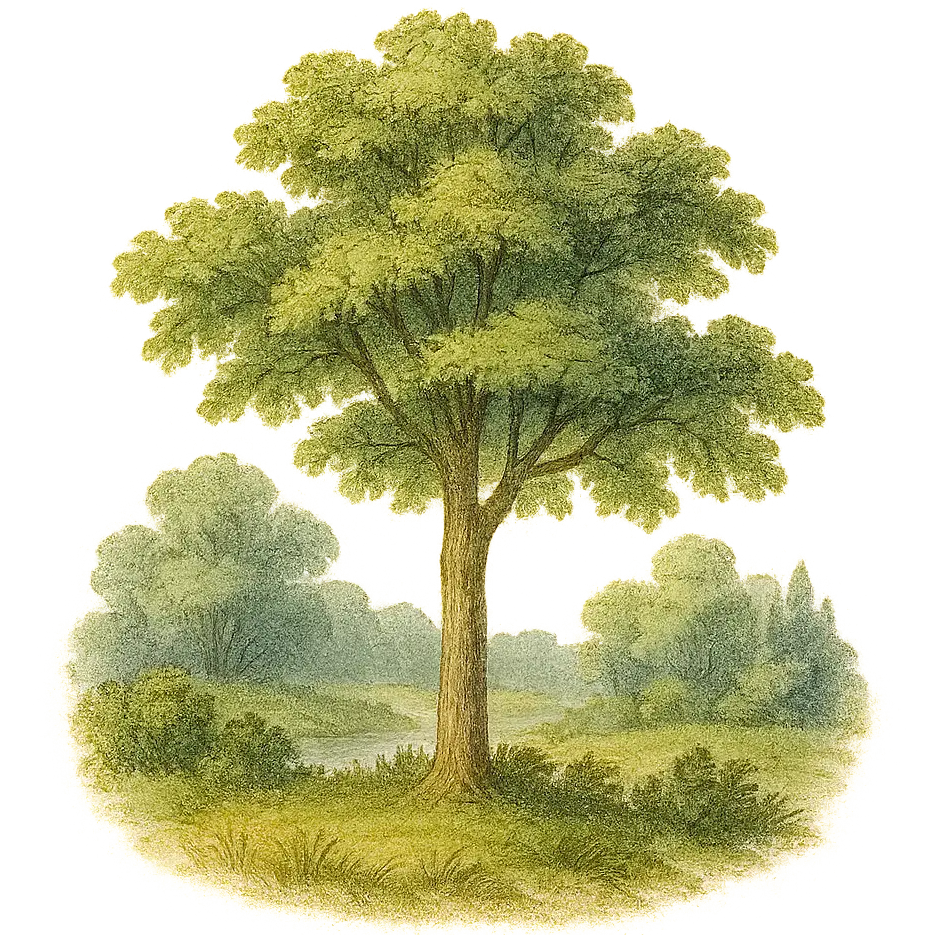
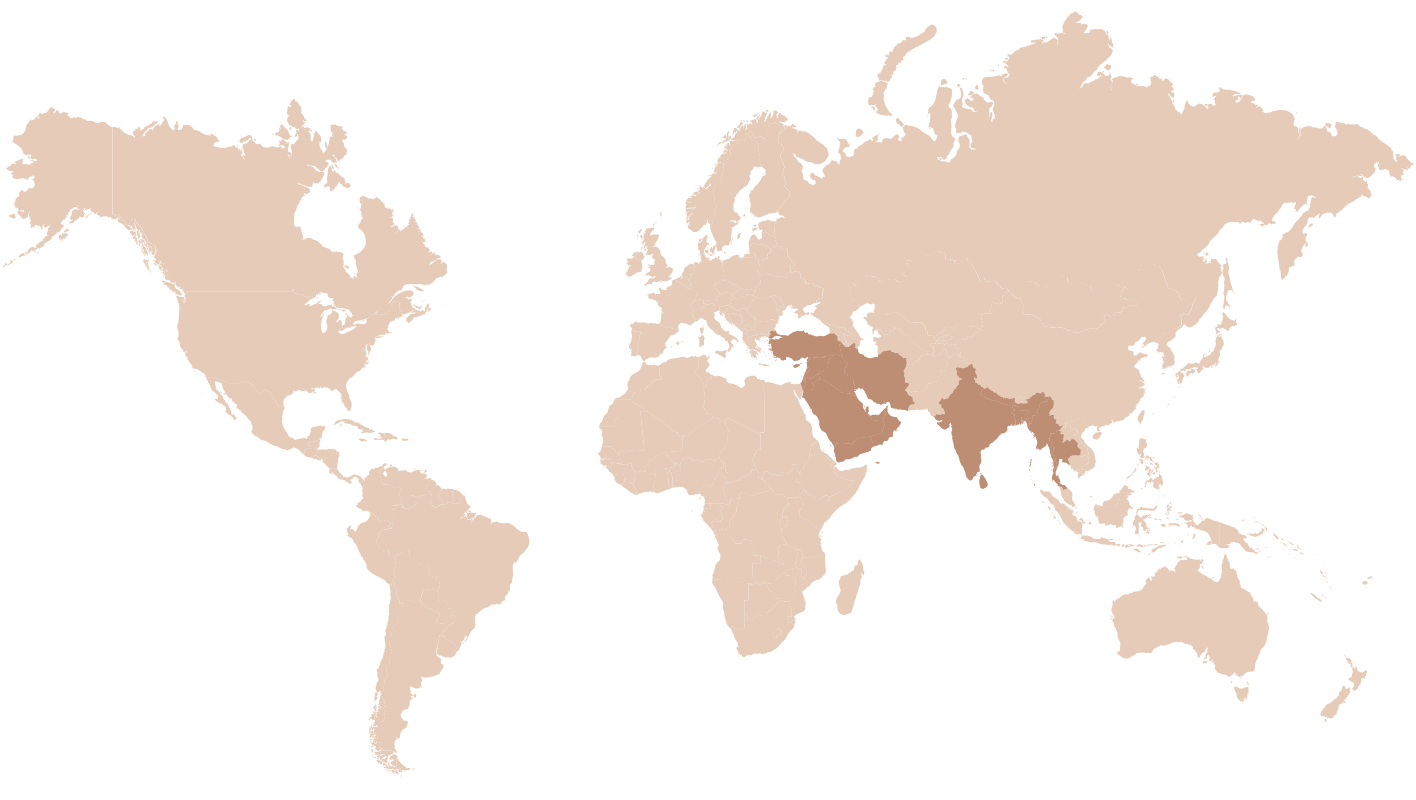
The Purple Sunbird occupies a range of habitats such as open woodlands, scrublands, gardens, agricultural areas and urban parks. It thrives in both dry and moist environments but perfers to avoid dense forests and high mountains. It can live at an altitude of up to 2,000 m in the Himalayan foothills.
Courtship Display: Males are polygynous, meaning one male may mate with more than one female. To attract a mate, the male hovers near the female with rapidly fluttering wings and shows off his shiny, iridescent feathers in sunlight.
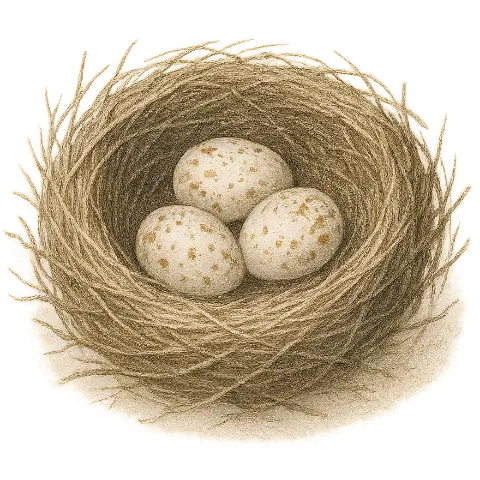
Nest: A hanging, oval-shaped nest is made from grass, cobwebs and soft plant fibers. The nest is suspended from thin branches or even human-made objects like wires or roof edges. The entrance faces downward and may have a small porch-like extension that helps protect the inside from rain and predators. The female builds the nest alone.
Clutch Size: 1 to 3 pale green eggs with brown speckles. The female incubates the eggs until they hatch and afterward both parents work together to feed the chicks.