IUCN RED LIST
Established in 1964, The IUCN Red List is a critical indicator of the health of the world’s biodiversity. Species are classified by the IUCN Red List into nine groups, through criteria such as rate of decline, population size and area of geographic distribution as:
- Extinct (EX) – This species is no longer extant
- Extinct in the wild (EW) – Survives only in captivity, or through cultivation often outside native range
- Critically endangered (CR) – In an extremely critical state
- Endangered (EN) – Very high risk of extinction in the wild
- Vulnerable (VU) – At high risk of unnatural (human-caused) extinction
- Near Threatened (NT) – Close to being endangered in the near future
- Least Concern (LC) – Widespread and abundant in the wild
- Data Deficient (DD) – Inadequate information to assess extinction risk
- Not Evaluated (NE) – Has not yet been assessed




The head, throat and upper chest of the Red Vented Bulbul are sooty black, creating a clear 'hood' on is head. Its back and wings are brownish-grey with a scaly pattern and the underside is greyish-white with light streaks on the chest. The rump, area on a bird's back just above the tail is dark brown, but the bright red patch under the tail or vent is the bird's most eye-catching feature. The tail is dark with a white tip and the bill, legs and feet are black. Males and females look the same. Young birds are slightly duller and do not have a bright red vent.
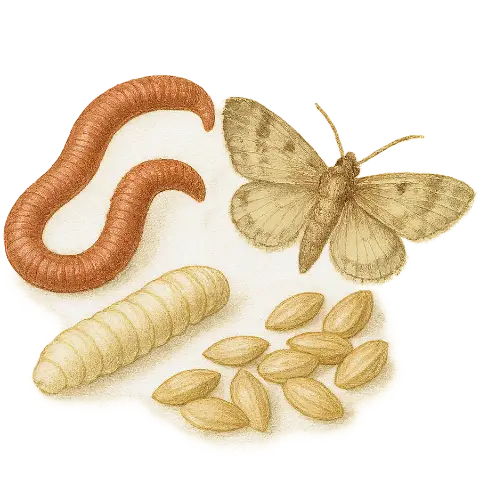
The Red-vented Bulbul is an active and adaptable feeder, usually seen foraging in pairs or small family groups among trees, shrubs and sometimes on the ground. It feeds on a wide variety of foods including fruits, berries, flower nectar, insects and small invertebrates. Common fruits in its diet include bananas, papayas and figs and it often visits flowering plants such as hibiscus and bottlebrush for nectar. Its curious and bold feeding behavior brings it frequently to gardens or chards and agricultural fields. By consuming fruits and dispersing seeds, it plays an important ecological role in plant regeneration. However, its habit of feeding on cultivated fruits can sometimes make it a minor pest in farmlands.
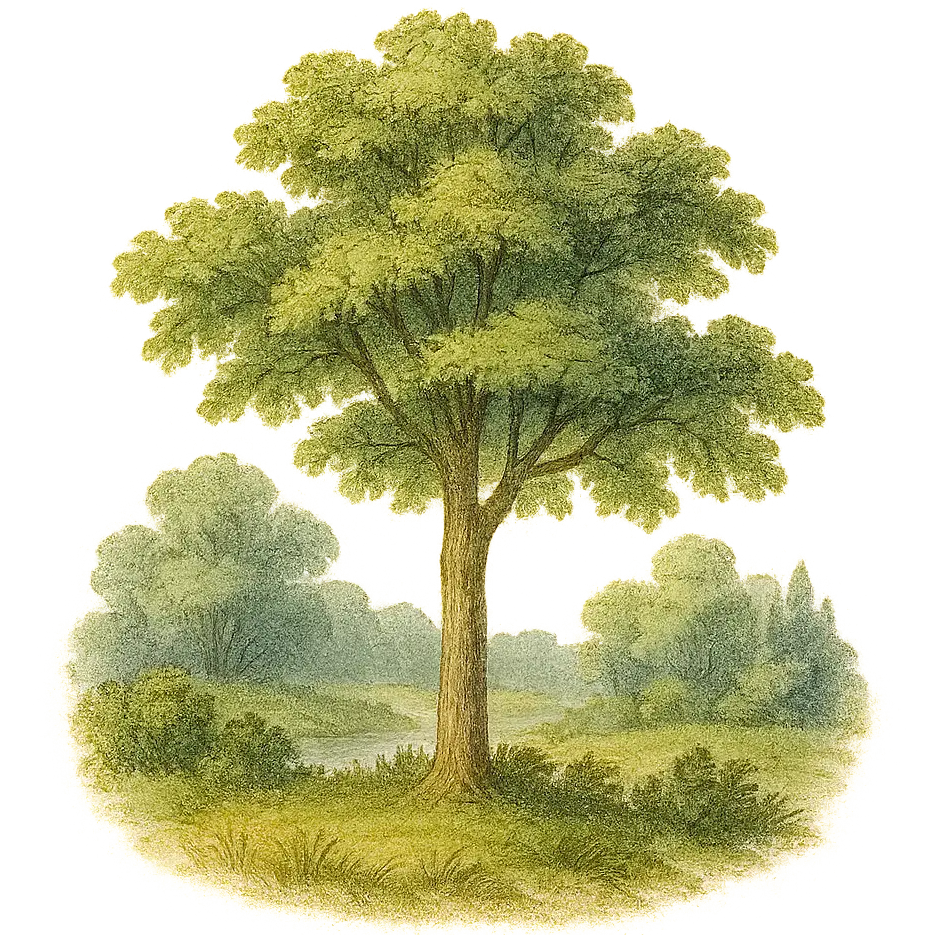
This Bulbul species has adapts to a variety of habitats including open forests, scrublands, gardens, farmlands and urban environments. It prefers semi-open areas with scattered trees and shrubs and is a common sight in both rural and urban landscapes.
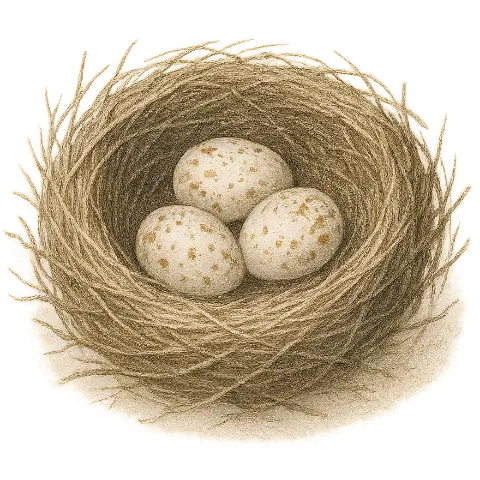
Nest: A small cup-shaped nest is made from twigs, grass, roots and bits of hair. It is usually placed in shrubs, small trees or sometimes on human-made structures like ledges or light fixtures. The nest is well hidden to protect the eggs and chicks.
Clutch Size: 2 to 4 pale pinkish eggs with reddish-brown spots are incubated for 12 to 14 days. Red Vented Bulbuls are bold defenders of their nests and may chase away much larger birds. In good conditions, they can raise more than one brood in a single season.