IUCN RED LIST
Established in 1964, The IUCN Red List is a critical indicator of the health of the world’s biodiversity. Species are classified by the IUCN Red List into nine groups, through criteria such as rate of decline, population size and area of geographic distribution as:
- Extinct (EX) – This species is no longer extant
- Extinct in the wild (EW) – Survives only in captivity, or through cultivation often outside native range
- Critically endangered (CR) – In an extremely critical state
- Endangered (EN) – Very high risk of extinction in the wild
- Vulnerable (VU) – At high risk of unnatural (human-caused) extinction
- Near Threatened (NT) – Close to being endangered in the near future
- Least Concern (LC) – Widespread and abundant in the wild
- Data Deficient (DD) – Inadequate information to assess extinction risk
- Not Evaluated (NE) – Has not yet been assessed








The Red Wattled Lapwing has mostly brown and white feathers with clear patterns on its wings and back. Its upper body is brownish-grey and its belly is white. A bold black band runs across its chest, making it easy to recognize. Both males and females look alike.
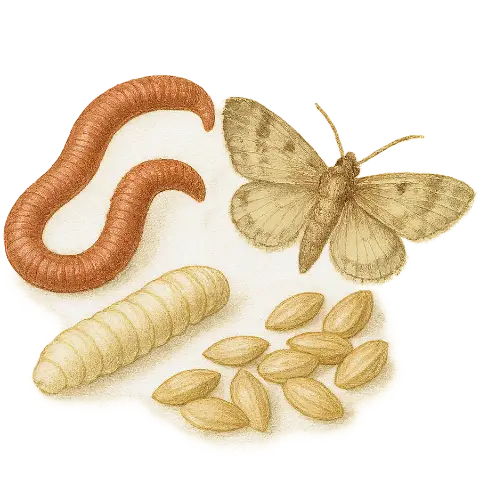
The Red Wattled Lapwing has a diet that consists mainly of insects, snails and other invertebrates, which are typically foraged from the ground. The lapwing may also consume grains and is known to use its long, slender legs to tap or scratch soft soil to disturb insects. Its short, stout and straight beak is designed for "plover feeding" which means pecking quickly at the ground for insects. Due to their diet, Lapwings helps in managing pest populations, especially for agriculture thereby reducing the need for chemical pesticides.

The Red Wattled Lapwing likes to live in well-watered open landscapes such as ploughed fields, grazing lands and the peripheries of tanks and puddles. It may also inhabit forest clearings near rain-filled depressions.
Courtship Display: This involving males puffing up feathers and shuffling around females. The female responds with short, quickly repeated calls.
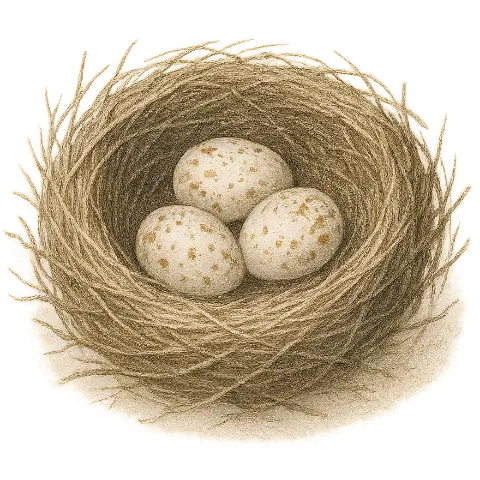
Nest: Lapwings are ground nesting birds. Nesting sites close to water. The nest is a shallow scrape, which may be bare or lined with small stones.
Clutch Size: 3 to 4 eggs are laid and they hatch within 28 to 30 days.