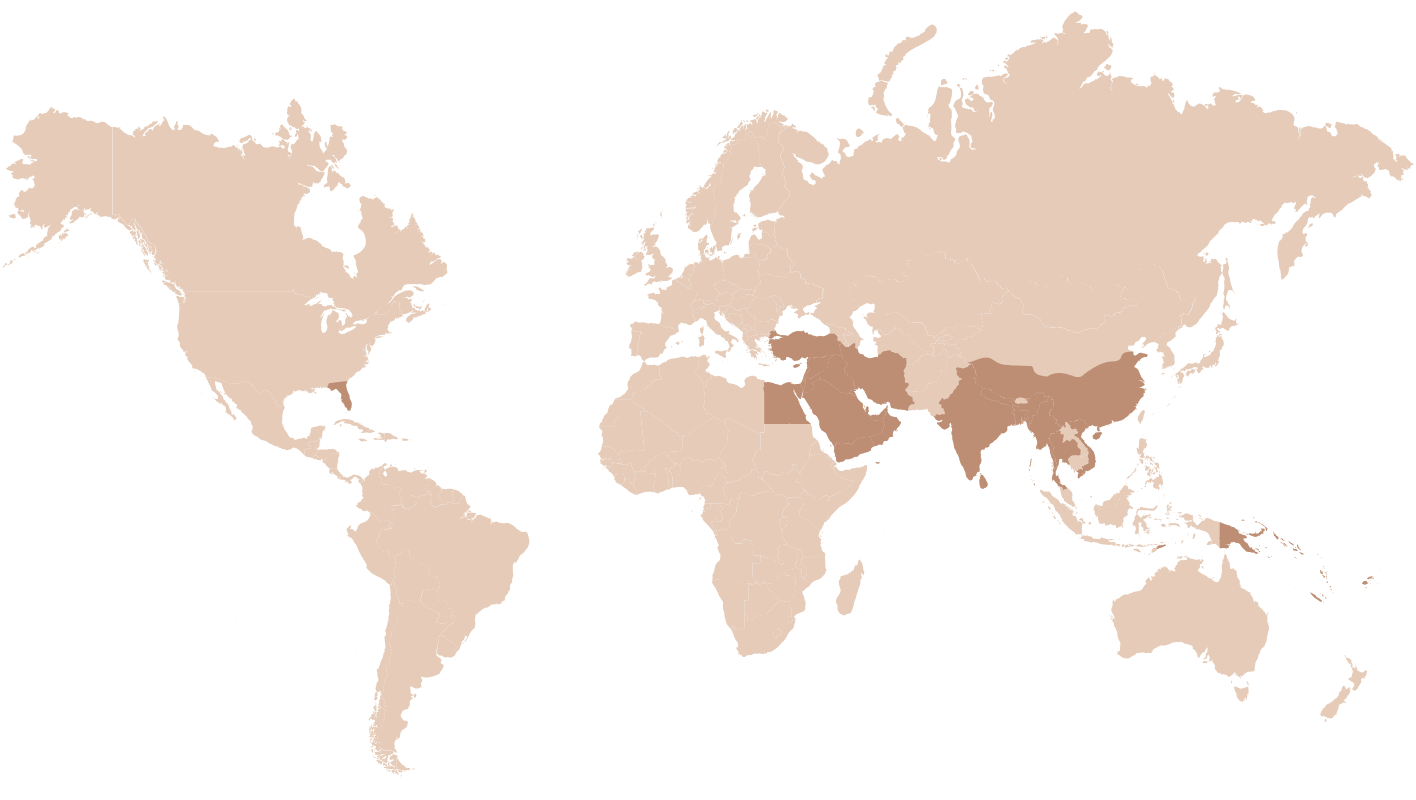
IUCN RED LIST
Established in 1964, The IUCN Red List is a critical indicator of the health of the world’s biodiversity. Species are classified by the IUCN Red List into nine groups, through criteria such as rate of decline, population size and area of geographic distribution as:
- Extinct (EX) – This species is no longer extant
- Extinct in the wild (EW) – Survives only in captivity, or through cultivation often outside native range
- Critically endangered (CR) – In an extremely critical state
- Endangered (EN) – Very high risk of extinction in the wild
- Vulnerable (VU) – At high risk of unnatural (human-caused) extinction
- Near Threatened (NT) – Close to being endangered in the near future
- Least Concern (LC) – Widespread and abundant in the wild
- Data Deficient (DD) – Inadequate information to assess extinction risk
- Not Evaluated (NE) – Has not yet been assessed



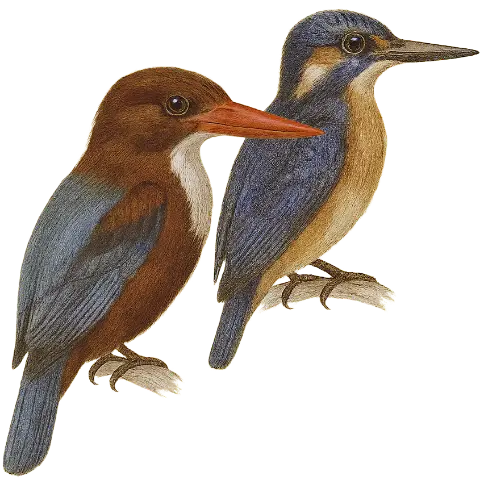

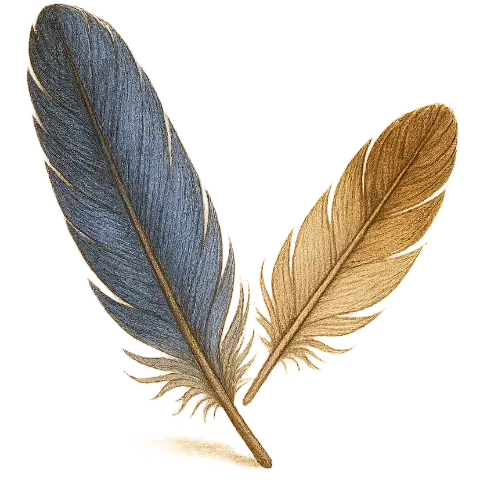
Red Whiskered Bulbuls have a striking look. Their head is black with a pointed crest, while the cheeks and throat are white. A bright red patch below the eye forms the distinctive "whisker" that gives the species its name. The upperparts are brown, contrasting with whitish underparts and a dark brown band across the chest. The vent and feathers under the tail are a vivid crimson red, adding a bright splash of colour. The tail is long, dark brown and tipped with white. Males and females look the same, while young birds or juveniles are duller with a softer crest and paler red markings.
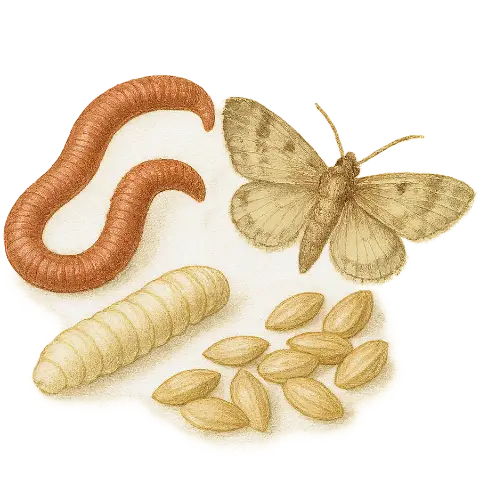
The Red Whiskered Bulbul feeds on a wide variety of fruits, berries, flower nectar and small insects. Its diet includes figs, papayas, bananas, mulberries and occasionally caterpillars or beetles. It is an energetic and social feeder, usually seen in pairs or small flocks, actively moving through trees, shrubs and gardens in search of food. The bird often hops among branches or hovers briefly to pluck fruits. Feeding is most active in the early morning and late afternoon. By consuming fruits and dispersing seeds, it plays an important ecological role in supporting plant growth in its habitat.
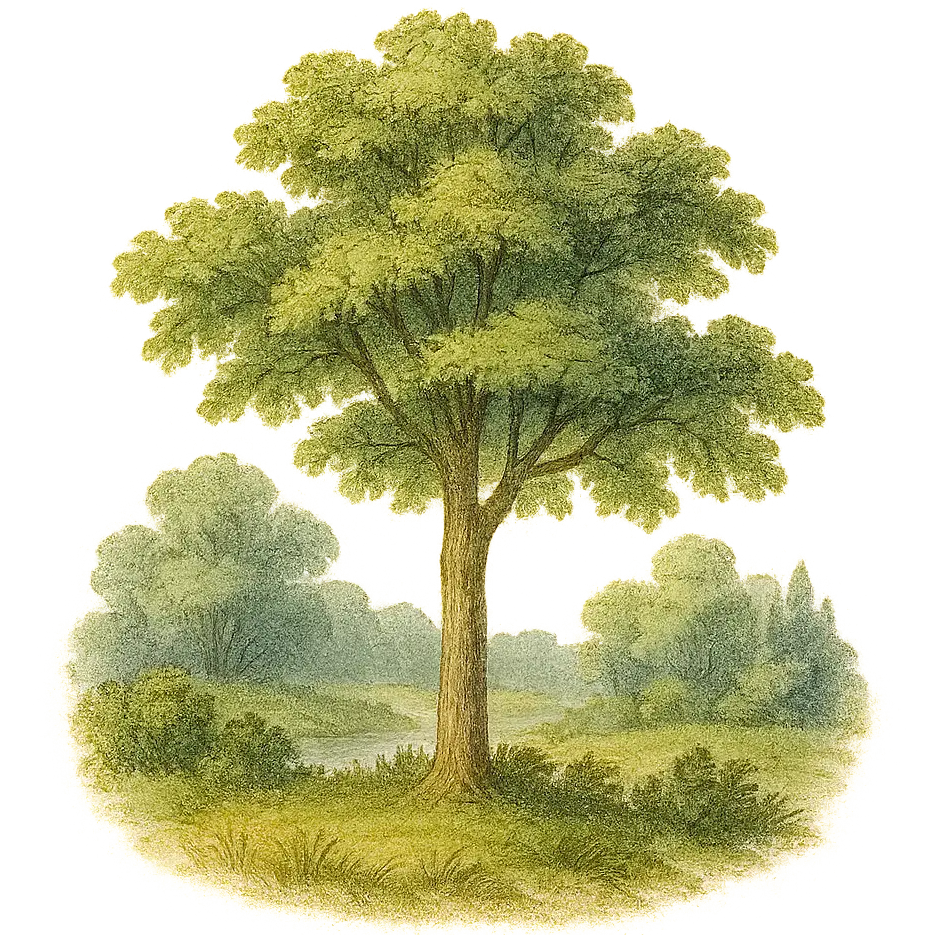
The Red Whiskered Bulbul enjoys living in open woodlands, scrublands, forest edges or chards, gardens and urban parks. It favors areas with scattered trees and shrubs and is commonly found near human settlements.
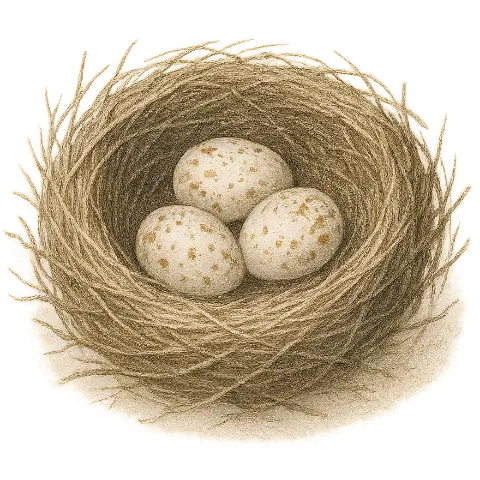
Courtship Display: The male and female form a pair for life. They call to each other, gently clean each other's feathers (this is called preening) and sometimes share food. These behaviors help strengthen their bond before nesting.
Nest: A small, neat cup-shaped nest made from grass, roots and thin twigs lined with soft plant fibers to keep the eggs safe and warm. The nest is usually placed in bushes or small trees about 2 to 3 meters above the ground, often close to homes and gardens.
Clutch Size: 2 to 4 pale pink eggs with reddish spots are laid. Both parents take turns keeping the eggs warm and feeding the chicks. They are very alert and noisy if danger comes near the nest. Many pairs raise two sets of chicks in a single breeding season.