IUCN RED LIST
Established in 1964, The IUCN Red List is a critical indicator of the health of the world’s biodiversity. Species are classified by the IUCN Red List into nine groups, through criteria such as rate of decline, population size and area of geographic distribution as:
- Extinct (EX) – This species is no longer extant
- Extinct in the wild (EW) – Survives only in captivity, or through cultivation often outside native range
- Critically endangered (CR) – In an extremely critical state
- Endangered (EN) – Very high risk of extinction in the wild
- Vulnerable (VU) – At high risk of unnatural (human-caused) extinction
- Near Threatened (NT) – Close to being endangered in the near future
- Least Concern (LC) – Widespread and abundant in the wild
- Data Deficient (DD) – Inadequate information to assess extinction risk
- Not Evaluated (NE) – Has not yet been assessed




Rose-ringed Parakeets are graceful, medium-sized parrots with bright emerald-green plumage. The underparts are slightly paler and the long tapering tail is green above with a yellowish underside. The bill is a deep coral red and the eyes are yellow with a pale ring around them. The male has a clear rose-pink and black collar around the neck, which gives the species its name. Females and young birds or juveniles do not show a full neck ring and instead have only a faint shadow-like band.
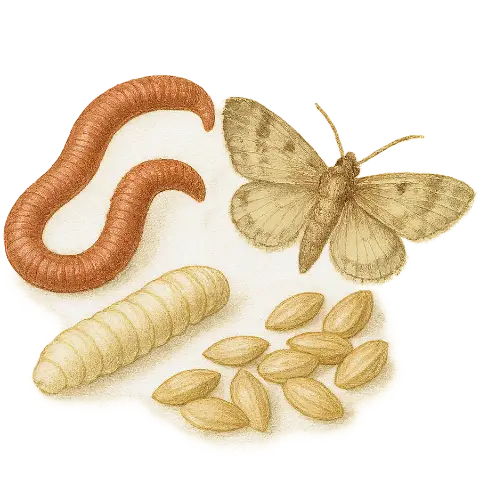
The Rose-ringed Parakeet feeds on a wide range of plant-based foods including fruits, seeds, nuts, buds, grains, flowers and berries. It is an active and highly social feeder, commonly seen in pairs or noisy flocks foraging in trees, gardens and farmlands. Using its strong, curved beak, it cracks seeds, peels fruits and even chews on bark or buds. It also visits crop fields such as millet, maize and sunflower, which can sometimes lead to conflict with farmers. The species frequently eats guavas, mangoes, neem fruits and other cultivated produce. With its zygodactyl feet which means having two toes facing forward and two backward, it can grasp food firmly and often feeds while clinging or hanging upside down on branches.
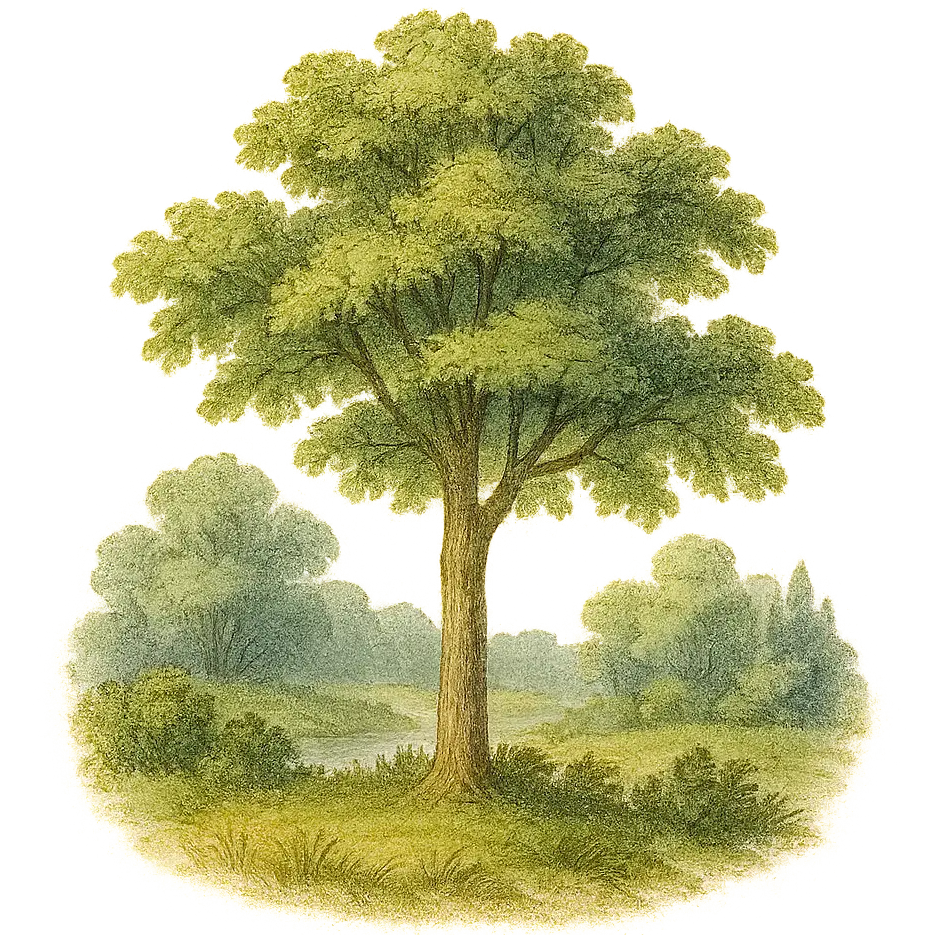
The Rose-ringed Parakeet inhabits woodlands, agricultural lands, parks, gardens or chards and urban areas, showing exceptional adaptability. The species can thrive at forest edges, in farmlands and cityscapes alike often nesting in tree cavities or buildings.
Courtship Display: Rose-ringed Parakeets form long-term pair bonds. The male offers food to the female and gently preens her feathers.
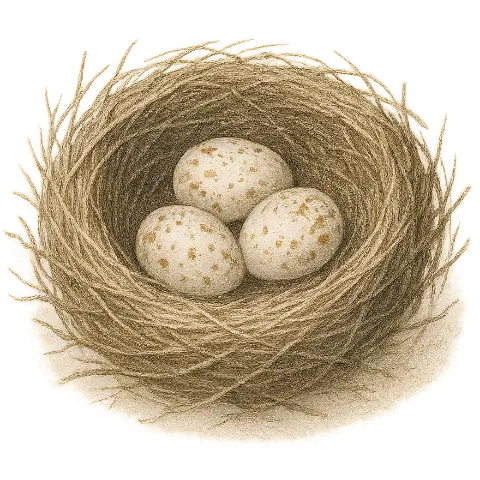
Nest: They nest inside natural holes in trees, old woodpecker cavities or even gaps in walls of buildings. These enclosed spaces protect the eggs from predators. Most nests are placed high above the ground for safety.
Clutch Size: 3 to 6 eggs are laid which hatch in about 3 weeks. Both parents take turns feeding the chicks who are ready to fly after around 6 to 7 weeks.