IUCN RED LIST
Established in 1964, The IUCN Red List is a critical indicator of the health of the world’s biodiversity. Species are classified by the IUCN Red List into nine groups, through criteria such as rate of decline, population size and area of geographic distribution as:
- Extinct (EX) – This species is no longer extant
- Extinct in the wild (EW) – Survives only in captivity, or through cultivation often outside native range
- Critically endangered (CR) – In an extremely critical state
- Endangered (EN) – Very high risk of extinction in the wild
- Vulnerable (VU) – At high risk of unnatural (human-caused) extinction
- Near Threatened (NT) – Close to being endangered in the near future
- Least Concern (LC) – Widespread and abundant in the wild
- Data Deficient (DD) – Inadequate information to assess extinction risk
- Not Evaluated (NE) – Has not yet been assessed



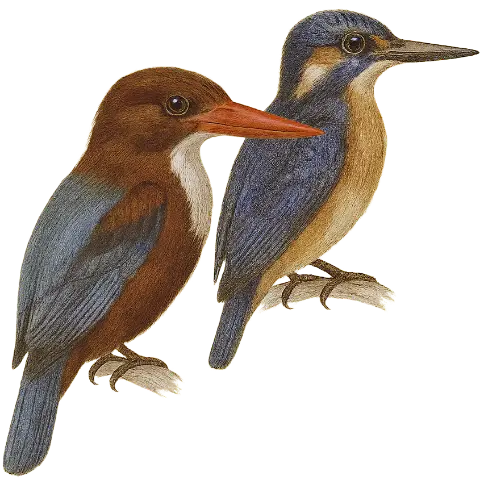




Scaly Breasted Munias are small finches with a clean, patterned look. Their upperparts are brown, while the underparts are white with dark brown scale-like markings that give the species its name. The head and throat are usually darker brown and the bill is thick and cone-shaped, perfect for eating seeds. Males and females look the same. Young birds or juveniles are plain brown below and do not show the scaly pattern until they mature.
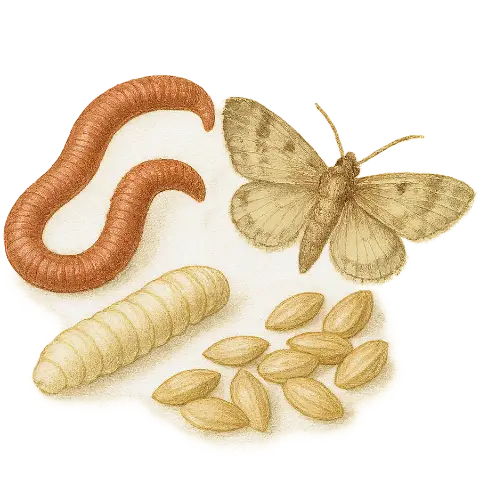
The Scaly Breasted Munia feeds mainly on grass seeds, millet and other small grains. It is a gregarious ground feeder, usually seen in small flocks foraging in open grasslands, farmlands and near human settlements. Using its strong, conical bill, it picks seeds from the ground or directly from grass heads and husks them efficiently. Although primarily granivorous, it also consumes insects and small invertebrates during the breeding season to provide extra protein for growing chicks. Feeding typically takes place on the ground or among seed-bearing grasses.
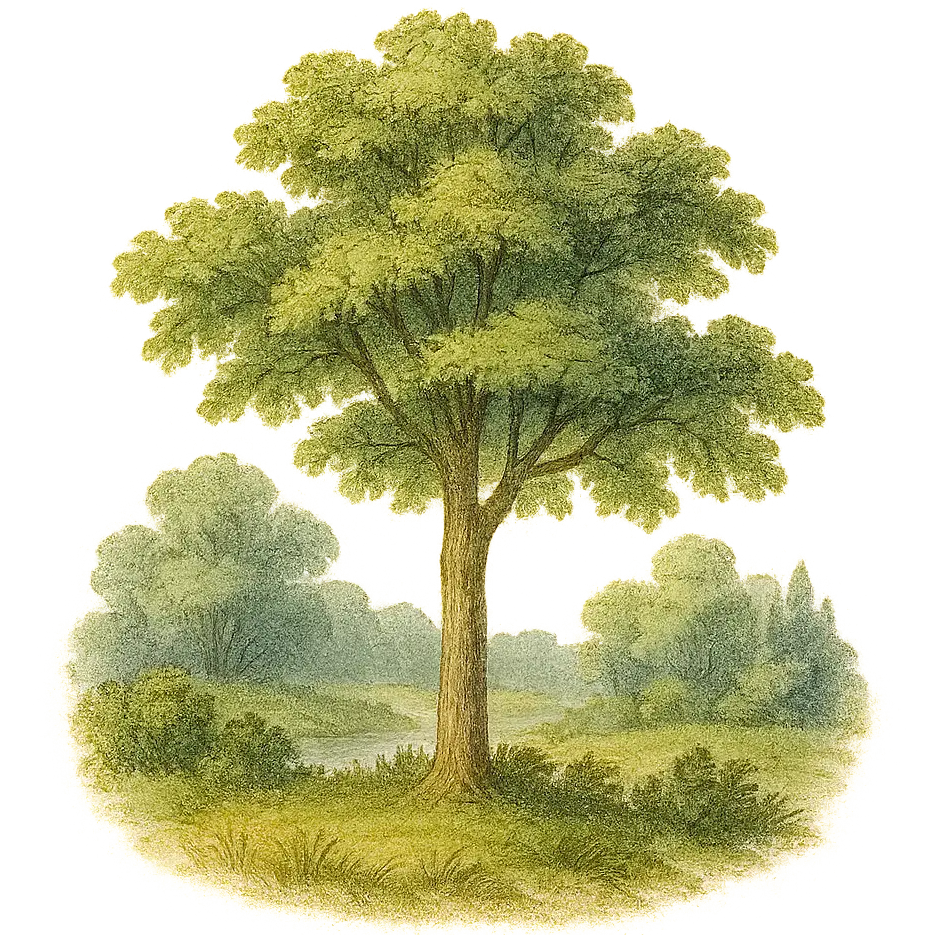
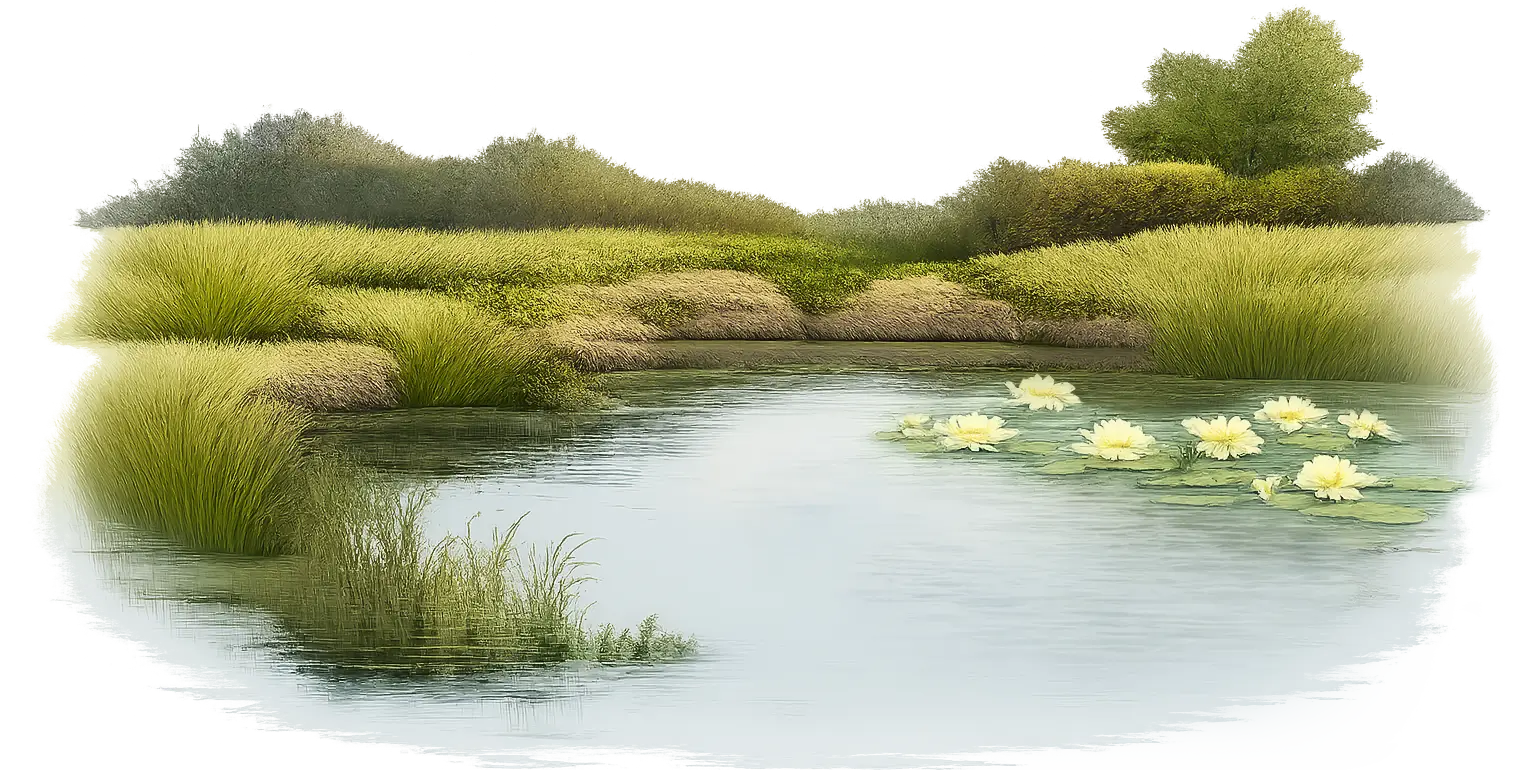
The Scaly Breasted Munia thrives in grasslands, paddy fields, gardens, scrublands and at forest edges, often prefering to live near water sources. It has also adapted well to living near cultivated areas and in the urban landscape.
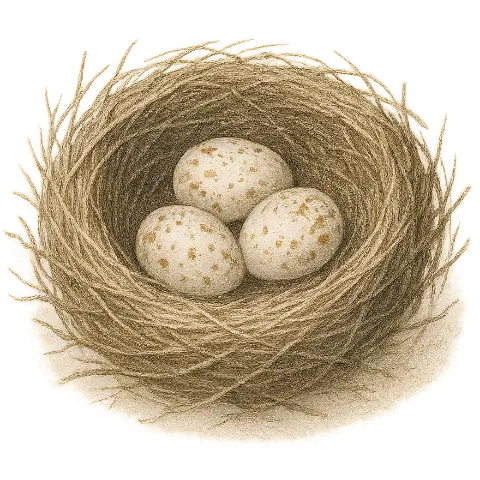
Nest: A round, ball-shaped nest made from grass and bamboo leaves. It has a small entrance and is tucked safely inside shrubs, tall reeds or sometimes under the edges of roofs (eaves) of buildings. Both the male and female work together to build the nest.
Clutch Size: 4 to 6 white eggs are laid. Both parents care for the chicks till they are ready to leave the nest.