IUCN RED LIST
Established in 1964, The IUCN Red List is a critical indicator of the health of the world’s biodiversity. Species are classified by the IUCN Red List into nine groups, through criteria such as rate of decline, population size and area of geographic distribution as:
- Extinct (EX) – This species is no longer extant
- Extinct in the wild (EW) – Survives only in captivity, or through cultivation often outside native range
- Critically endangered (CR) – In an extremely critical state
- Endangered (EN) – Very high risk of extinction in the wild
- Vulnerable (VU) – At high risk of unnatural (human-caused) extinction
- Near Threatened (NT) – Close to being endangered in the near future
- Least Concern (LC) – Widespread and abundant in the wild
- Data Deficient (DD) – Inadequate information to assess extinction risk
- Not Evaluated (NE) – Has not yet been assessed




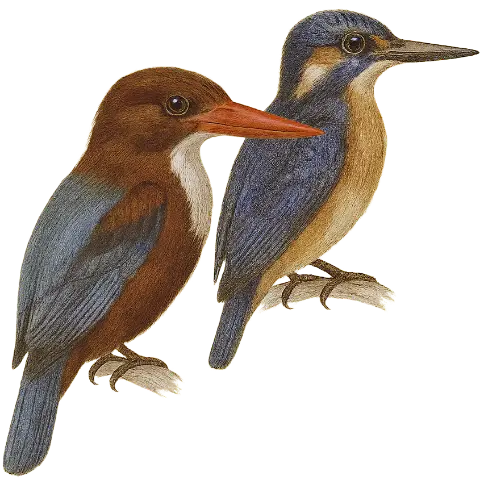




Shikras demostrate clear plumange differences between males and females. Adult males have blue-grey upperparts, fine brownish-orange bars on the underparts and a bright reddish eye. Females have brownish-grey upperparts and a yellowish eye, with slightly heavier barring below. Young birds or juveniles are browner overall with streaked underparts and also have yellowish eyes. A sharp, hooked bill and a long tail that helps with quick turns while hunting.
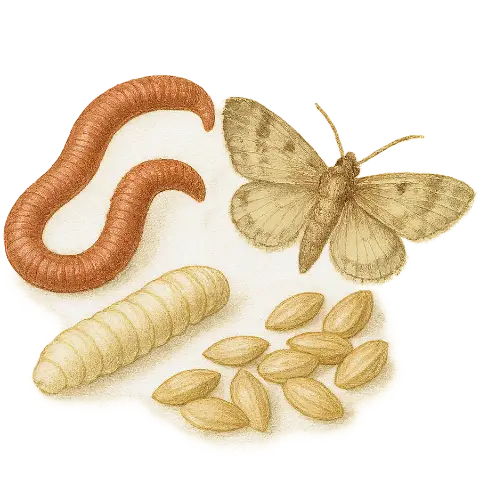
The Shikra is a swift and agile hunter, often perching quietly while watching for prey before launching a sudden, fast dash to capture it. It feeds mainly on rodents, small mammals, small birds, lizards, small snakes and large insects. Occasionally it will also hunt bats at dusk or feed on insects and other small animals disturbed from the ground. When hunting, it typically uses a sit-and-wait strategy: remaining concealed on a perch and then diving quickly to catch prey, often descending through foliage or pursuing small birds through trees. The Shikra's sharp talons and hooked bill make it an effective killer, able to snatch prey from the ground, foliage or even mid-flight.
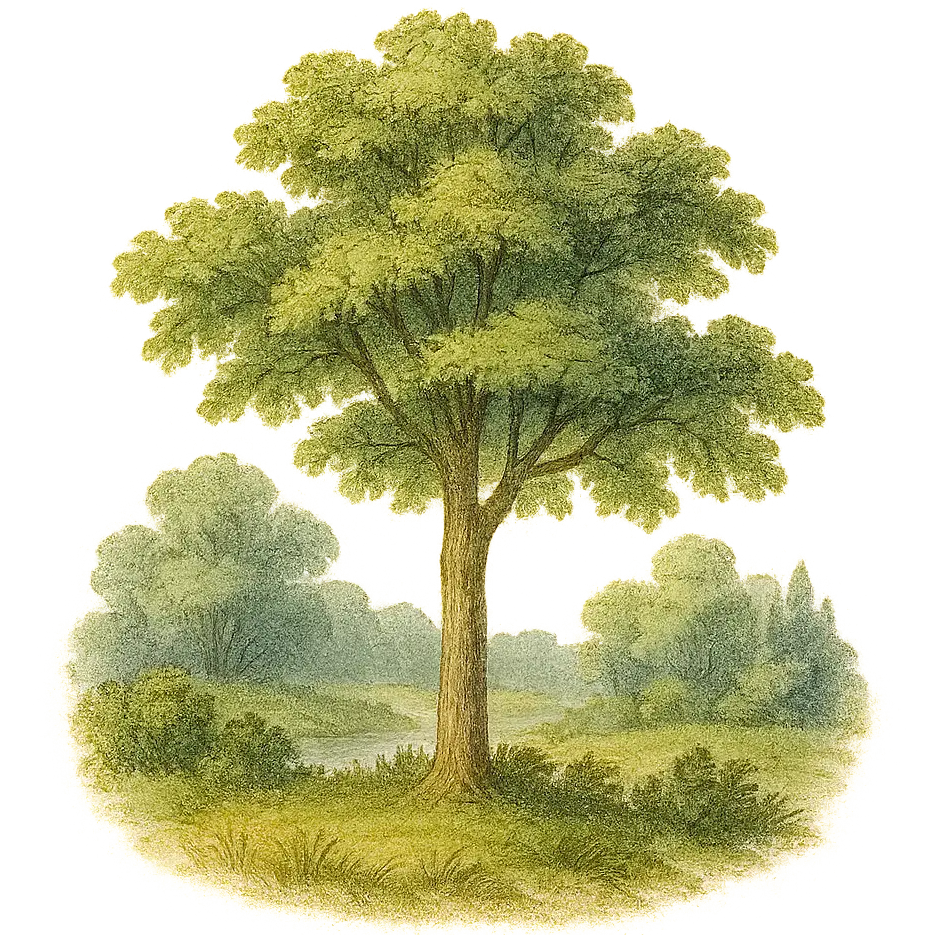
The Shikra may be found in a wide variety of habitats, including forests, farmland, woodlands, savannas and even urban gardens and avenues. These birds generally avoid dense jungles and deserts.
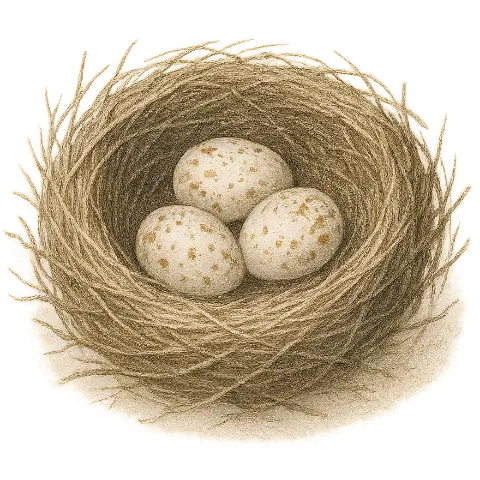
Nest: A shallow cup-shaped nest is made of twigs high up in large trees. Shikras may nest close to human areas such as gardens, cottages or along roadsides. Both parents help with building, but the female does more of the construction work.