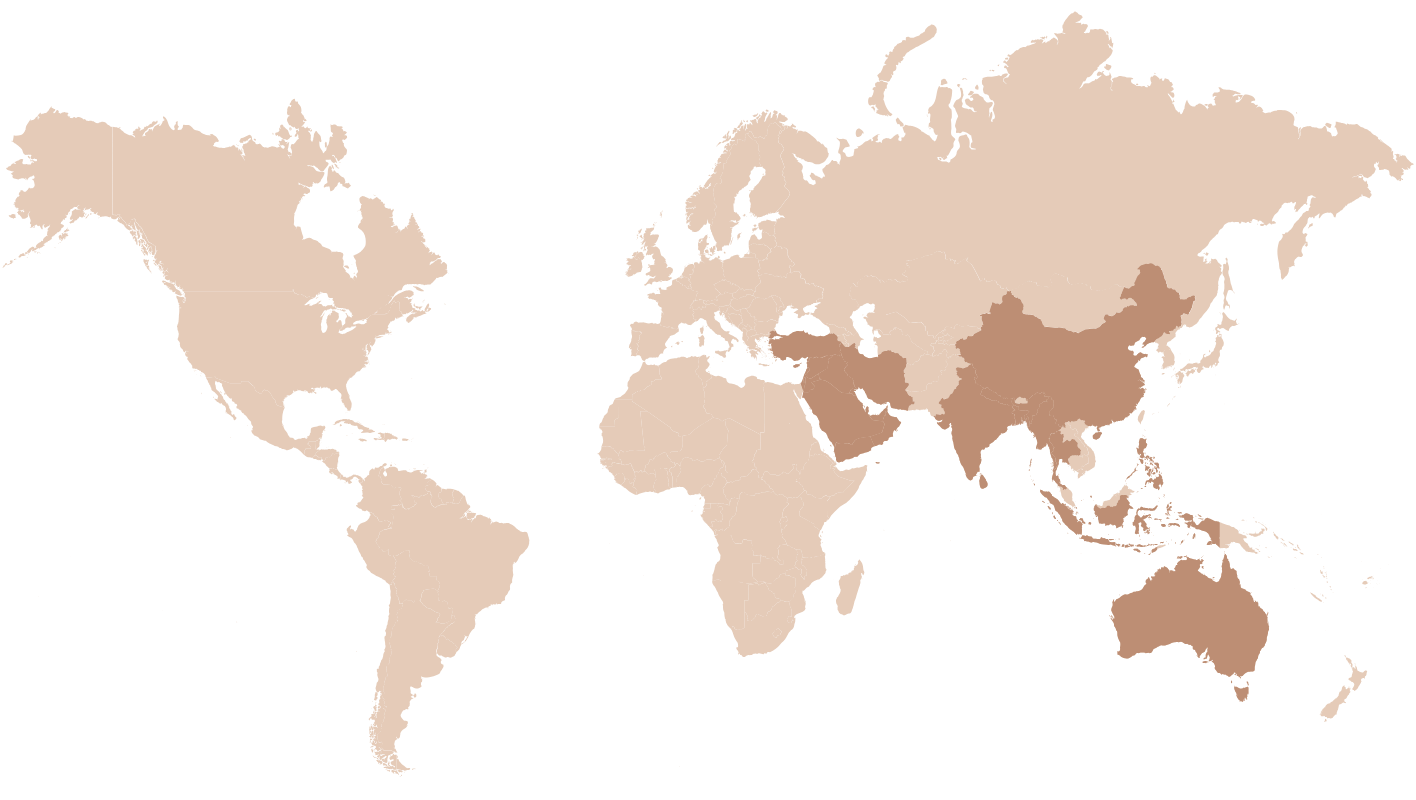
IUCN RED LIST
Established in 1964, The IUCN Red List is a critical indicator of the health of the world’s biodiversity. Species are classified by the IUCN Red List into nine groups, through criteria such as rate of decline, population size and area of geographic distribution as:
- Extinct (EX) – This species is no longer extant
- Extinct in the wild (EW) – Survives only in captivity, or through cultivation often outside native range
- Critically endangered (CR) – In an extremely critical state
- Endangered (EN) – Very high risk of extinction in the wild
- Vulnerable (VU) – At high risk of unnatural (human-caused) extinction
- Near Threatened (NT) – Close to being endangered in the near future
- Least Concern (LC) – Widespread and abundant in the wild
- Data Deficient (DD) – Inadequate information to assess extinction risk
- Not Evaluated (NE) – Has not yet been assessed





Spotted Doves have a buff-brown body, with the breast showing a rosy-buff tint that fades to grey on the head and belly. Their most distinctive feature is the black patch on the back and sides of the neck, covered with neat white spots, like a beaded collar. The wing coverts have light buff spots and the outer tail feathers are tipped with white, which is easy to see when the bird flies. Males and females look alike, while young birds or juveniles are duller with less defined spotting.
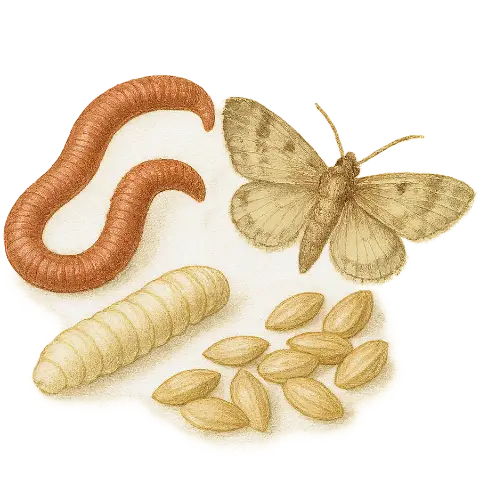
The Spotted Dove feeds mainly on seeds from grasses, grains and weeds. It also consumes small insects and other tiny invertebrates as a minor part of its diet. It is primarily a ground forager, walking calmly and methodically in open spaces such as roadsides, fields and cultivated areas while pecking at food with its bill. The bird relies on keen eyesight to spot seeds scattered on the ground and rarely scratches the soil while feeding. Frequent pauses allow it to remain alert to danger while foraging.
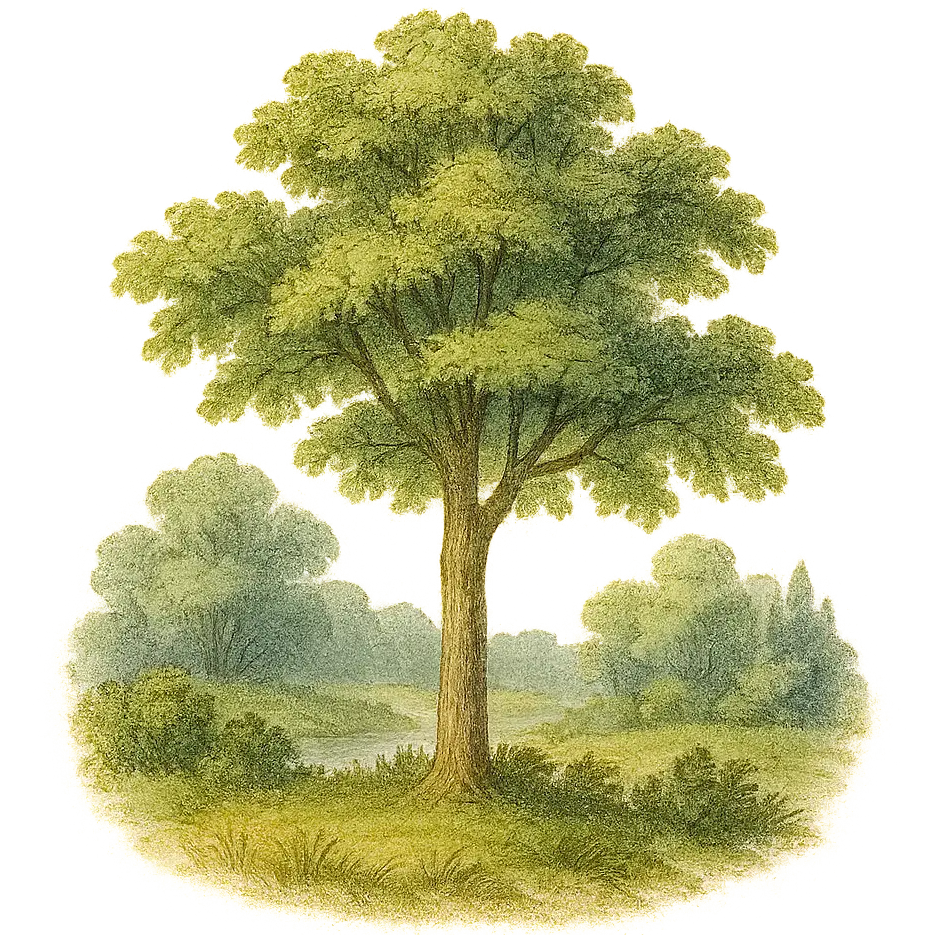
The Spotted Dove is found across a range of habitats including woodland, scrub, farmland and close to human settlements. Preferring drier climates, these birds are known to forage for seeds and grain on the ground or on low vegetation.
Courtship Display: The male gives a loud, rhythmic cooing call to attract a mate. Spotted Doves form long-term pairs (monogamous) and stay close to each other throughout the year.
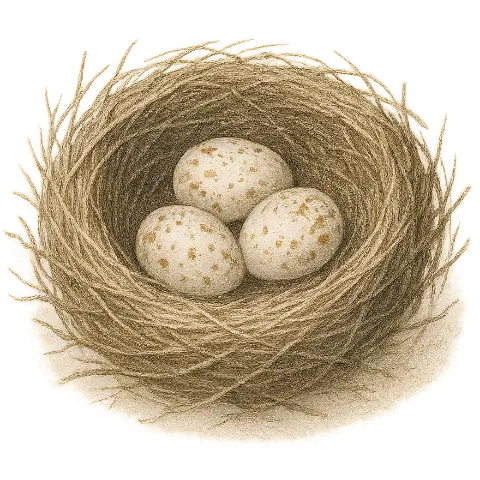
Nest: A simple, loosely made platform of twigs and roots. It is usually placed in trees, bushes, climbing plants or sometimes on building ledges near people. The nest is just sturdy enough to support the eggs and chicks.
Clutch Size: ~ 2 eggs. Both parents care for the chicks. They feed them with "pigeon milk" a soft, highly nutritious substance produced in their crop (a food-storage pouch in the throat). This special food helps the chicks grow quickly.