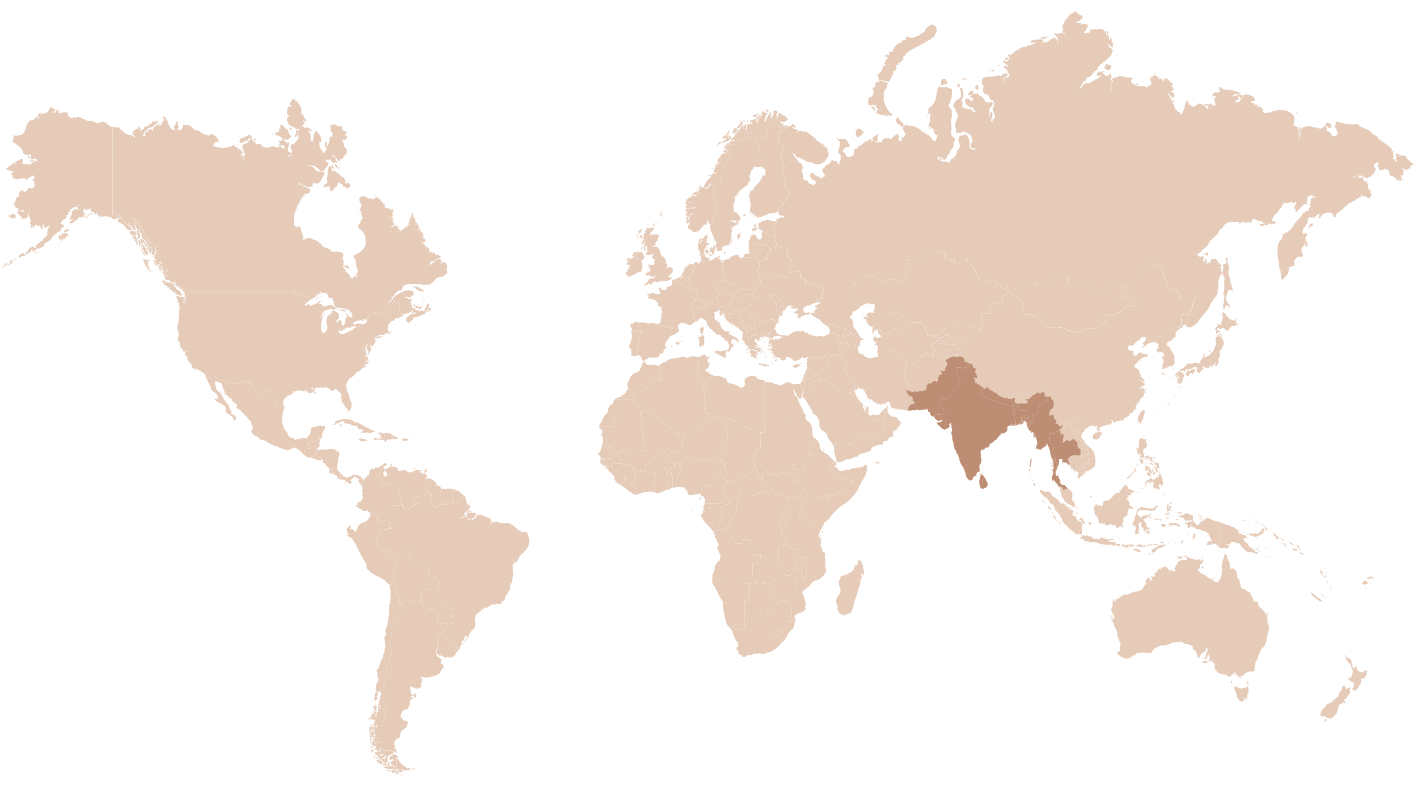
IUCN RED LIST
Established in 1964, The IUCN Red List is a critical indicator of the health of the world’s biodiversity. Species are classified by the IUCN Red List into nine groups, through criteria such as rate of decline, population size and area of geographic distribution as:
- Extinct (EX) – This species is no longer extant
- Extinct in the wild (EW) – Survives only in captivity, or through cultivation often outside native range
- Critically endangered (CR) – In an extremely critical state
- Endangered (EN) – Very high risk of extinction in the wild
- Vulnerable (VU) – At high risk of unnatural (human-caused) extinction
- Near Threatened (NT) – Close to being endangered in the near future
- Least Concern (LC) – Widespread and abundant in the wild
- Data Deficient (DD) – Inadequate information to assess extinction risk
- Not Evaluated (NE) – Has not yet been assessed






Spotted Owlets are small, rounded owls with brownish-grey feathers covered in many white spots on the head, back and wings. The underparts are pale with brown streaks. They have large, forward-facing yellow eyes and white eyebrow markings that give them an alert, expressive look. The tail is short and banded and the facial disc is less noticeable than in larger owls. Males and females look alike, though females are usually slightly bigger. Young birds or juveniles are duller with softer markings.
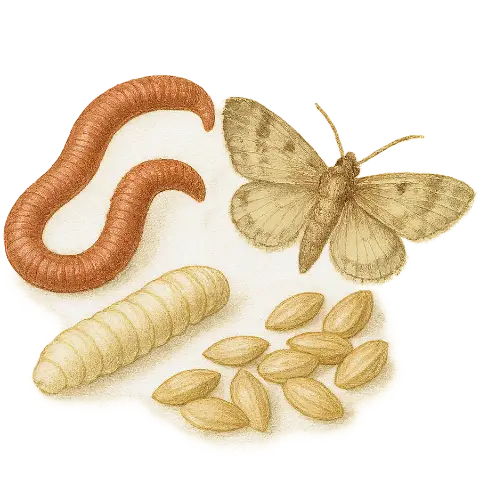
The Spotted Owlet feeds mainly on insects such as beetles, grasshoppers, crickets and moths, along with small rodents, frogs, lizards and occasionally small birds. It is a nocturnal and crepuscular hunter, most active during dusk and early night, though it may also hunt at dawn or sometimes in daylight. The bird usually watches from a perch, using keen eyesight and sharp hearing to detect prey in low light before swooping silently to capture it with its talons. It often hunts in open areas, farmlands and near human settlements and may store extra food in tree cavities or crevices.

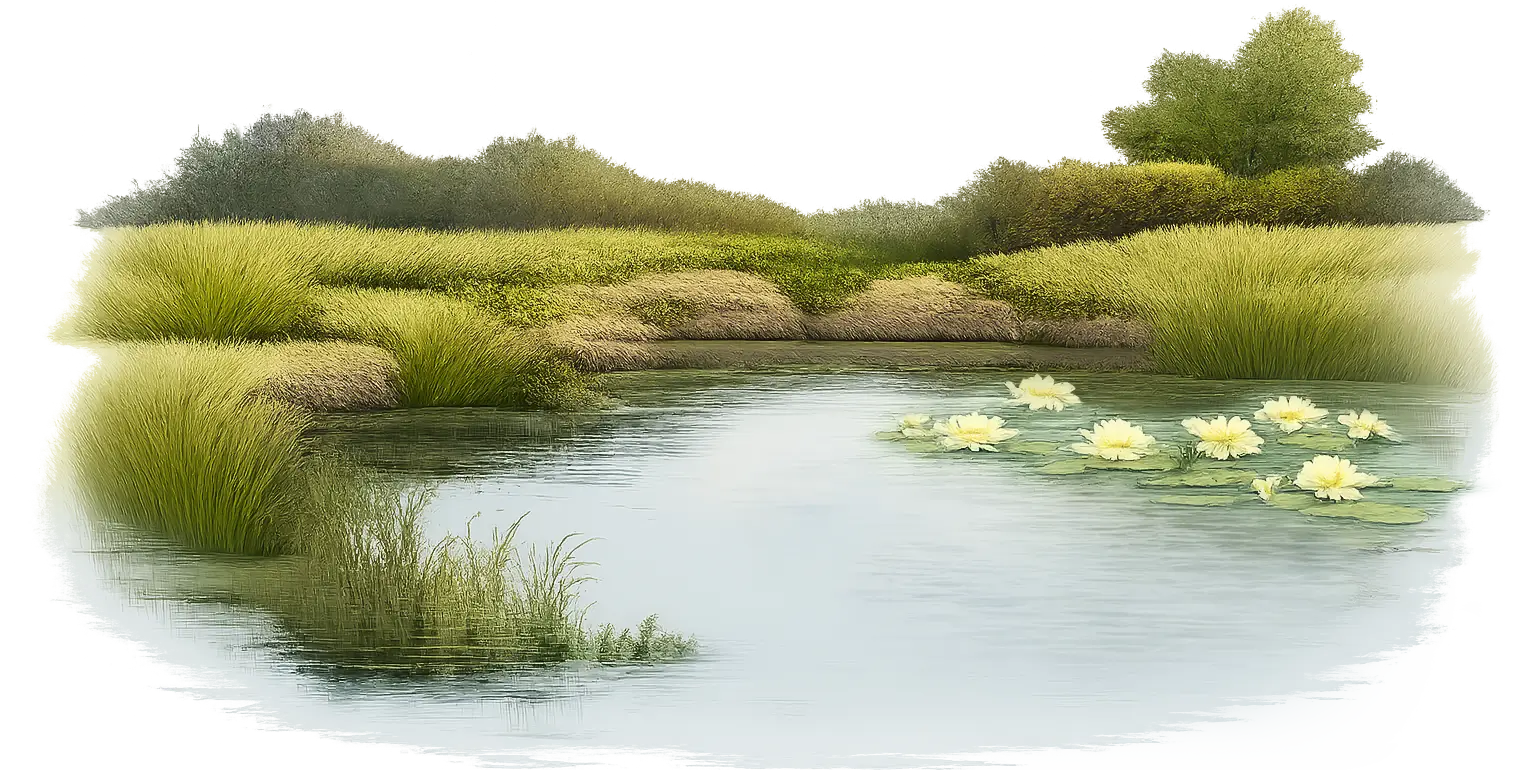
The Spotted Owlet can be found in a variety of habitats such as the open countryside, agricultural fields, villages or chards and urban gardens. Unlike many other owls, it has adapted well to human presence and often roosts in tree holes, building crevices and abandoned structures. It prefers dry, open areas rather than dense forests or high mountain regions.
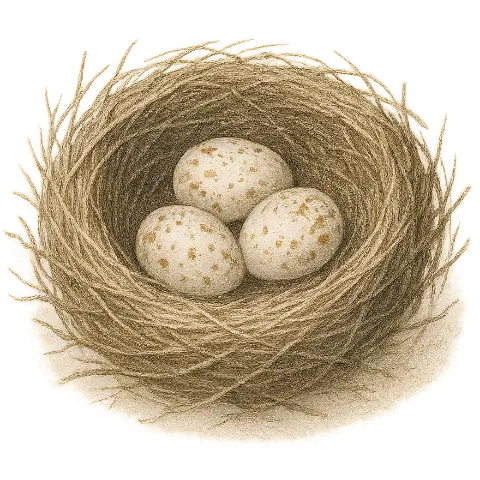
Nest: Spotted Owlets choose ready-made spaces like tree hollows, old buildings or holes in walls to nest. The eggs are laid directly on the floor of the cavity. This hidden location keeps the eggs and chicks protected from predators.
Clutch Size: 3 to 5 white, round eggs. The female incubates them for about 28 to 30 days, while the male brings food to her. Both parents feed the chicks. Young owlets leave the nest after around four weeks but often remain close to their parents for some time before becoming fully independent.