IUCN RED LIST
Established in 1964, The IUCN Red List is a critical indicator of the health of the world’s biodiversity. Species are classified by the IUCN Red List into nine groups, through criteria such as rate of decline, population size and area of geographic distribution as:
- Extinct (EX) – This species is no longer extant
- Extinct in the wild (EW) – Survives only in captivity, or through cultivation often outside native range
- Critically endangered (CR) – In an extremely critical state
- Endangered (EN) – Very high risk of extinction in the wild
- Vulnerable (VU) – At high risk of unnatural (human-caused) extinction
- Near Threatened (NT) – Close to being endangered in the near future
- Least Concern (LC) – Widespread and abundant in the wild
- Data Deficient (DD) – Inadequate information to assess extinction risk
- Not Evaluated (NE) – Has not yet been assessed





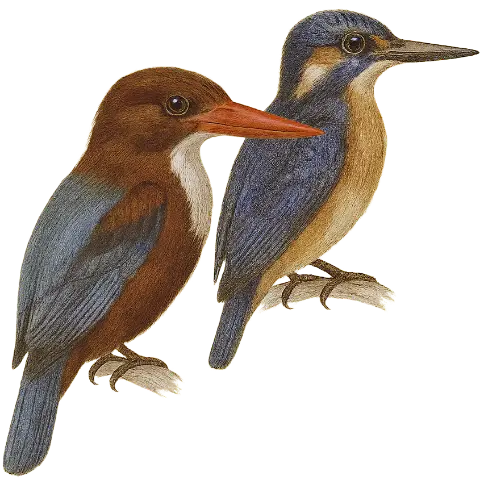




Tickell's Blue Flycatchers are colourful, active birds. The male has a bright blue head, back and wings, with a rich orange throat and chest and a clean whitish belly. The female is duller, with bluish-olive upperparts and a softer orange breast and white belly. The bill and legs are blackish. Young birds or juveniles are brownish with faint spotting on the upperparts and show only slight bluish tones on the wings and tail until they mature.
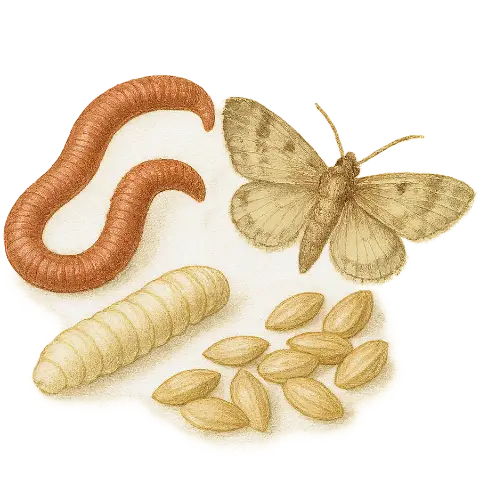
Tickell's Blue Flycatcher feeds mainly on flies, beetles, caterpillars and other small arthropods. It is an active and agile forager, commonly seen in shady forest interiors, wooded gardens and near streams. The bird hunts using a perch-and-sally technique, watching from a low or mid-level perch, then making short, rapid flights to catch insects mid-air or picking them off foliage. During non-breeding seasons, it may also consume small berries. Its quick, darting movements make it an efficient hunter in dense vegetation.
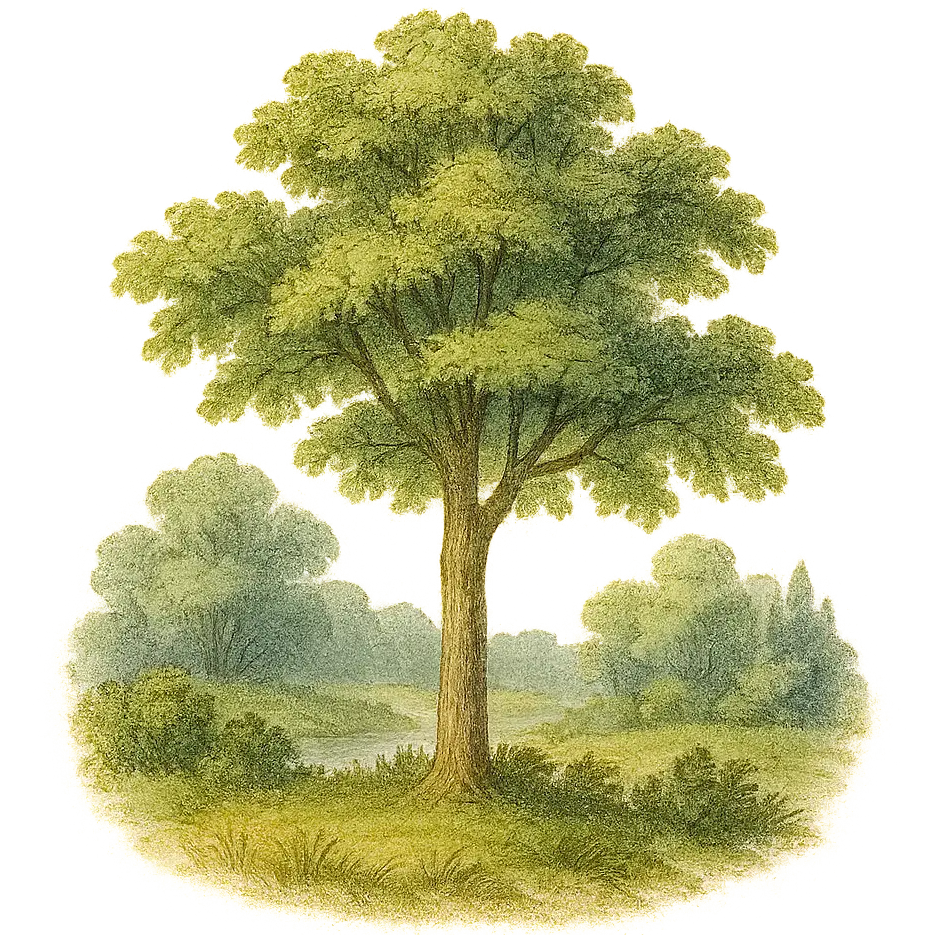
The Tickell's Blue Flycatcher inhabits evergreen and deciduous forests, bamboo groves, wooded gardens and forest edges, typically preferring areas close to water bodies. It is commonly observed in shady undergrowth and low forest canopies up to elevations of 1,500 m.
Courtship Display: The male often sings near the nesting area to attract a mate and protect his territory.
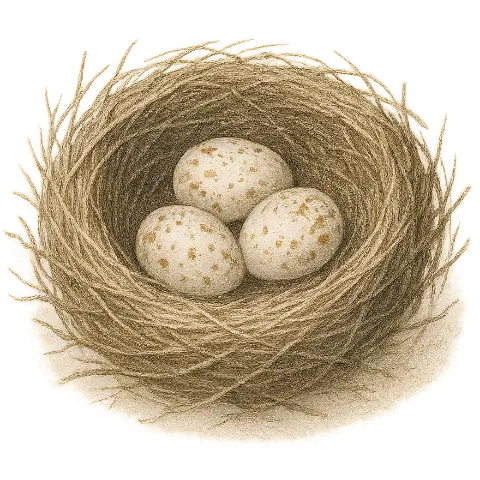
Nest: A neat cup-shaped nest is made from moss, roots and fine grasses in sheltered locations like tree hollows, natural cracks in wood or rocks or on the sides of protected banks. These hidden sites help keep the eggs safe from predators.
Clutch Size: 3 to 5 eggs. The eggs are pale greenish or bluish-white with tiny reddish spots. Both parents take turns incubating the eggs and feeding the chicks once they hatch.