IUCN RED LIST
Established in 1964, The IUCN Red List is a critical indicator of the health of the world’s biodiversity. Species are classified by the IUCN Red List into nine groups, through criteria such as rate of decline, population size and area of geographic distribution as:
- Extinct (EX) – This species is no longer extant
- Extinct in the wild (EW) – Survives only in captivity, or through cultivation often outside native range
- Critically endangered (CR) – In an extremely critical state
- Endangered (EN) – Very high risk of extinction in the wild
- Vulnerable (VU) – At high risk of unnatural (human-caused) extinction
- Near Threatened (NT) – Close to being endangered in the near future
- Least Concern (LC) – Widespread and abundant in the wild
- Data Deficient (DD) – Inadequate information to assess extinction risk
- Not Evaluated (NE) – Has not yet been assessed




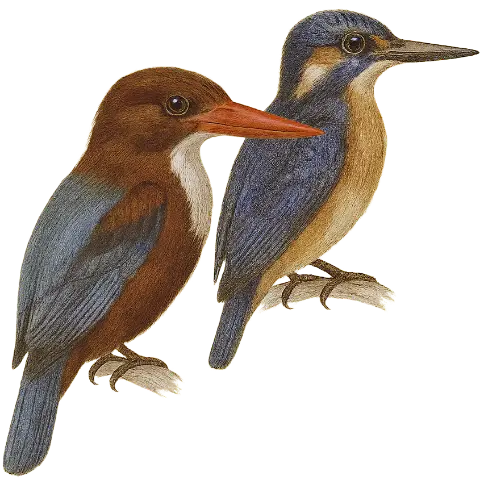



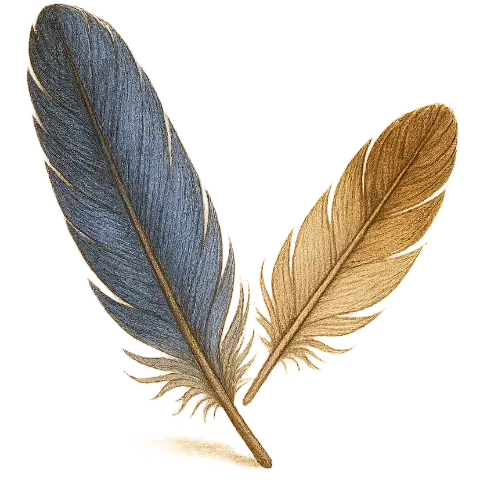
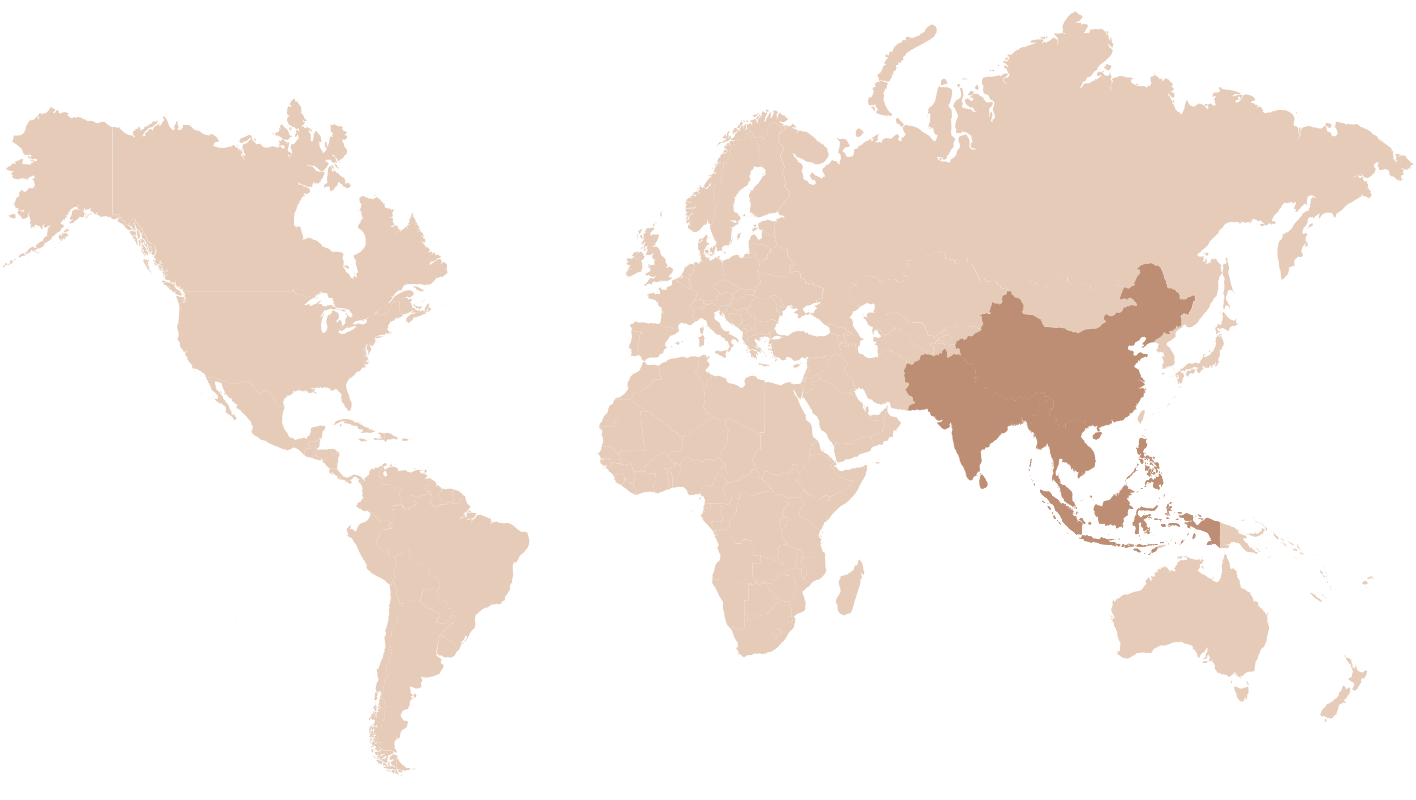
White Breasted Waterhens are easy to recognise because of their bold colour contrast. They have slate-grey upperparts and a pure white face, throat and breast. The feathers under the tail are chestnut-brown, adding a warm splash of colour. Their bill is greenish-yellow and the legs and feet are bright yellowish-green. Males and females look alike, though males may be slightly larger. Young birds or juveniles are duller, with brownish-grey upperparts and pale grey underparts and they gradually gain the clean adult pattern as they mature.
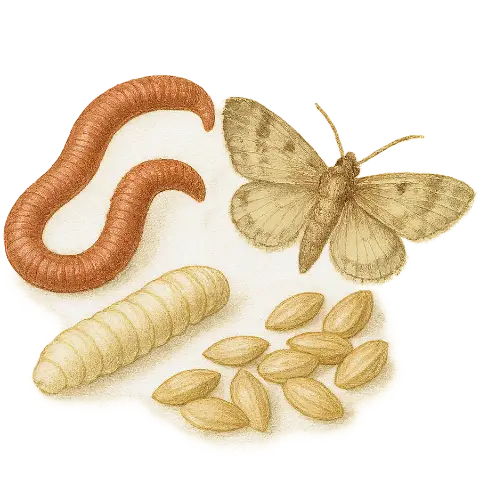
The White Breasted Waterhen feeds on a mix of invertebrates, small aquatic animals and plant matter. Its diet includes insects, worms, mollusks, crustaceans, seeds, grains and small fish. It is an active and opportunistic forager, walking along the edges of wetlands, marshes, ponds and paddy fields while probing shallow water and mud with its bill. The bird may also scratch through soil or leaf litter to uncover prey, flicking its tail as it moves across floating vegetation or soft ground. This flexible feeding style helps it thrive in a wide range of wetland habitats.
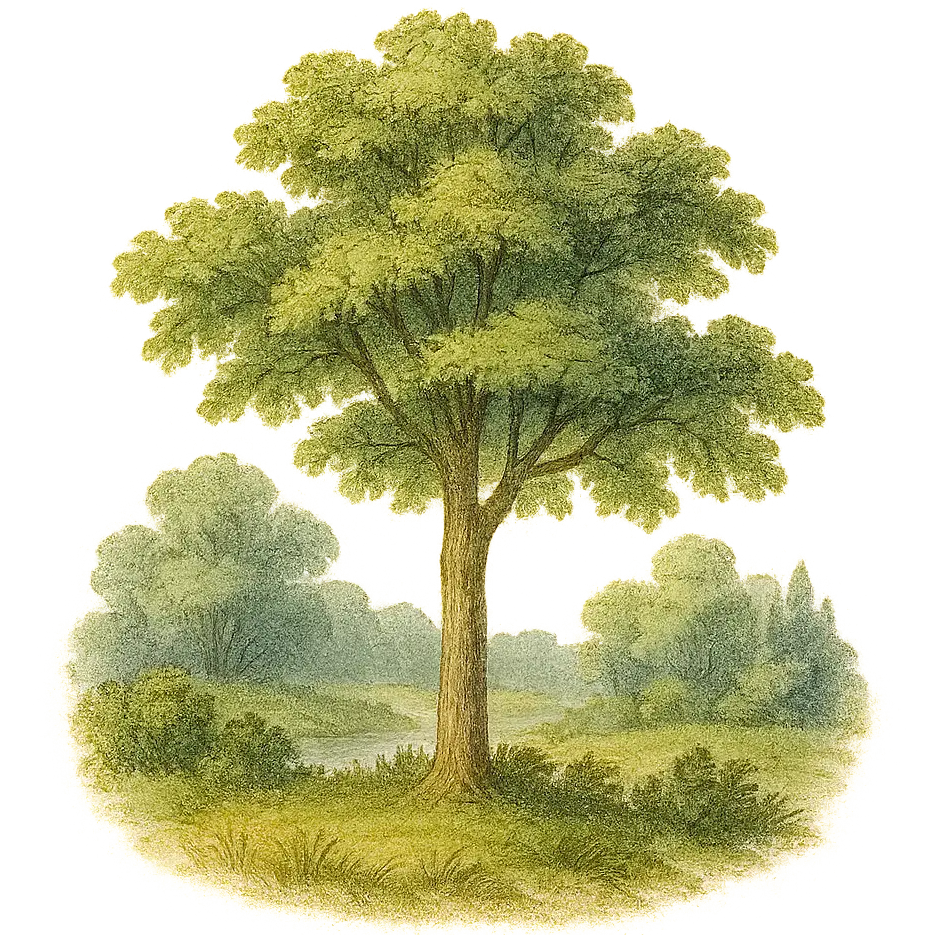
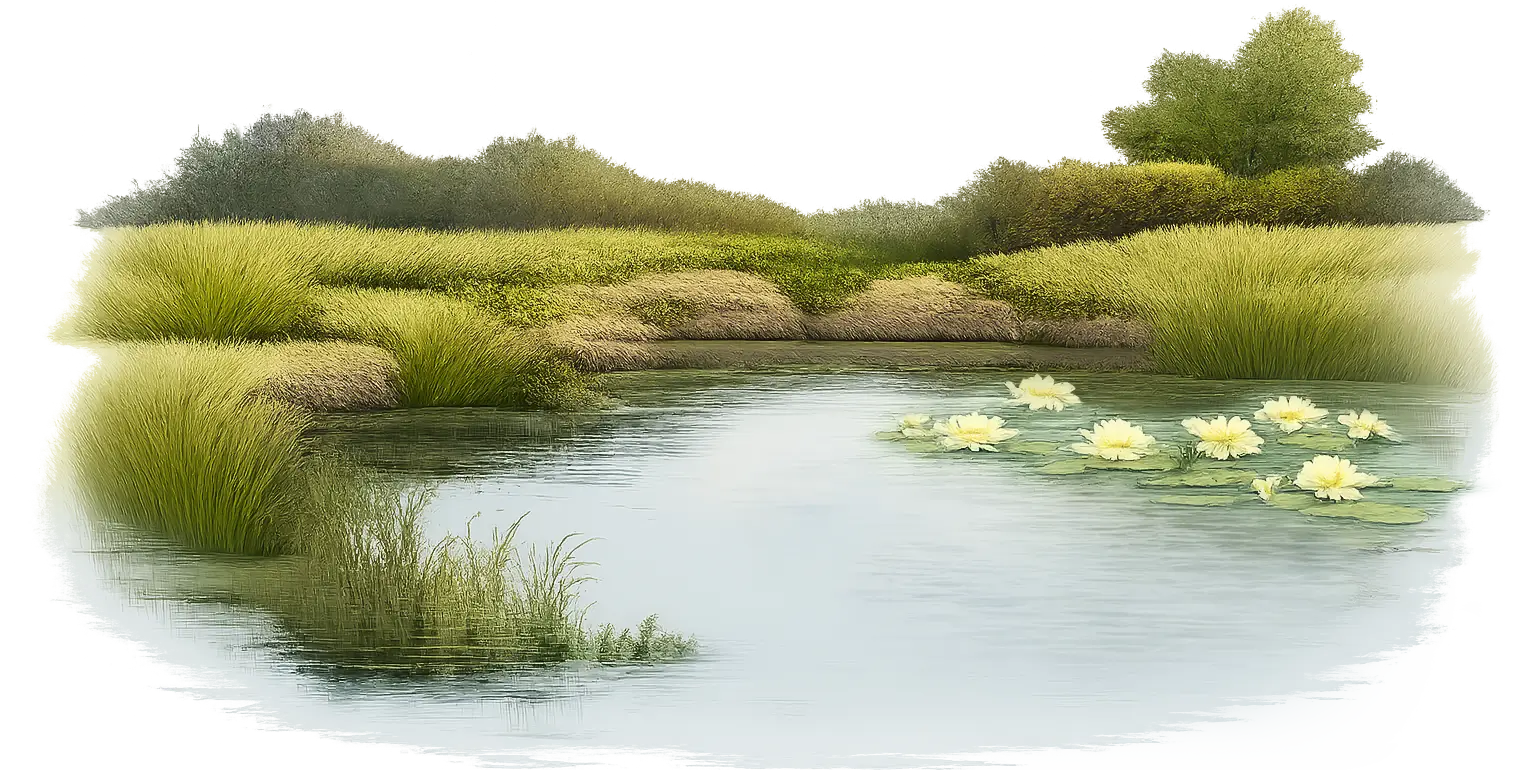
The White Breasted Waterhen loves freshwater wetlands, marshes, ponds, rice paddies, mangroves and drainage canals, favoring areas with dense vegetation near shallow water. These birds have adapted well to human-altered landscapes and are often seen near village ponds and in agricultural fields.
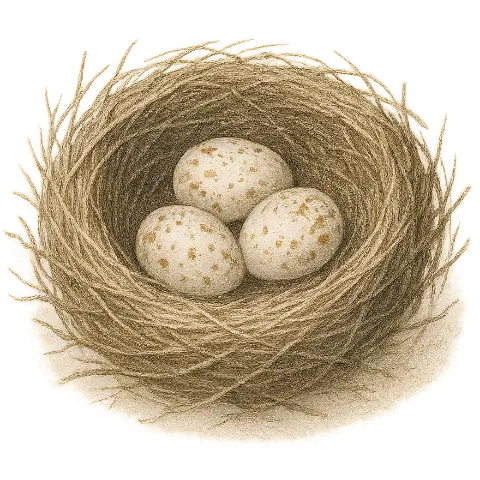
Nest: A cup-shaped nest is made from reeds, grasses and other wetland plants. It is well-hidden among thick reeds or shrubs close to water and sometimes even built on floating vegetation. This keeps the nest safe and close to feeding areas.
Clutch Size: 5 to 8 creamy-white eggs with brown speckles. Both parents incubate the eggs for around 19 to 20 days. The chicks are precocial which means they hatch with downy feathers and can swim and walk shortly after emerging. Both parents guard and feed them as they grow.