
IUCN RED LIST
Established in 1964, The IUCN Red List is a critical indicator of the health of the world’s biodiversity. Species are classified by the IUCN Red List into nine groups, through criteria such as rate of decline, population size and area of geographic distribution as:
- Extinct (EX) – This species is no longer extant
- Extinct in the wild (EW) – Survives only in captivity, or through cultivation often outside native range
- Critically endangered (CR) – In an extremely critical state
- Endangered (EN) – Very high risk of extinction in the wild
- Vulnerable (VU) – At high risk of unnatural (human-caused) extinction
- Near Threatened (NT) – Close to being endangered in the near future
- Least Concern (LC) – Widespread and abundant in the wild
- Data Deficient (DD) – Inadequate information to assess extinction risk
- Not Evaluated (NE) – Has not yet been assessed





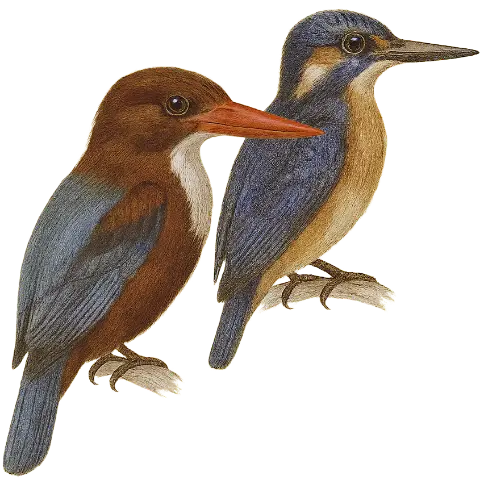




White browed Fantails are lively birds that often fan their long tails while they move about. They have dark brown upperparts, a broad white eyebrow or supercilium and a dark face mask that gives them a sharp, contrasting look. The underparts are white with dark streaks across the breast. The long tail spreads into a fan and is dark brown with bold white tips, which is easy to see when the bird displays. Males and females look the same, while young birds or juveniles are duller and may show a more buff-coloured eyebrow.
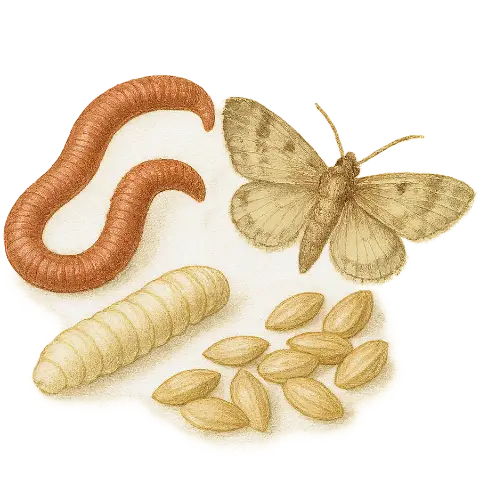
The White browed Fantail Flycatcher feeds mainly on small flying insects such as flies, mosquitoes, ants and beetles. It is an active and agile hunter, usually foraging alone or in pairs in open woodlands, gardens and forest edges. The bird uses the aerial "sallying" technique which involves making short, swift flights from a perch to catch insects mid-air. It also gleans insects from leaves, branches and bark. While feeding, it constantly flicks and fans its tail, a behavior that may help flush hidden insects from foliage. Feeding is most active during the morning and late afternoon when insect movement is highest.

The preferred habitats of the White browed Fantail Flycatcher include open forests, bamboo groves, scrublands, mangroves, gardens and wooded urban areas. These birds thrive in both lowlands and foothills up to about 2,000 m and favors humid and well-vegetated environments, especially near water bodies.
Courtship Display: The male performs short flights, spreads his tail like a fan and sings softly to impress the female. These displays also help show his strength and territory.
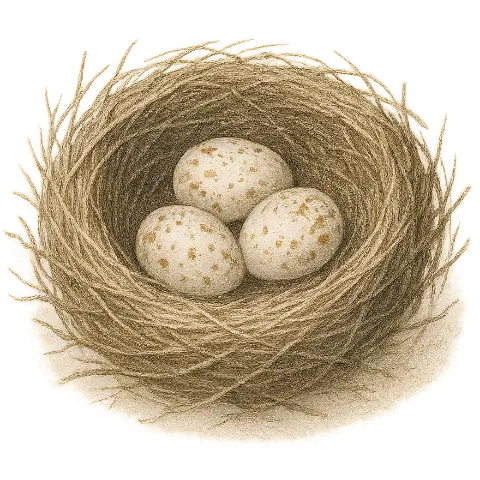
Nest: A small, tidy cup-shaped nest is made from fine grasses, roots and plant fibers, held together with spider silk. It is placed on an open but secure horizontal branch or at the point where two branches meet. The exposed position allows good visibility to spot danger.
Clutch Size: 2 to 3 whitish eggs with brown or gray spots. Both parents take turns incubating and later feed the chicks mainly with small insects. They are very alert near the nest and may chase away intruders to protect their young.