IUCN RED LIST
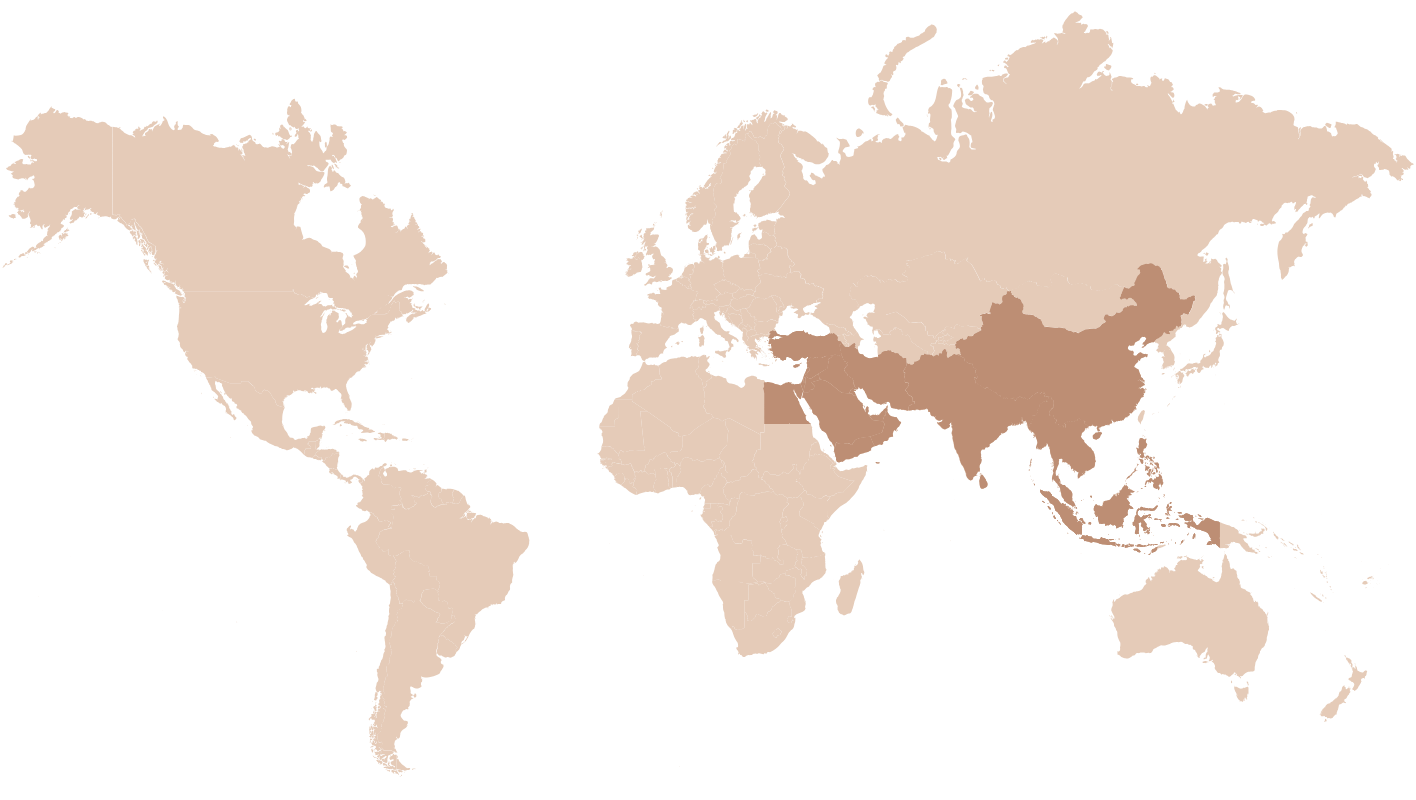
Established in 1964, The IUCN Red List is a critical indicator of the health of the world’s biodiversity. Species are classified by the IUCN Red List into nine groups, through criteria such as rate of decline, population size and area of geographic distribution as:
- Extinct (EX) – This species is no longer extant
- Extinct in the wild (EW) – Survives only in captivity, or through cultivation often outside native range
- Critically endangered (CR) – In an extremely critical state
- Endangered (EN) – Very high risk of extinction in the wild
- Vulnerable (VU) – At high risk of unnatural (human-caused) extinction
- Near Threatened (NT) – Close to being endangered in the near future
- Least Concern (LC) – Widespread and abundant in the wild
- Data Deficient (DD) – Inadequate information to assess extinction risk
- Not Evaluated (NE) – Has not yet been assessed










White Throated Kingfishers have a bright blue back, wings and tail, while the head, shoulders, sides and lower belly are rich chestnut-brown. The throat and breast are clean white, making a strong contrast against the darker feathers. The bill is large and bright red and the legs are also red. Males and females look alike, while young birds or juveniles are slightly duller with less intense colour.
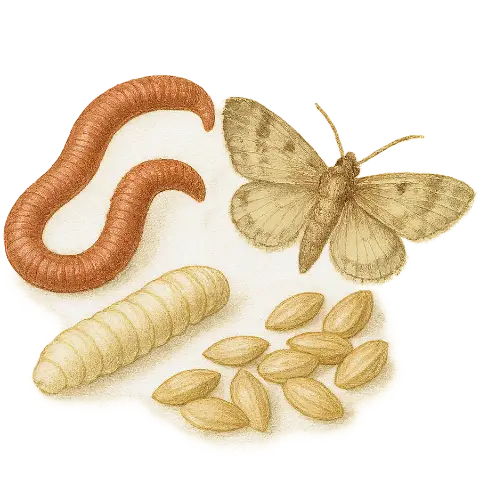
The White Throated Kingfisher feeds on a wide range of prey including insects such as grasshoppers, beetles and termites, as well as crustaceans, earthworms, frogs, lizards, rodents and even small birds. Though known as a kingfisher, it is not limited to water habitats. It hunts effectively on land and only catches fish when near suitable water bodies. The bird usually hunts from a perch, watching carefully for movement below before making a swift dive or direct swoop to seize prey with its strong bill. After catching its prey, it typically beats it against a hard surface to kill or immobilize it before swallowing. Feeding activity is often highest in the early morning and late afternoon.

White Throated Kingfishers are common in agricultural areas, swamps, marshes, near ponds, lakes, in parklands and in mangrove swamps. Area surrounding water bodies are the main habitat of these birds.
Courtship Display: White Throated Kingfishers usually live alone. During the breeding season, they form pairs. The male gives loud, sharp mating calls to attract a female.
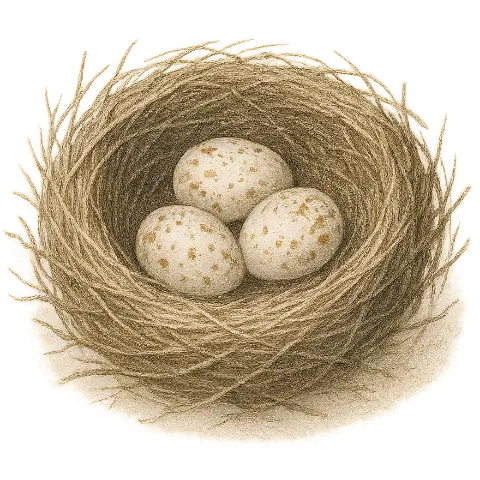
Nest: They dig a tunnel-like nest in mud banks along rivers or lakes. They may also nest in forest areas or even in urban gardens if suitable soil banks or holes are available. The tunnel leads to a small chamber where the eggs are laid.
Clutch Size: 4 to 7 eggs.