
IUCN RED LIST
Established in 1964, The IUCN Red List is a critical indicator of the health of the world’s biodiversity. Species are classified by the IUCN Red List into nine groups, through criteria such as rate of decline, population size and area of geographic distribution as:
- Extinct (EX) – This species is no longer extant
- Extinct in the wild (EW) – Survives only in captivity, or through cultivation often outside native range
- Critically endangered (CR) – In an extremely critical state
- Endangered (EN) – Very high risk of extinction in the wild
- Vulnerable (VU) – At high risk of unnatural (human-caused) extinction
- Near Threatened (NT) – Close to being endangered in the near future
- Least Concern (LC) – Widespread and abundant in the wild
- Data Deficient (DD) – Inadequate information to assess extinction risk
- Not Evaluated (NE) – Has not yet been assessed

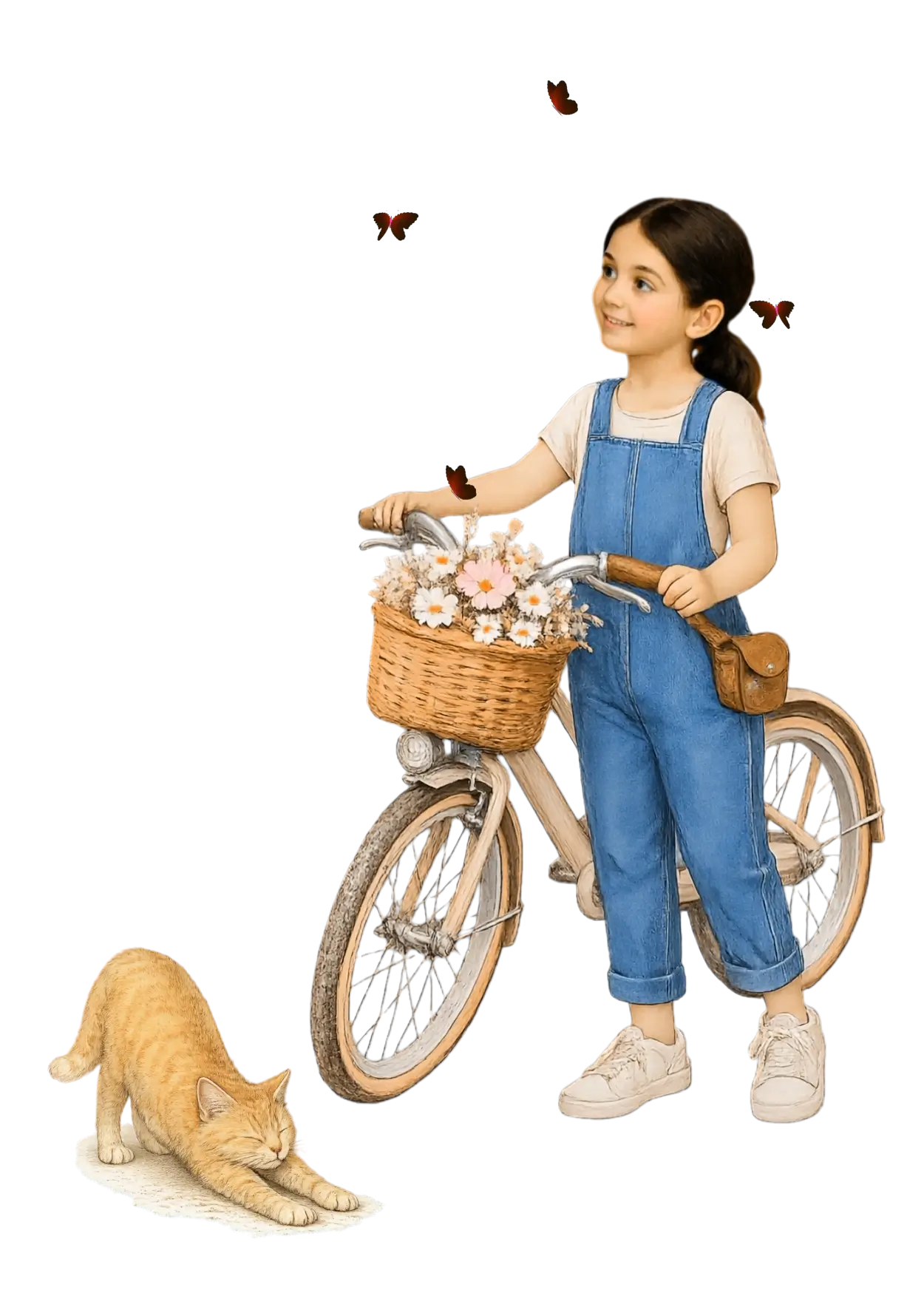


The wings are dark brown to black with numerous pale bluish-white spots and streaks arranged in distinctive patterns. The underside closely resembles the upper side but is generally lighter.
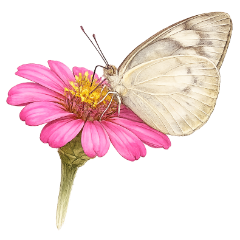
The Blue Tiger is a slow and graceful flyer, often gliding between shrubs and trees. It is commonly seen visiting flowers for nectar and is especially abundant during the monsoon and post-monsoon seasons. Large congregations may form during migratory movements.

The Blue Tiger is well known for its seasonal migratory behavior. In parts of India, especially along the Western Ghats and southern peninsular regions, large numbers undertake local and regional migrations associated with monsoon patterns and resource availability.

Females lay eggs singly on host plants, mainly species of Tylophora, Hoya, and Marsdenia (family Apocynaceae). Breeding occurs throughout the year in tropical regions, with peak activity often observed during and after the monsoon season.
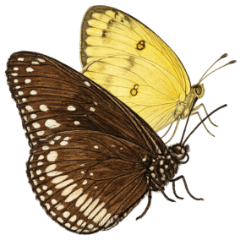
The caterpillars accumulate toxic compounds from their host plants, making both larvae and adults distasteful to predators. Their warning coloration signals unpalatability, while their slow, confident flight reflects their reduced vulnerability to predation.
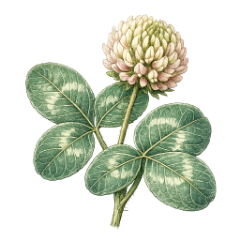
Adult butterflies feed on nectar from a wide variety of flowering plants. Males are particularly attracted to certain plants containing pyrrolizidine alkaloids, which provide chemical compounds used for defense and reproduction. Caterpillars feed on leaves of host plants belonging mainly to the Apocynaceae family.

The Blue Tiger occurs in forests, woodland edges, scrublands, gardens, parks, agricultural landscapes, and urban green spaces.