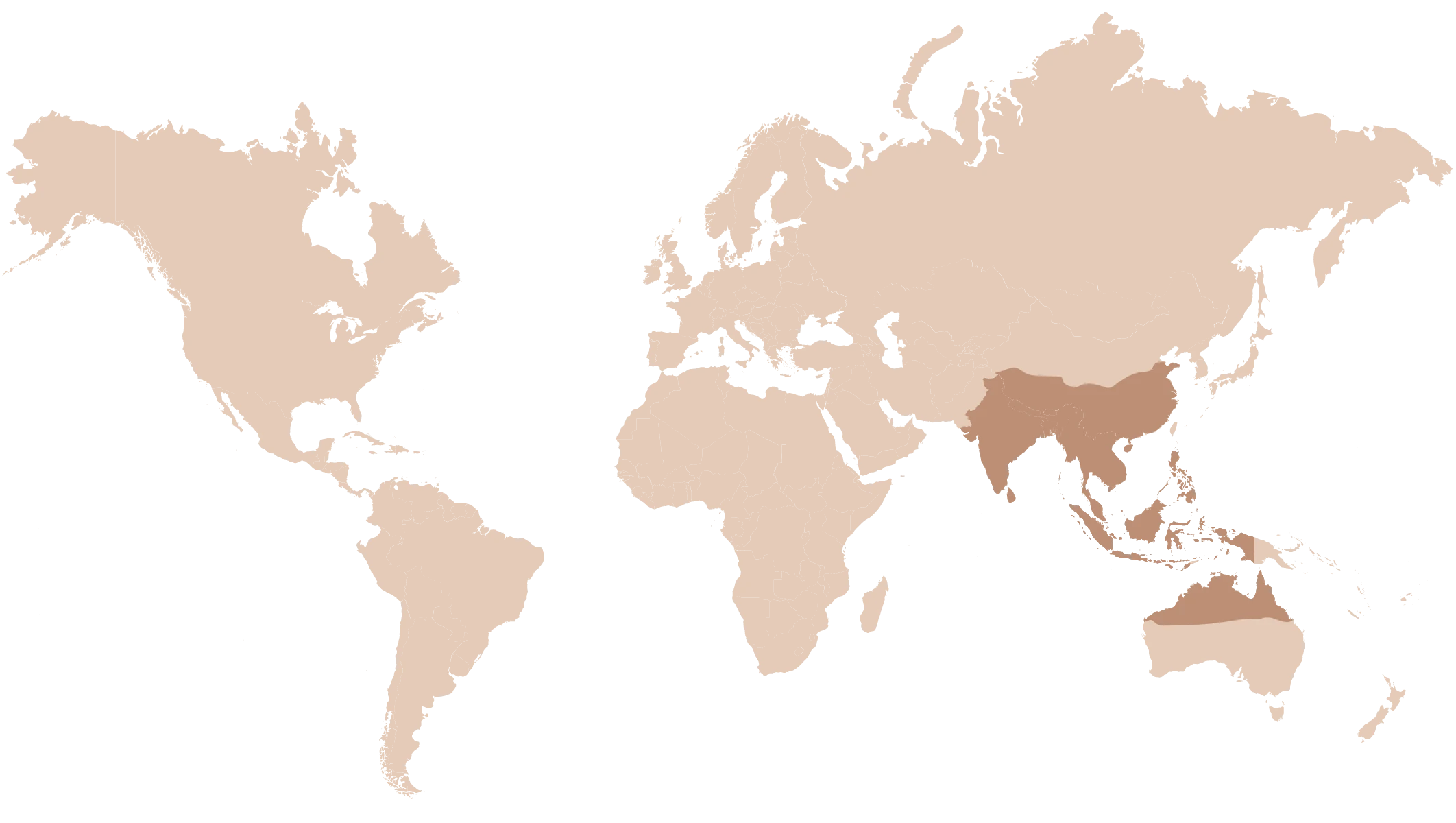
IUCN RED LIST
Established in 1964, The IUCN Red List is a critical indicator of the health of the world’s biodiversity. Species are classified by the IUCN Red List into nine groups, through criteria such as rate of decline, population size and area of geographic distribution as:
- Extinct (EX) – This species is no longer extant
- Extinct in the wild (EW) – Survives only in captivity, or through cultivation often outside native range
- Critically endangered (CR) – In an extremely critical state
- Endangered (EN) – Very high risk of extinction in the wild
- Vulnerable (VU) – At high risk of unnatural (human-caused) extinction
- Near Threatened (NT) – Close to being endangered in the near future
- Least Concern (LC) – Widespread and abundant in the wild
- Data Deficient (DD) – Inadequate information to assess extinction risk
- Not Evaluated (NE) – Has not yet been assessed



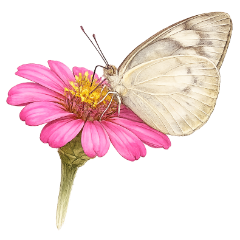
Males have bright pale blue to violet-blue upper wings bordered by narrow dark margins, while females are generally darker with reduced blue coloration. The underside is pale greyish-white with fine brown bands and spots, along with delicate tail-like extensions on the hindwings.
The Common Cerulean is a small, active butterfly with a swift and erratic flight. It is frequently seen fluttering around flowering shrubs and low vegetation. Adults often rest with their wings closed, displaying the intricate underside patterns. Males are territorial and may engage in aerial chases with rivals.

The Common Cerulean is primarily a resident species and is not known to undertake long-distance migrations. Local seasonal dispersal may occur in response to rainfall, flowering cycles, and host plant availability.
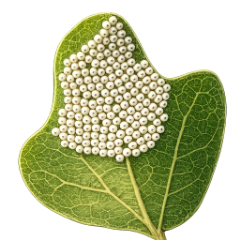
Females lay eggs singly on flower buds, young shoots, and leaves of host plants, primarily members of the family Fabaceae. Breeding occurs throughout the year in tropical regions, with population peaks often observed during and after the monsoon season.
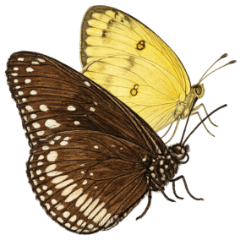
The delicate hindwing tails and markings create a "false head" effect that helps divert predator attacks away from the butterfly's real head. The brilliant blue upper wings aid in mate recognition, while the cryptic underside provides camouflage when resting. Ant associations enhance larval survival.
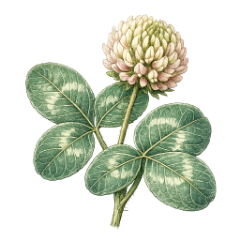
Adults feed mainly on flower nectar and occasionally obtain minerals from damp soil. Caterpillars feed on flower buds, flowers, seeds, and young foliage of host plants. Larvae are frequently attended by ants, which protect them in exchange for sugary secretions.
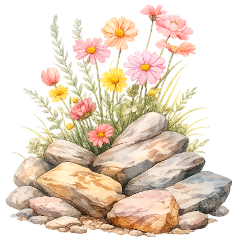
The Common Cerulean inhabits tropical and subtropical forests, forest edges, scrublands, grasslands, gardens, parks, agricultural fields, mangrove fringes, and urban green spaces.