IUCN RED LIST
Established in 1964, The IUCN Red List is a critical indicator of the health of the world’s biodiversity. Species are classified by the IUCN Red List into nine groups, through criteria such as rate of decline, population size and area of geographic distribution as:
- Extinct (EX) – This species is no longer extant
- Extinct in the wild (EW) – Survives only in captivity, or through cultivation often outside native range
- Critically endangered (CR) – In an extremely critical state
- Endangered (EN) – Very high risk of extinction in the wild
- Vulnerable (VU) – At high risk of unnatural (human-caused) extinction
- Near Threatened (NT) – Close to being endangered in the near future
- Least Concern (LC) – Widespread and abundant in the wild
- Data Deficient (DD) – Inadequate information to assess extinction risk
- Not Evaluated (NE) – Has not yet been assessed



A small brown butterfly identified by its prominent yellow-ringed black eyespots (ocelli). The forewing typically bears one large conspicuous ocellus; the hindwing carries several smaller ones arranged in a row, giving the species its common name. The underside is paler, with fine brown striations and transverse bands. Seasonal variation is pronounced: dry-season individuals are generally paler with reduced ocelli.
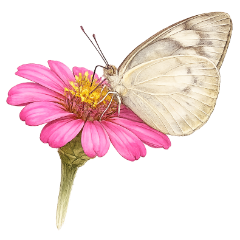
A weak, somewhat erratic flyer that stays close to the ground, moving through grasses and low vegetation and basking on leaves or leaf litter. Unusually for a butterfly, it can remain active under cloudy conditions and even during light rain.

The Common Five-ring is considered primarily resident, although local movements may occur between grassy habitat patches in response to seasonal conditions.

Females deposit eggs on or near grasses that serve as larval host plants. Multiple broods occur in favourable tropical conditions. Mating takes place within suitable grassy habitats.
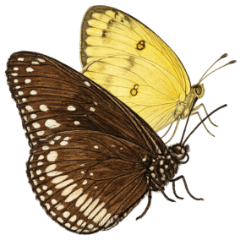
Dull brown colouration and fine underside striations provide effective camouflage among grasses and dry vegetation. Conspicuous eyespots may startle or confuse predators, or redirect attacks toward the wings rather than the body. Seasonal polyphenism, paler dry-season colouration and reduced ocelli, provides additional adaptation to changing background conditions.
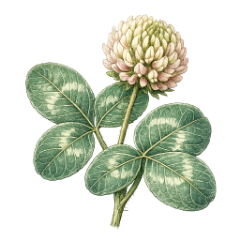
Adults feed mainly on nectar from small flowers. Larvae feed on grasses (Poaceae) including Axonopus, Poa, Echinochloa, Digitaria, Miscanthus and Brachiaria species.

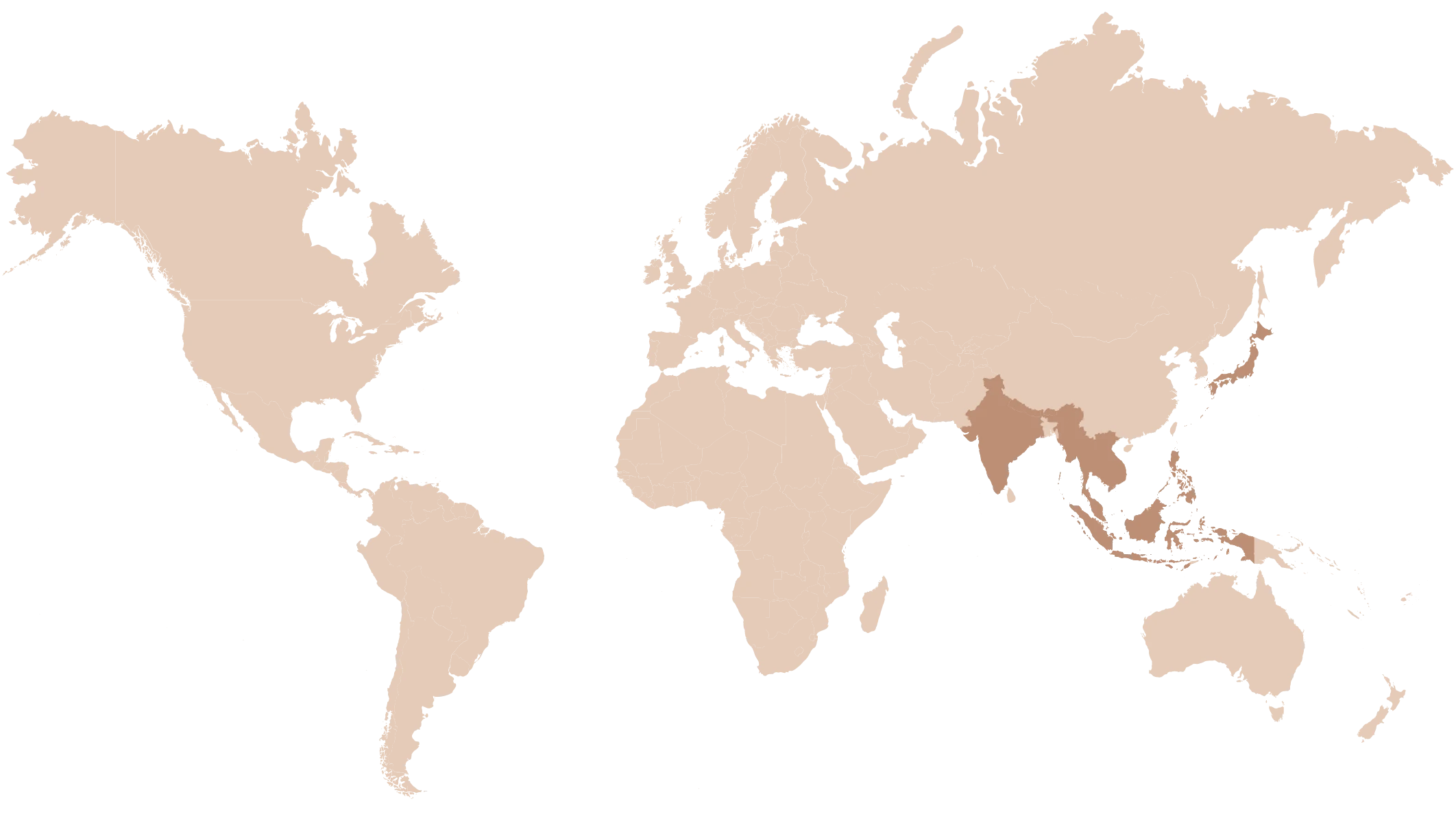
Grassy forest edges, open grasslands, secondary vegetation, woodland margins, roadside vegetation and gardens. Commonly associated with grassy habitats from low to moderate elevations.