IUCN RED LIST
Established in 1964, The IUCN Red List is a critical indicator of the health of the world’s biodiversity. Species are classified by the IUCN Red List into nine groups, through criteria such as rate of decline, population size and area of geographic distribution as:
- Extinct (EX) – This species is no longer extant
- Extinct in the wild (EW) – Survives only in captivity, or through cultivation often outside native range
- Critically endangered (CR) – In an extremely critical state
- Endangered (EN) – Very high risk of extinction in the wild
- Vulnerable (VU) – At high risk of unnatural (human-caused) extinction
- Near Threatened (NT) – Close to being endangered in the near future
- Least Concern (LC) – Widespread and abundant in the wild
- Data Deficient (DD) – Inadequate information to assess extinction risk
- Not Evaluated (NE) – Has not yet been assessed



The wings are dark brown to black with distinct white bands and markings that form a striking contrast. The underside is lighter, displaying similar patterns that aid in species recognition and camouflage.
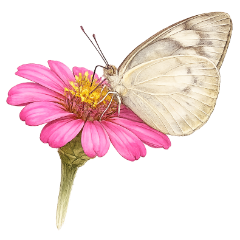
The Common Sailor is a fast and active butterfly known for its characteristic sailing flight, alternating between rapid wing beats and short glides. It often flies close to the ground and is commonly observed resting on leaves, tree trunks, and sunlit pathways. Males are territorial and frequently patrol their preferred habitats.

The Common Sailor is primarily a resident species and does not undertake long-distance migrations. Local seasonal dispersal may occur in response to rainfall, vegetation growth, and habitat conditions.

Females lay eggs singly on host plants, mainly species belonging to the families Fabaceae and Acanthaceae. Breeding occurs throughout the year in tropical regions, with population peaks often observed during the monsoon and post-monsoon seasons.
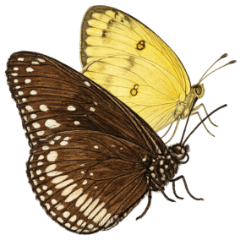
Its distinctive black-and-white wing pattern provides disruptive coloration that can confuse predators during flight. The rapid alternation between flapping and gliding conserves energy while enhancing maneuverability. Caterpillars possess cryptic coloration that helps them blend with foliage.
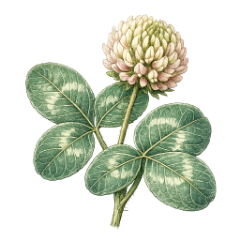
Adult butterflies feed on nectar from a variety of flowering plants. They may also obtain nutrients from damp soil, bird droppings, tree sap, and decaying organic matter. Caterpillars feed primarily on the leaves of host plants, including species of Dalbergia, Desmodium, and related plants.
The Common Sailor inhabits forest edges, secondary forests, woodland clearings, scrublands, riverbanks, gardens, parks, plantations, and urban green spaces.