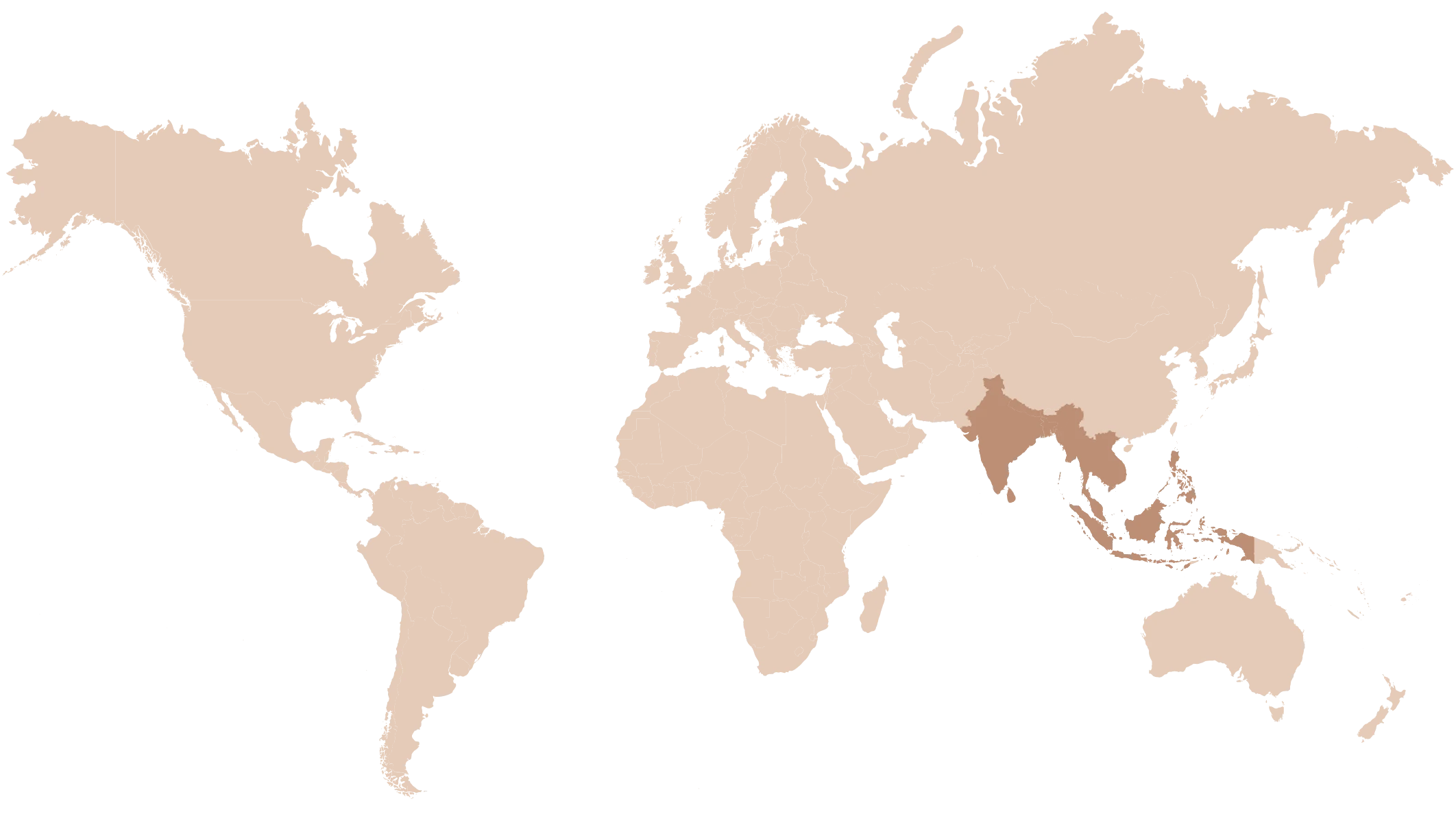
IUCN RED LIST
Established in 1964, The IUCN Red List is a critical indicator of the health of the world’s biodiversity. Species are classified by the IUCN Red List into nine groups, through criteria such as rate of decline, population size and area of geographic distribution as:
- Extinct (EX) – This species is no longer extant
- Extinct in the wild (EW) – Survives only in captivity, or through cultivation often outside native range
- Critically endangered (CR) – In an extremely critical state
- Endangered (EN) – Very high risk of extinction in the wild
- Vulnerable (VU) – At high risk of unnatural (human-caused) extinction
- Near Threatened (NT) – Close to being endangered in the near future
- Least Concern (LC) – Widespread and abundant in the wild
- Data Deficient (DD) – Inadequate information to assess extinction risk
- Not Evaluated (NE) – Has not yet been assessed



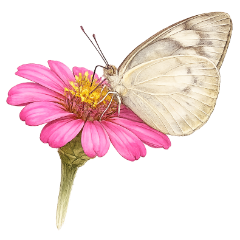
The butterfly has pale bluish-white to creamy wings with black veins and margins. Females may show darker markings and mimic toxic butterfly species for protection. The delicate translucent appearance of the wings gives the butterfly a soft and elegant look.
The Common Wanderer is a graceful and active butterfly known for its slow floating flight. It moves elegantly through forest paths and shaded vegetation, often gliding for long distances. It is commonly observed during sunny hours and frequently visits flowers for nectar.

The Common Wanderer is generally non-migratory, although local seasonal dispersal may occur in response to rainfall and food plant availability.

Breeding mainly occurs during monsoon and post-monsoon seasons. Females lay eggs singly on host plants belonging mainly to the Capparaceae or Brassicaceae family. Caterpillars feed on leaves before pupating on stems or nearby vegetation. Males actively search for females through slow aerial patrols.
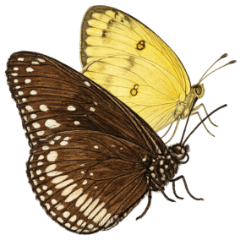
Delicate wing coloration helps blend with forest light and shade. Females exhibit mimicry of toxic butterfly species to avoid predators. Slow gliding flight conserves energy in humid forest habitats. Light wing structure allows smooth movement through dense vegetation.
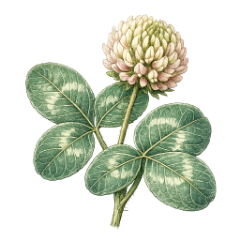
Adult Common Wanderers feed mainly on nectar from flowering plants such as lantana, jasmine, clerodendrum, and ixora. Caterpillars feed primarily on leaves of caper and related host plants.
The Common Wanderer is commonly found in tropical forests, moist deciduous forests, forest edges, plantations, gardens, and shaded riverine habitats. It prefers humid environments with dense vegetation and flowering plants.