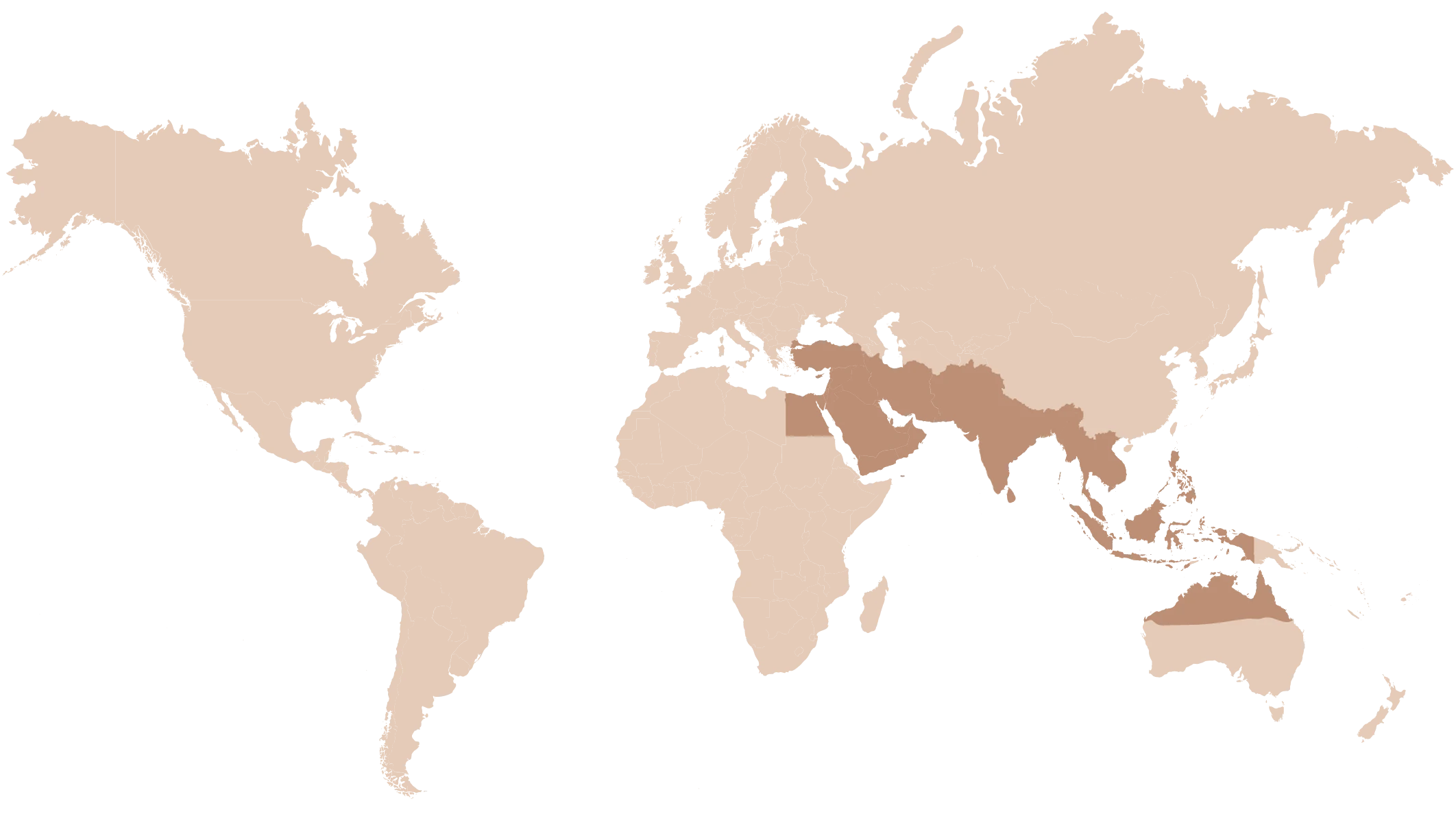
IUCN RED LIST
Established in 1964, The IUCN Red List is a critical indicator of the health of the world’s biodiversity. Species are classified by the IUCN Red List into nine groups, through criteria such as rate of decline, population size and area of geographic distribution as:
- Extinct (EX) – This species is no longer extant
- Extinct in the wild (EW) – Survives only in captivity, or through cultivation often outside native range
- Critically endangered (CR) – In an extremely critical state
- Endangered (EN) – Very high risk of extinction in the wild
- Vulnerable (VU) – At high risk of unnatural (human-caused) extinction
- Near Threatened (NT) – Close to being endangered in the near future
- Least Concern (LC) – Widespread and abundant in the wild
- Data Deficient (DD) – Inadequate information to assess extinction risk
- Not Evaluated (NE) – Has not yet been assessed



The butterfly has black wings beautifully marked with creamy yellow patches and spots. The hindwings feature red and blue eye-like markings near the lower margins. Unlike many swallowtails, the Lime Butterfly lacks long tails on the hindwings. The underside is paler but similarly patterned.
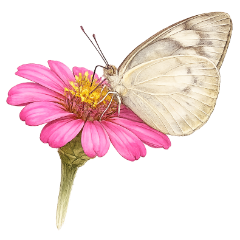
The Lime Butterfly is an active, fast-flying, and highly energetic butterfly. It is commonly seen fluttering around flowering plants and citrus trees. Adults are strong fliers and can travel considerable distances while searching for nectar and breeding sites. It is active throughout sunny daytime hours.

The Lime Butterfly is generally non-migratory, though local seasonal dispersal may occur in response to climate and availability of host plants.

Breeding occurs throughout the year, particularly during warm and humid seasons. Females lay single yellow eggs on leaves of citrus plants such as lime, lemon, and orange. Caterpillars feed on leaves and later pupate attached to stems or branches. Males often patrol territories and actively search for females.
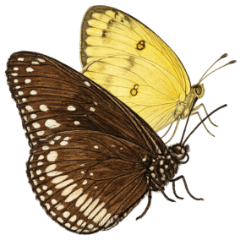
Strong and rapid flight helps escape predators. Caterpillars resemble bird droppings during early stages for camouflage. Older caterpillars possess an orange forked organ called the osmeterium that emits a foul smell to deter predators. Adaptability to urban and agricultural habitats supports widespread survival.

Adult Lime Butterflies feed mainly on nectar from flowers including lantana, jasmine, ixora, and hibiscus. Caterpillars are voracious feeders on citrus leaves and are considered agricultural pests in orchards. Older caterpillars possess an osmeterium, an orange forked organ that emits foul odour to deter predators.

The Lime Butterfly is commonly found in gardens, orchards, agricultural fields, urban parks, scrublands, open forests, and roadside plantations. It adapts well to human settlements, especially areas where citrus plants are cultivated.