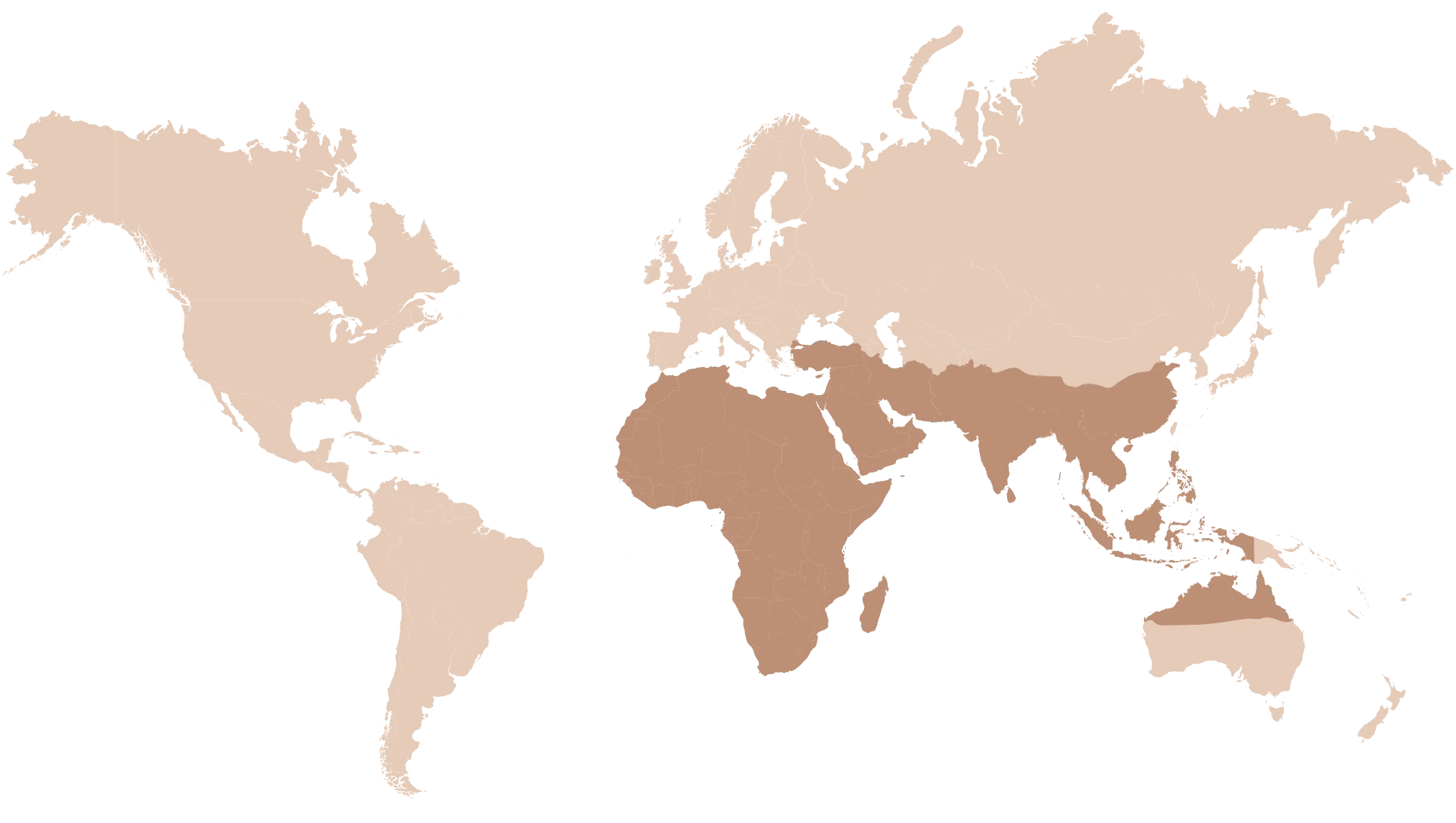
IUCN RED LIST
Established in 1964, The IUCN Red List is a critical indicator of the health of the world’s biodiversity. Species are classified by the IUCN Red List into nine groups, through criteria such as rate of decline, population size and area of geographic distribution as:
- Extinct (EX) – This species is no longer extant
- Extinct in the wild (EW) – Survives only in captivity, or through cultivation often outside native range
- Critically endangered (CR) – In an extremely critical state
- Endangered (EN) – Very high risk of extinction in the wild
- Vulnerable (VU) – At high risk of unnatural (human-caused) extinction
- Near Threatened (NT) – Close to being endangered in the near future
- Least Concern (LC) – Widespread and abundant in the wild
- Data Deficient (DD) – Inadequate information to assess extinction risk
- Not Evaluated (NE) – Has not yet been assessed



The butterfly displays bright orange-brown wings bordered with black margins containing white spots. The forewings are darker near the tips, while the hindwings are lighter orange with distinct black veins. Males possess small black scent patches on the hindwings used during courtship.
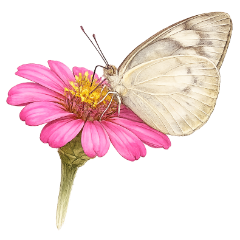
The Plain Tiger is a slow and graceful flyer that glides smoothly with intermittent wing beats. It is commonly observed basking in sunlight or feeding on flowers during the daytime. The butterfly is highly active in warm weather and often occurs in groups during migration or roosting periods.

The Plain Tiger is known for seasonal local migrations and mass movements in several regions of India and Africa. Migration is often associated with rainfall patterns and availability of host plants.

Breeding occurs throughout the year, especially during monsoon and post-monsoon periods. Females lay eggs singly on milkweed and related host plants. Caterpillars feed actively before forming a smooth jade-green chrysalis decorated with golden spots.
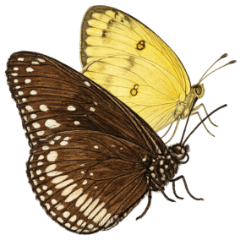
Caterpillars absorb toxic chemicals from milkweed plants, making both larvae and adults distasteful to predators. Bright orange warning colouration acts as aposematic signalling. Slow gliding flight advertises toxicity and reduces unnecessary energy expenditure. Many harmless butterfly species mimic the Plain Tiger for protection.
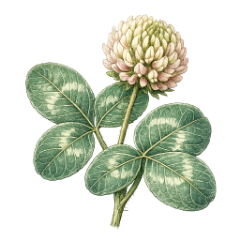
Adult butterflies feed primarily on nectar from flowering plants such as lantana, marigold, ixora, and milkweed flowers. Caterpillars feed mainly on milkweed species and other plants containing toxic latex compounds.

It inhabits grasslands, open scrub forests, gardens, agricultural lands, wetlands, and urban green spaces. The species prefers warm tropical and subtropical environments and is commonly associated with milkweed plants.