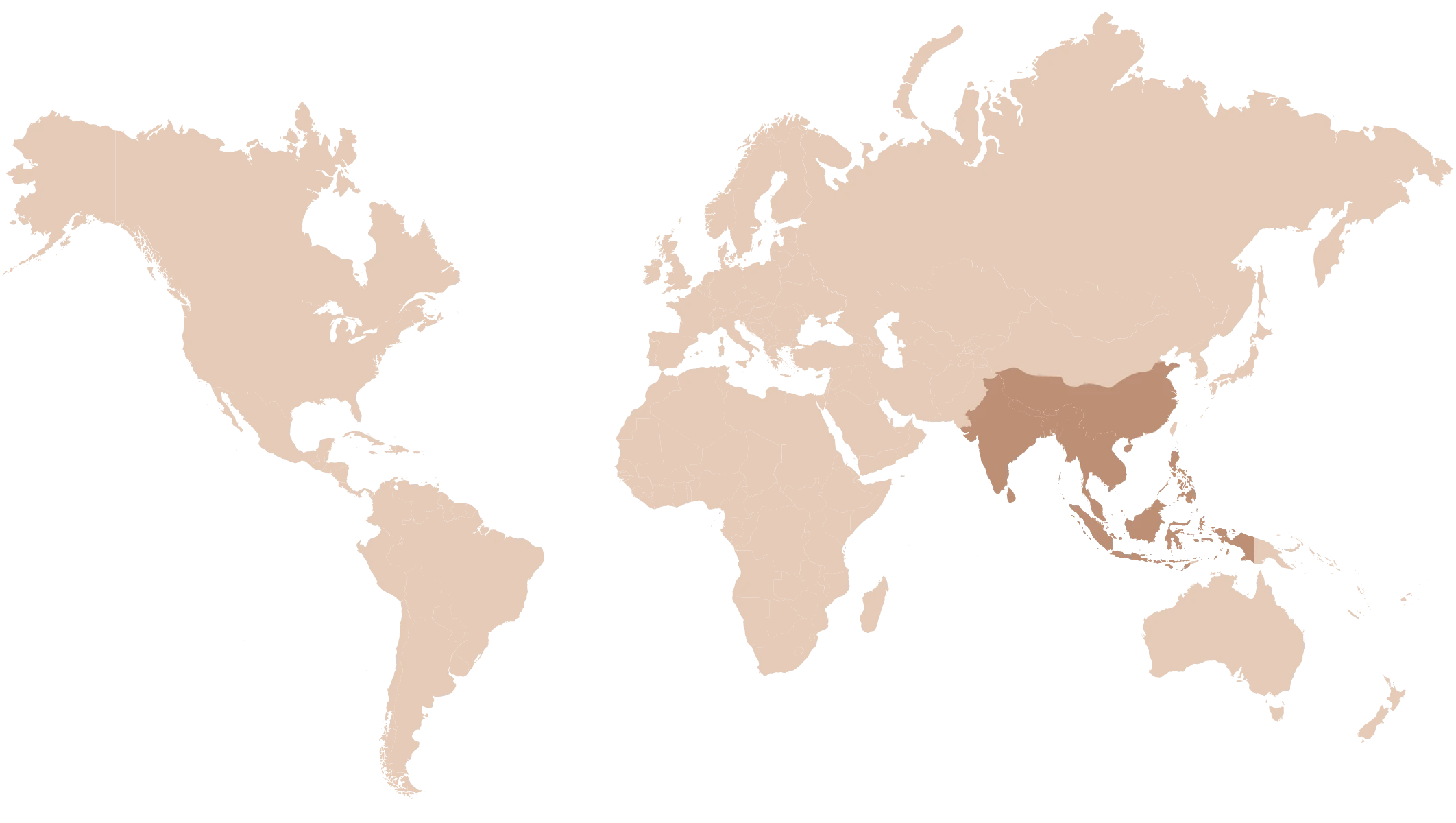
IUCN RED LIST
Established in 1964, The IUCN Red List is a critical indicator of the health of the world’s biodiversity. Species are classified by the IUCN Red List into nine groups, through criteria such as rate of decline, population size and area of geographic distribution as:
- Extinct (EX) – This species is no longer extant
- Extinct in the wild (EW) – Survives only in captivity, or through cultivation often outside native range
- Critically endangered (CR) – In an extremely critical state
- Endangered (EN) – Very high risk of extinction in the wild
- Vulnerable (VU) – At high risk of unnatural (human-caused) extinction
- Near Threatened (NT) – Close to being endangered in the near future
- Least Concern (LC) – Widespread and abundant in the wild
- Data Deficient (DD) – Inadequate information to assess extinction risk
- Not Evaluated (NE) – Has not yet been assessed


The wings are predominantly white with delicate black markings and fine grey patterns along the margins. The underside displays subtle brownish or greyish markings that help the butterfly blend into surrounding vegetation when at rest.
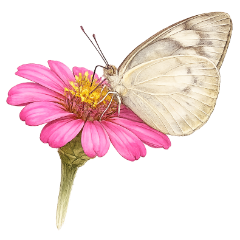
The Psyche is a delicate and slow-flying butterfly, often seen fluttering close to the ground among grasses and low vegetation. Its flight is weak and erratic, resembling a drifting leaf. It is active during daylight hours and frequently visits flowers for nectar.

The Psyche is considered a resident species and is not known to undertake long-distance migrations. Local dispersal may occur in response to seasonal changes in vegetation and food availability.
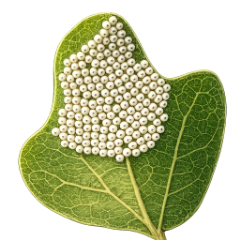
Females lay eggs singly on host plants, mainly species belonging to the family Capparaceae, including Capparis and related plants. Breeding occurs throughout the year in tropical regions, with population peaks commonly observed during and after the monsoon season.
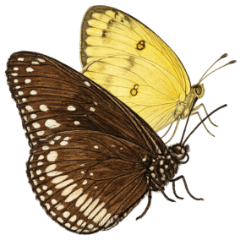
Its delicate white coloration and fluttering flight mimic falling leaves, helping reduce predation. The subtle underside markings provide camouflage when the butterfly rests with closed wings. Its lightweight body allows efficient movement through dense vegetation.
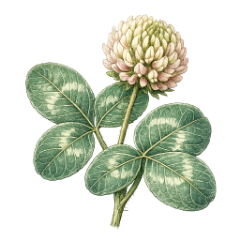
Adults feed primarily on nectar from small flowering plants. Caterpillars feed on leaves and young shoots of host plants. The species is often found in habitats where host plants are abundant and flowering vegetation is available.
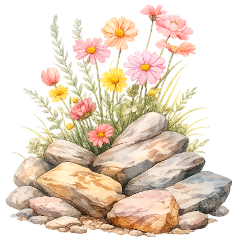
The Psyche is commonly found in open forests, forest edges, scrublands, grasslands, gardens, parks, plantations, agricultural fields, and urban green spaces.