
Adenanthera pavonina,
Mimosaceae
Red Bead Tree
AKA: Thorali goonj, Ratangunj, Manjadi
ORIGIN
Native
GEOGRAPHIC RANGE
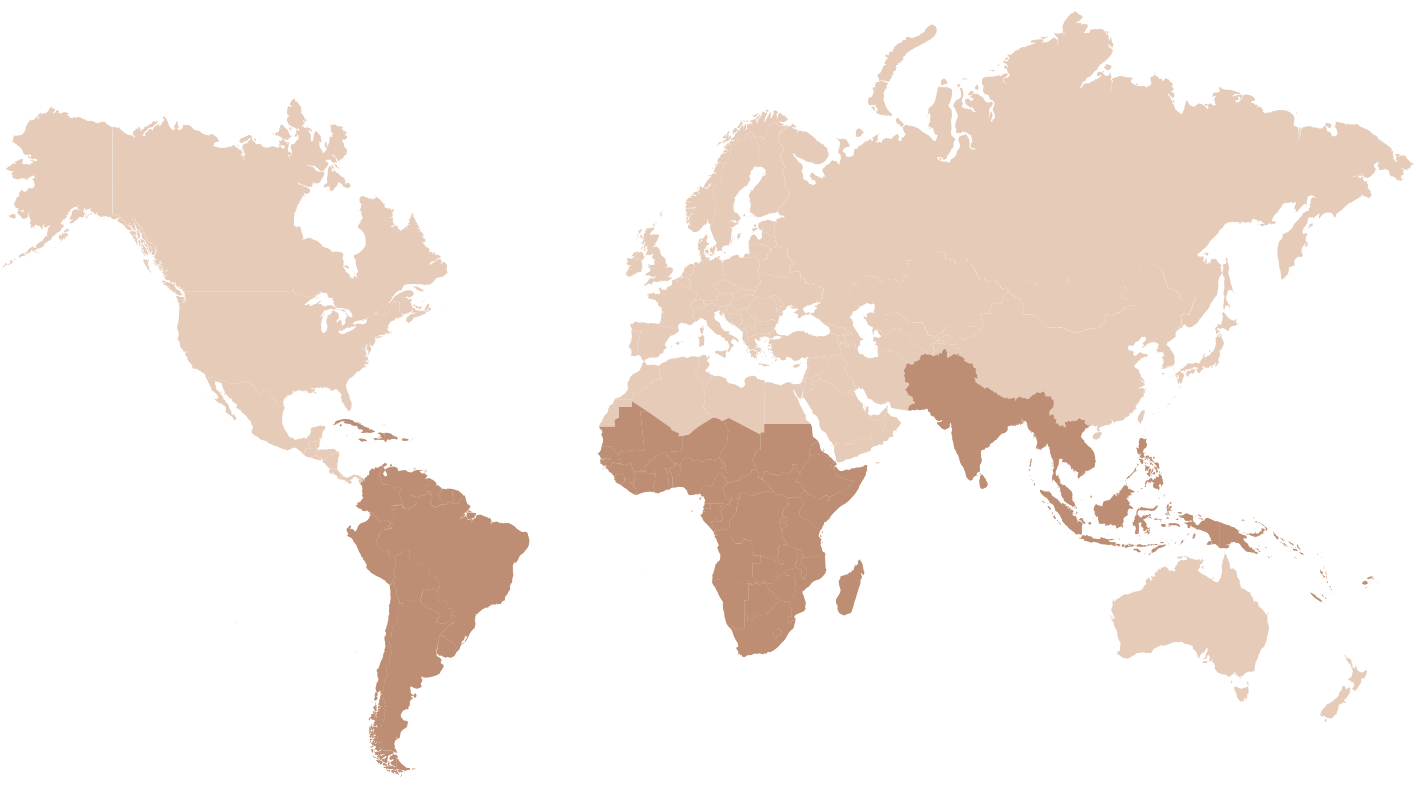
Native to Southeast Asia and the Indian subcontinent, Red Bead Tree is now widely distributed throughout tropical regions worldwide, including Africa, the Caribbean, South America and the Pacific Islands.
HEIGHT
15 - 18 m

CONSERVATION STATUS
Least Concern on the
IUCN Red List
IUCN RED LIST
Established in 1964, The IUCN Red List is a critical indicator of the health of the world’s biodiversity. Species are classified by the IUCN Red List into nine groups, through criteria such as rate of decline, population size and area of geographic distribution as:
- Extinct (EX) – This species is no longer extant
- Extinct in the wild (EW) – Survives only in captivity, or through cultivation often outside native range
- Critically endangered (CR) – In an extremely critical state
- Endangered (EN) – Very high risk of extinction in the wild
- Vulnerable (VU) – At high risk of unnatural (human-caused) extinction
- Near Threatened (NT) – Close to being endangered in the near future
- Least Concern (LC) – Widespread and abundant in the wild
- Data Deficient (DD) – Inadequate information to assess extinction risk
- Not Evaluated (NE) – Has not yet been assessed
ORIGIN
Native
HEIGHT
15 - 18 m
GEOGRAPHIC RANGE
Native to Southeast Asia and the Indian subcontinent, Red Bead Tree is now widely distributed throughout tropical regions worldwide, including Africa, the Caribbean, South America and the Pacific Islands.
CONSERVATION STATUS
Least Concern on the
IUCN Red List
BARK, FOLIAGE, FRUIT & FLOWER
Bark: Smooth and greyish when young, becoming rough with age.
Leaves: Bipinnate leaves with many small oval leaflets forming a light canopy.
Flowers & Fruit: Small creamy-yellow flowers form clusters; fruits are twisted pods with bright red seeds.
Leaves: Bipinnate leaves with many small oval leaflets forming a light canopy.
Flowers & Fruit: Small creamy-yellow flowers form clusters; fruits are twisted pods with bright red seeds.

GENERAL DESCRIPTION
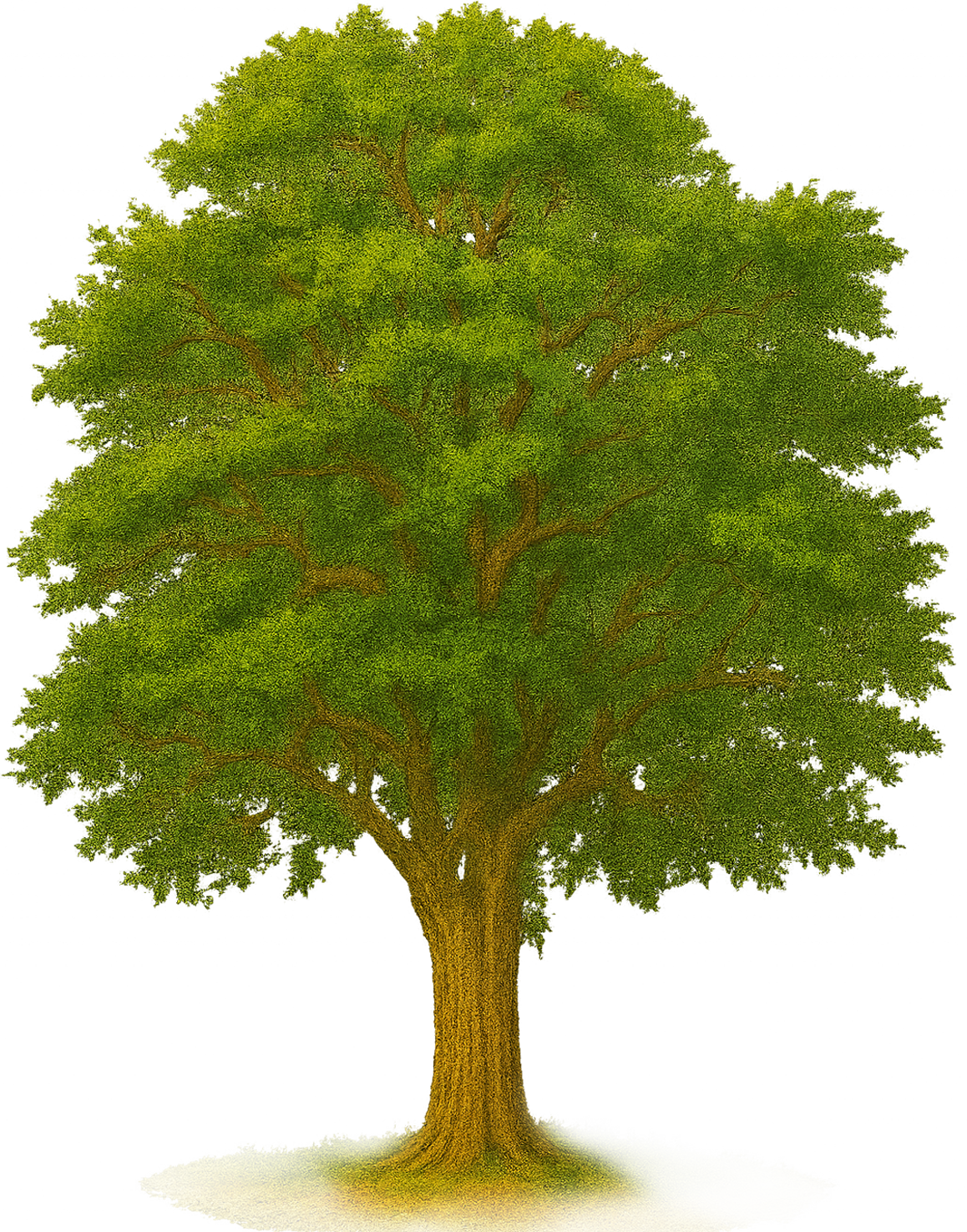
Red Bead Tree is a medium-sized deciduous tree that grows about 6 - 15 meters tall. It has a spreading crown and smooth grey bark that becomes rough with age. The leaves are bipinnate, meaning they are divided into many small oval leaflets, giving a feathery look. Small creamy-yellow flowers grow in clusters and later form twisted dark pods with bright red seeds.
Read more
MEDICINAL USE
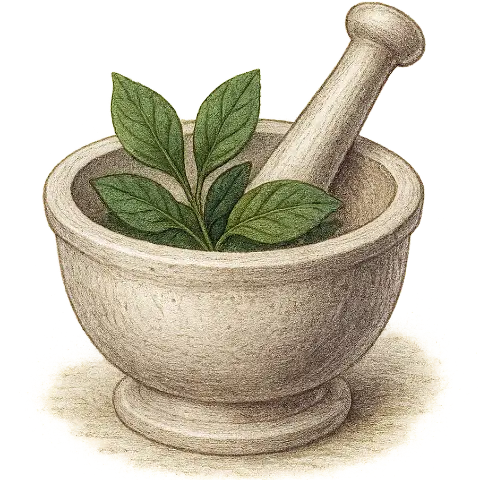
Red Bead Tree leaves are used on wounds and skin infections. Bark and roots help relieve joint pain and digestive problems. Seeds are used in folk remedies for inflammation.
Read more
ECOLOGICAL IMPORTANCE
Red Bead Tree is nitrogen-fixing, which means it naturally improves soil fertility and supports ecosystem health. It also provides shade and shelter for birds and insects.
Read more
CULTURAL SIGNIFICANCE
The Red Bead Tree tree is considered auspicious in parts of India and Southeast Asia. Its red seeds symbolize love and prosperity and are used in ornaments and crafts.
Read more
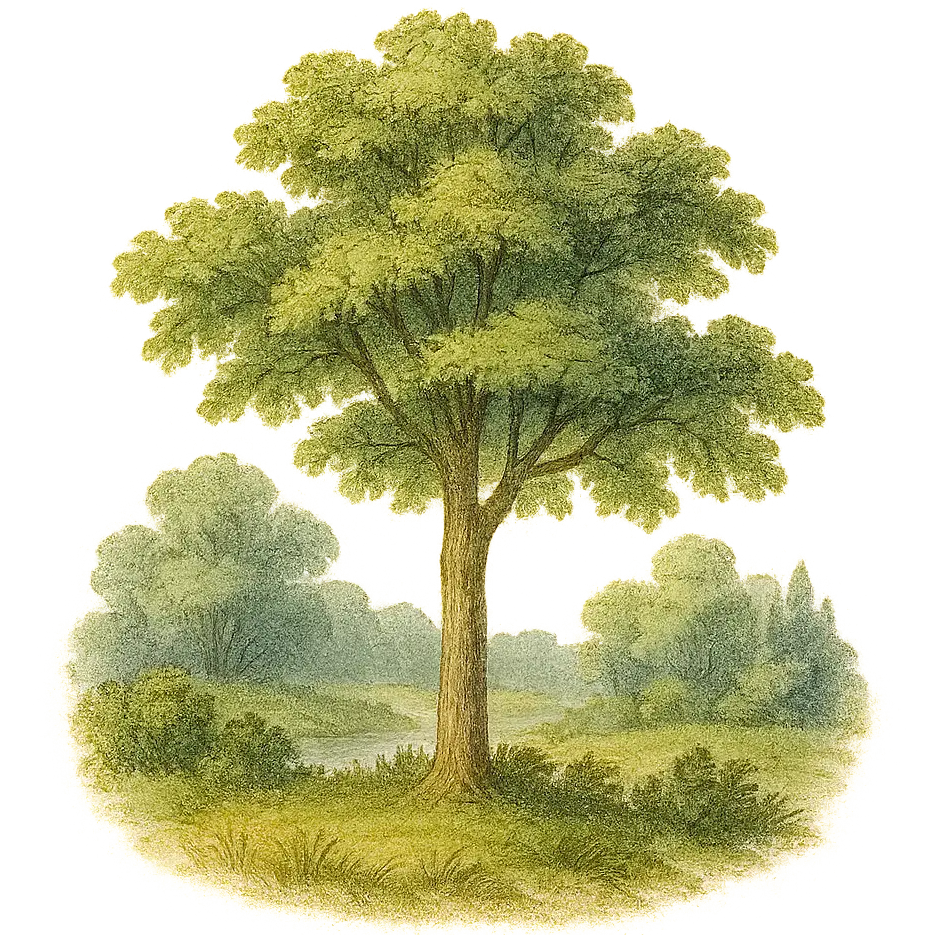
HABITAT
It prefers warm, humid climates and grows well from sea level up to 1,000 m elevation. The species has been extensively planted for ornamental purposes and as a shade tree due to its aesthetic appeal and tolerance to various soil types.
Read more
CULINARY USE
The Red Bead Tree seeds are sometimes roasted and eaten after proper cooking, as raw seeds can be mildly toxic. The tree is also used for fodder and fuelwood.
Read more
FOUND HERE
Paramount
Read more

DO YOU KNOW?
The bright red seeds of the Red Bead Tree were once used as standard weights for gold and gemstones because each seed weighs almost exactly the same.
EARTH CHALLENGE
Why are Red Bead Tree seeds historically important?