
Aegle marmelos,
Rutaceae
Wood Apple
AKA: Bel, Bael
ORIGIN
Native
GEOGRAPHIC RANGE
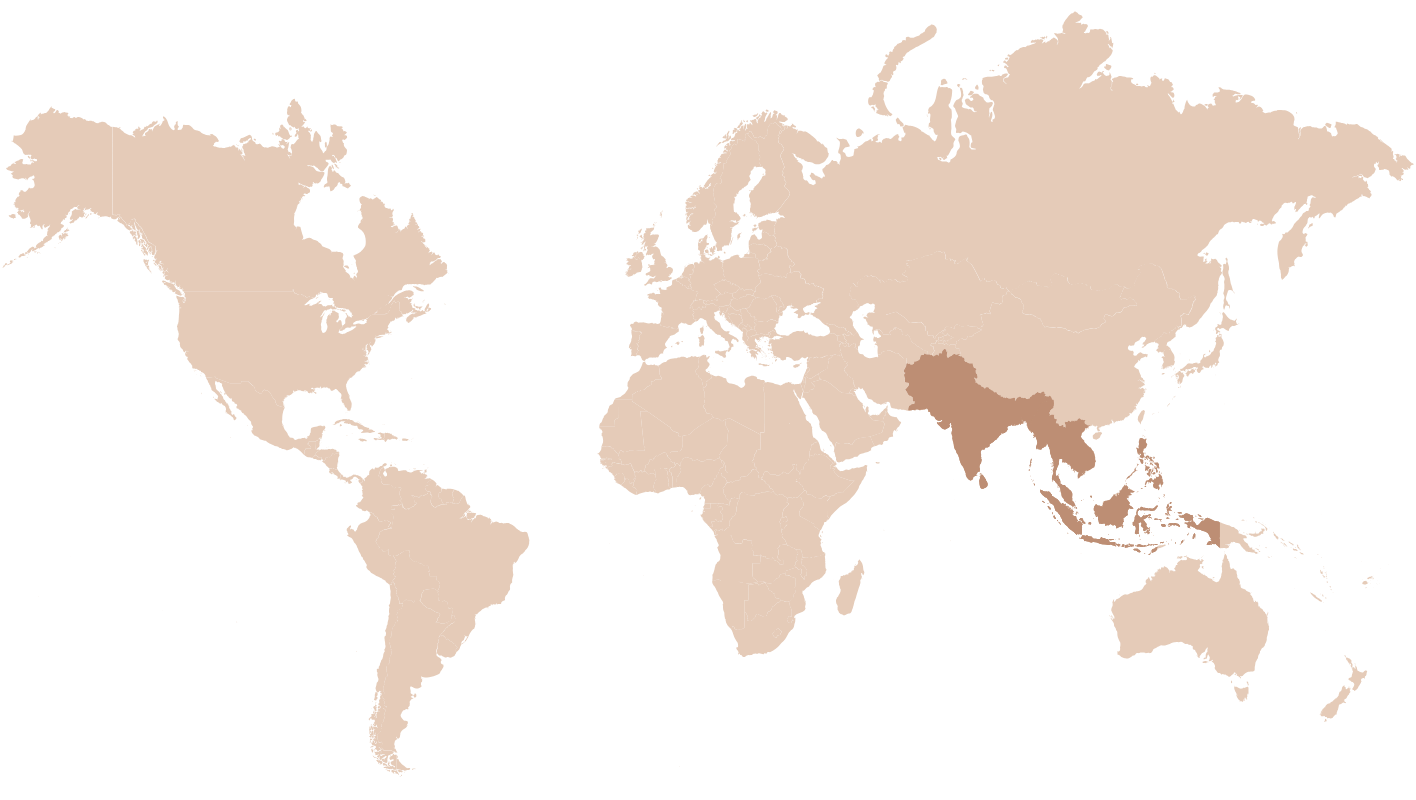
Wood Apple or Bel is native to India and is widely distributed across the Indian subcontinent, including Bangladesh, Nepal, Sri Lanka and Myanmar. It also grows naturally in parts of Southeast Asia and has been introduced to Indonesia, Thailand and the Philippines.
HEIGHT
upto 13 m

CONSERVATION STATUS
Least Concern on the
IUCN Red List
IUCN RED LIST
Established in 1964, The IUCN Red List is a critical indicator of the health of the world’s biodiversity. Species are classified by the IUCN Red List into nine groups, through criteria such as rate of decline, population size and area of geographic distribution as:
- Extinct (EX) – This species is no longer extant
- Extinct in the wild (EW) – Survives only in captivity, or through cultivation often outside native range
- Critically endangered (CR) – In an extremely critical state
- Endangered (EN) – Very high risk of extinction in the wild
- Vulnerable (VU) – At high risk of unnatural (human-caused) extinction
- Near Threatened (NT) – Close to being endangered in the near future
- Least Concern (LC) – Widespread and abundant in the wild
- Data Deficient (DD) – Inadequate information to assess extinction risk
- Not Evaluated (NE) – Has not yet been assessed
ORIGIN
Native
HEIGHT
upto 13 m
GEOGRAPHIC RANGE
Wood Apple or Bel is native to India and is widely distributed across the Indian subcontinent, including Bangladesh, Nepal, Sri Lanka and Myanmar. It also grows naturally in parts of Southeast Asia and has been introduced to Indonesia, Thailand and the Philippines.
CONSERVATION STATUS
Least Concern on the
IUCN Red List
BARK, FOLIAGE, FRUIT & FLOWER
Bark: Not specifically described, but forms part of traditional medicinal use.
Leaves: Trifoliate leaves with religious and medicinal importance.
Flowers & Fruit: Fragrant greenish-white flowers; hard-shelled fruits with aromatic pulp.
Leaves: Trifoliate leaves with religious and medicinal importance.
Flowers & Fruit: Fragrant greenish-white flowers; hard-shelled fruits with aromatic pulp.

GENERAL DESCRIPTION
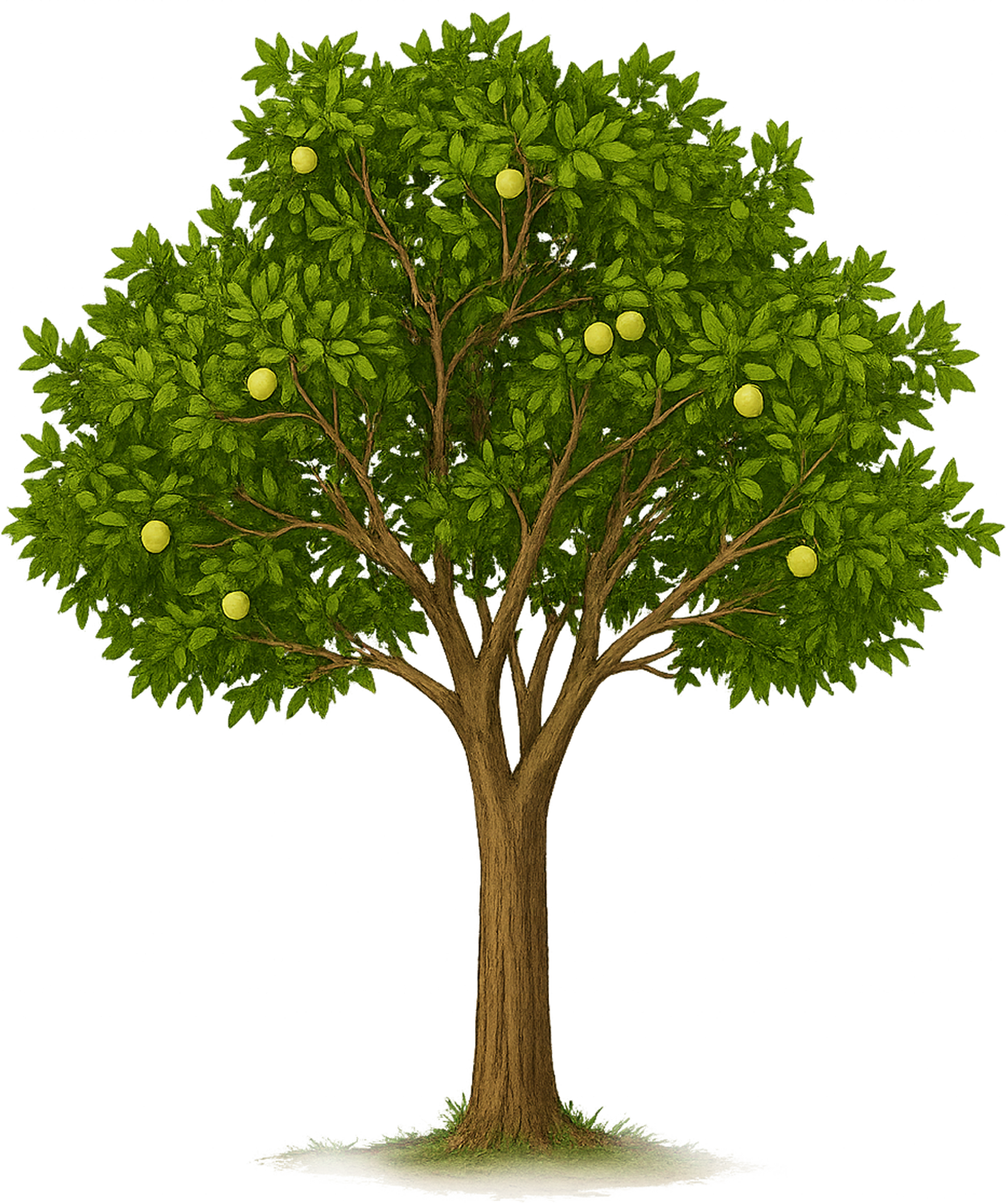
Wood Apple or Bel is a medium-sized deciduous tree growing up to 10 - 15 meters tall. It is easily recognized by its trifoliate leaves, meaning each leaf has three leaflets, fragrant greenish-white flowers and hard, woody fruits. The round to oval fruits have a very tough shell and contain aromatic orange-yellow pulp with many seeds in sticky mucilage. The tree thrives in hot, dry climates and is valued for its medicinal, nutritional and religious importance.
Read more
MEDICINAL USE
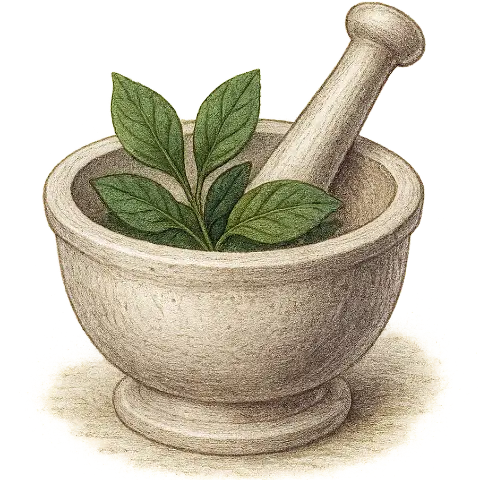
In Ayurveda, nearly all parts of the Wood Apple or Bel tree are used. Ripe fruit cools the body and aids digestion, while unripe fruit helps control diarrhea. Leaves are used for diabetes, fever and heart-related ailments.
Read more
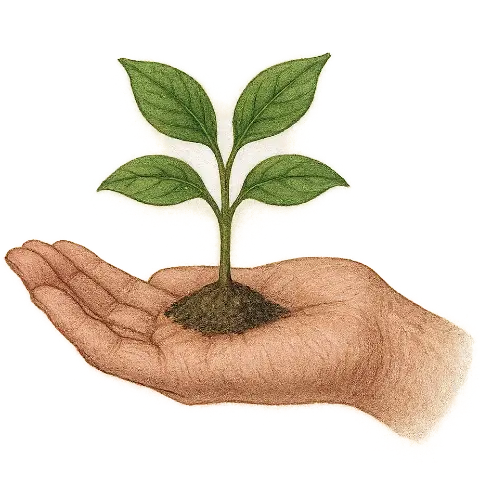
ECOLOGICAL IMPORTANCE
Wood Apple or Bel provides shade, nectar for pollinators and food for wildlife. Its strong roots help bind soil and its ability to survive drought makes it useful for dry-area planting.
Read more
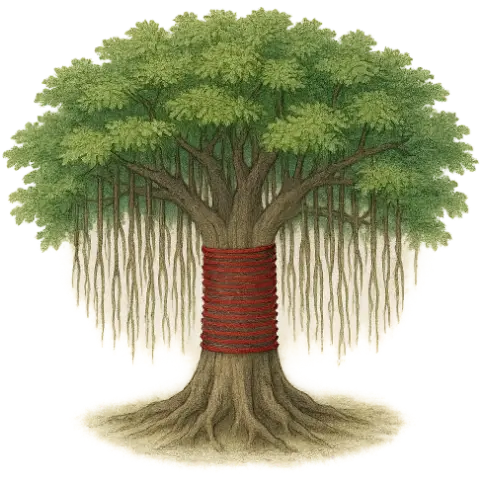
CULTURAL SIGNIFICANCE
Wood Apple or Bel is sacred in Hinduism and closely associated with Lord Shiva. Its trifoliate leaves symbolize the Hindu trinity and are commonly used in temple rituals.
Read more
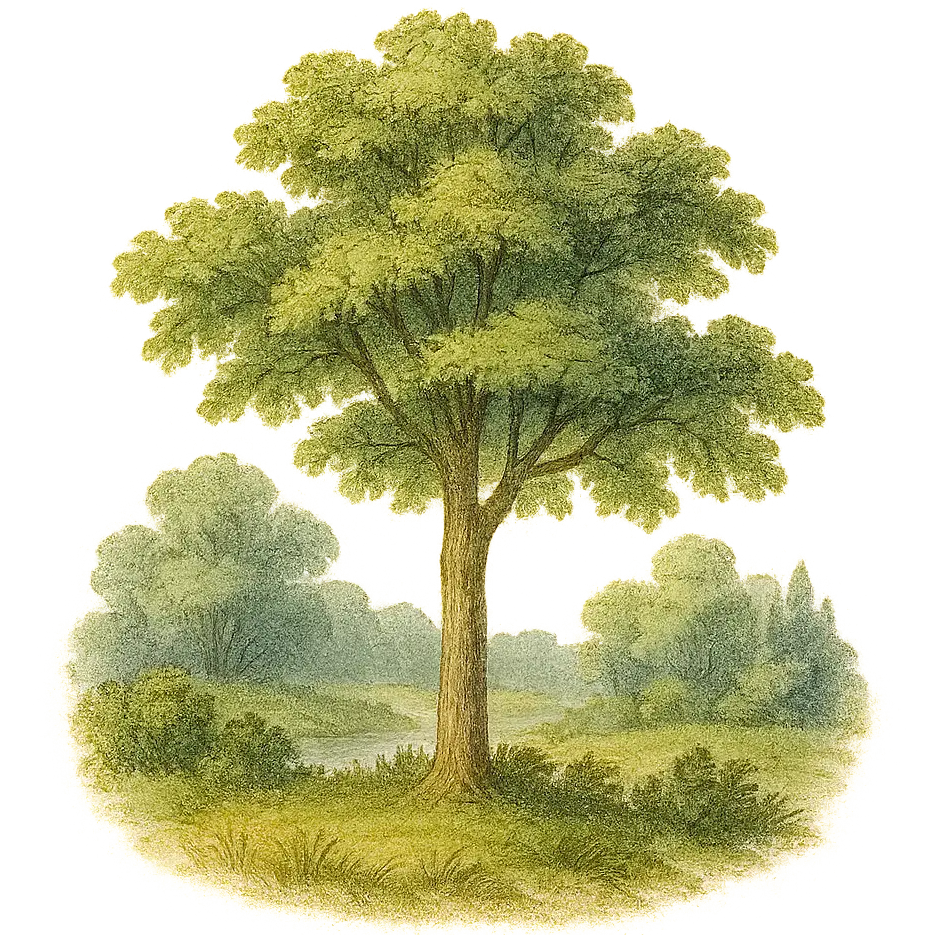
HABITAT
The tree adapts well to semi-arid and tropical regions and is often cultivated in home gardens, temple premises and rural landscapes for its multiple uses.
Read more
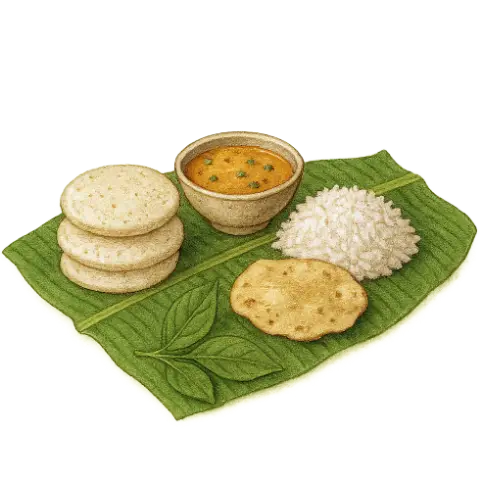
CULINARY USE
The ripe Wood Apple or Bel fruit pulp is used to make sherbets, jams, sweets and a popular cooling summer drink.
Read more
FOUND HERE
Astra
Read more

DO YOU KNOW?
Wood Apple or Bel fruit has such a hard shell that it often needs to be cracked open with a stone or hammer.
EARTH CHALLENGE
Why is the Bael or Wood Apple tree considered sacred?