
Anthocephalus kadamba,
Rubiaceae
Kadamba
AKA: Burflower Tree, Laran, Leichhardt Pine
ORIGIN
Native
GEOGRAPHIC RANGE
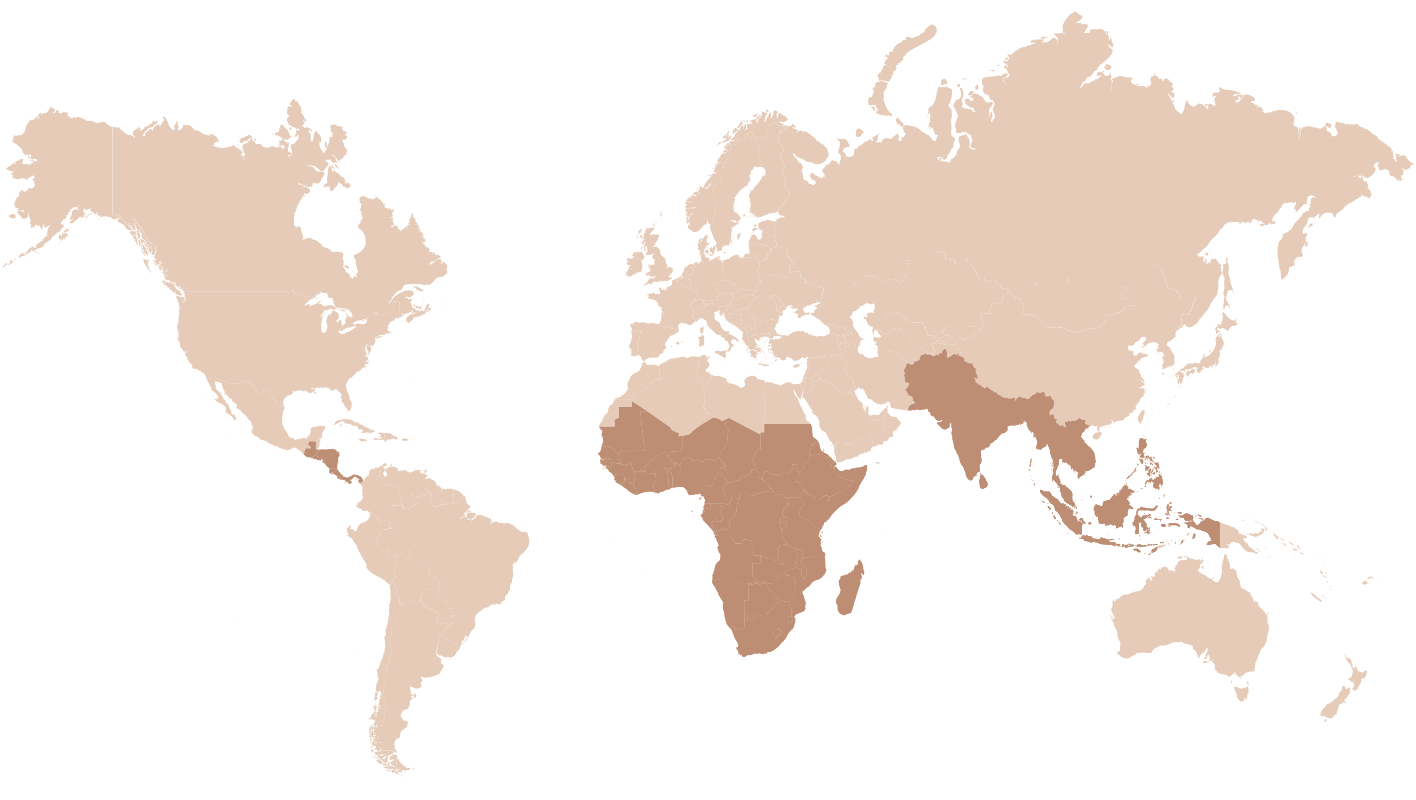
Native to South and Southeast Asia, Kadamba grows naturally in India, Nepal, Bangladesh, Sri Lanka, Myanmar, Thailand, Vietnam, Malaysia, Indonesia and the Philippines. In India, it is commonly found in the Western Ghats, Gangetic plains and northeastern states. It has been widely cultivated throughout tropical regions of Africa, Central America and the Pacific Islands for its timber, shade and ornamental value.
HEIGHT
upto 45 m

CONSERVATION STATUS
Least Concern on the
IUCN Red List
IUCN RED LIST
Established in 1964, The IUCN Red List is a critical indicator of the health of the world’s biodiversity. Species are classified by the IUCN Red List into nine groups, through criteria such as rate of decline, population size and area of geographic distribution as:
- Extinct (EX) – This species is no longer extant
- Extinct in the wild (EW) – Survives only in captivity, or through cultivation often outside native range
- Critically endangered (CR) – In an extremely critical state
- Endangered (EN) – Very high risk of extinction in the wild
- Vulnerable (VU) – At high risk of unnatural (human-caused) extinction
- Near Threatened (NT) – Close to being endangered in the near future
- Least Concern (LC) – Widespread and abundant in the wild
- Data Deficient (DD) – Inadequate information to assess extinction risk
- Not Evaluated (NE) – Has not yet been assessed
ORIGIN
Native
HEIGHT
upto 45 m
GEOGRAPHIC RANGE
Native to South and Southeast Asia, Kadamba grows naturally in India, Nepal, Bangladesh, Sri Lanka, Myanmar, Thailand, Vietnam, Malaysia, Indonesia and the Philippines. In India, it is commonly found in the Western Ghats, Gangetic plains and northeastern states. It has been widely cultivated throughout tropical regions of Africa, Central America and the Pacific Islands for its timber, shade and ornamental value.
CONSERVATION STATUS
Least Concern on the
IUCN Red List
BARK, FOLIAGE, FRUIT & FLOWER
Bark: Smooth and grey, used medicinally.
Leaves: Large, glossy and broadly oval, forming dense shade.
Flowers & Fruit: Spherical orange-yellow flowers; small fleshy fruits with many seeds.
Leaves: Large, glossy and broadly oval, forming dense shade.
Flowers & Fruit: Spherical orange-yellow flowers; small fleshy fruits with many seeds.

GENERAL DESCRIPTION
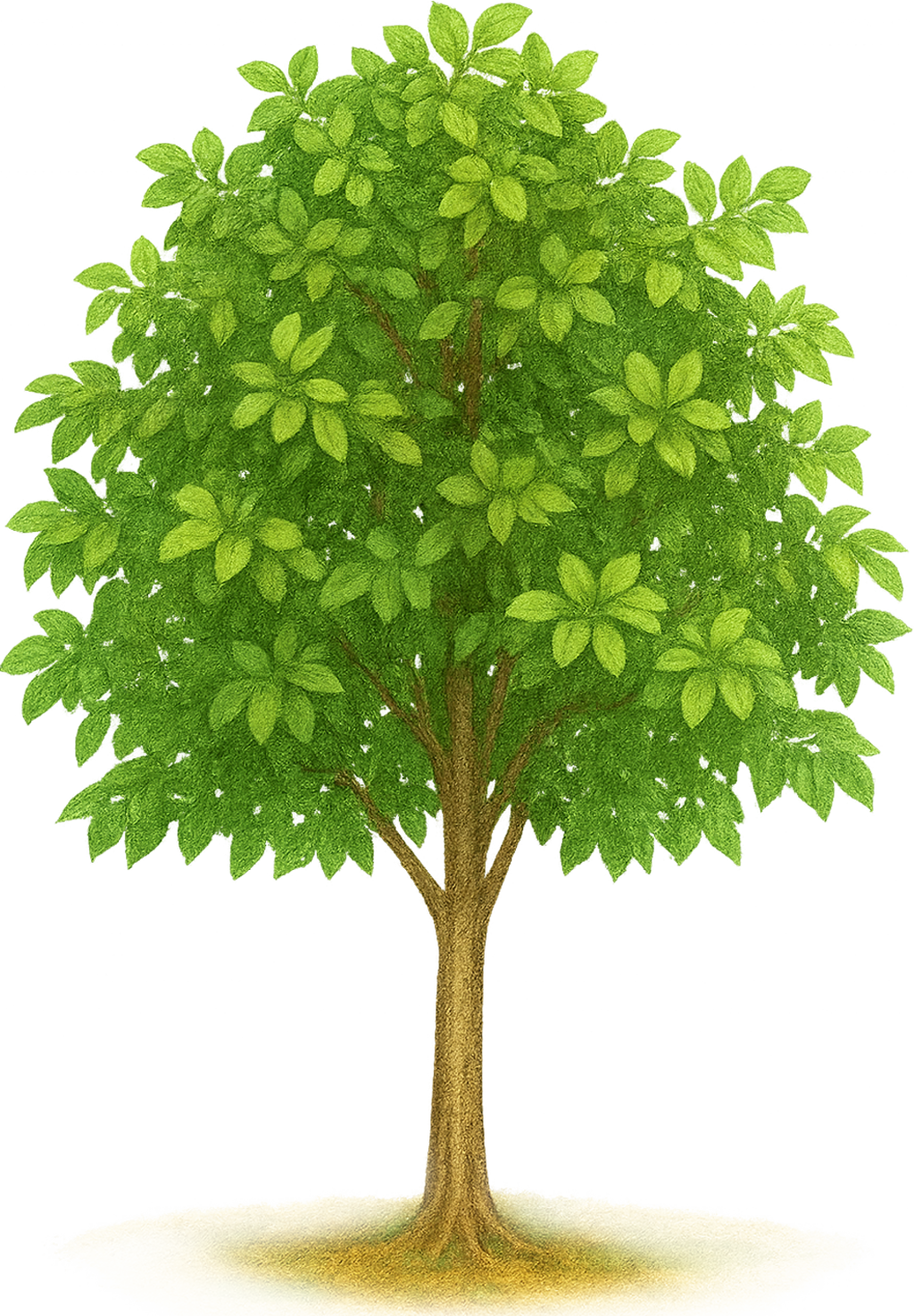
Kadamba is a large, fast-growing deciduous tree that can reach up to 45 meters in height. It has a straight trunk, smooth grey bark and a wide, shady crown. The leaves are large, glossy and broadly oval. The tree is best known for its bright orange-yellow, round, fragrant flowers that appear during the monsoon and resemble soft pom-poms. Small fleshy fruits containing many tiny seeds develop after flowering.
Read more
MEDICINAL USE
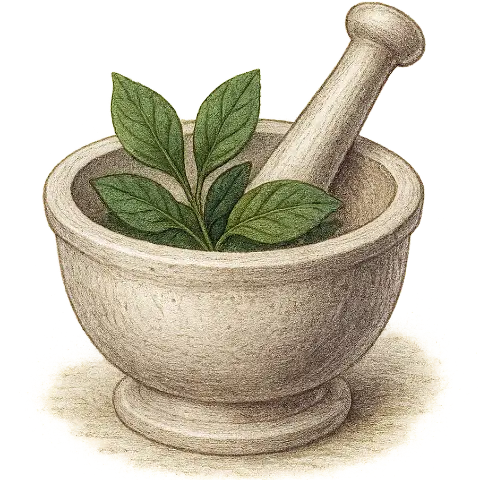
Used in Ayurveda and folk medicine, the Kadamba bark helps reduce fever and inflammation. Leaves and roots aid wound healing, while flowers are used for cooling and relaxation. Studies show antioxidant and antimicrobial properties.
Read more
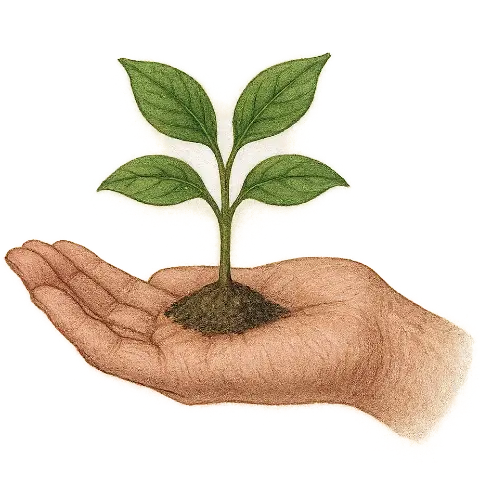
ECOLOGICAL IMPORTANCE
The Kadamba flowers attract bees, butterflies and birds. Its fast growth makes it valuable for reforestation, shade, carbon storage and soil conservation.
Read more
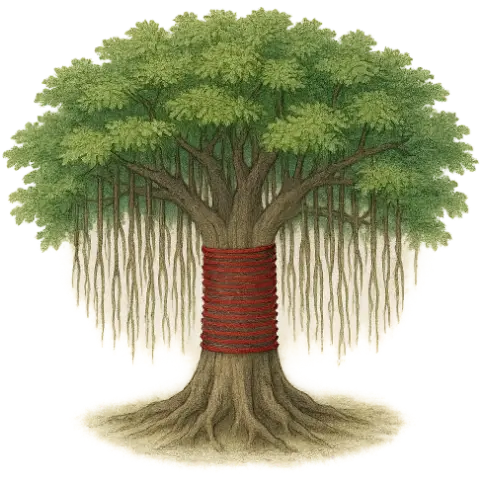
CULTURAL SIGNIFICANCE
Sacred in Hindu and Buddhist traditions, Kadamba is linked to Lord Krishna and celebrated in festivals as a symbol of love, fertility and prosperity.
Read more
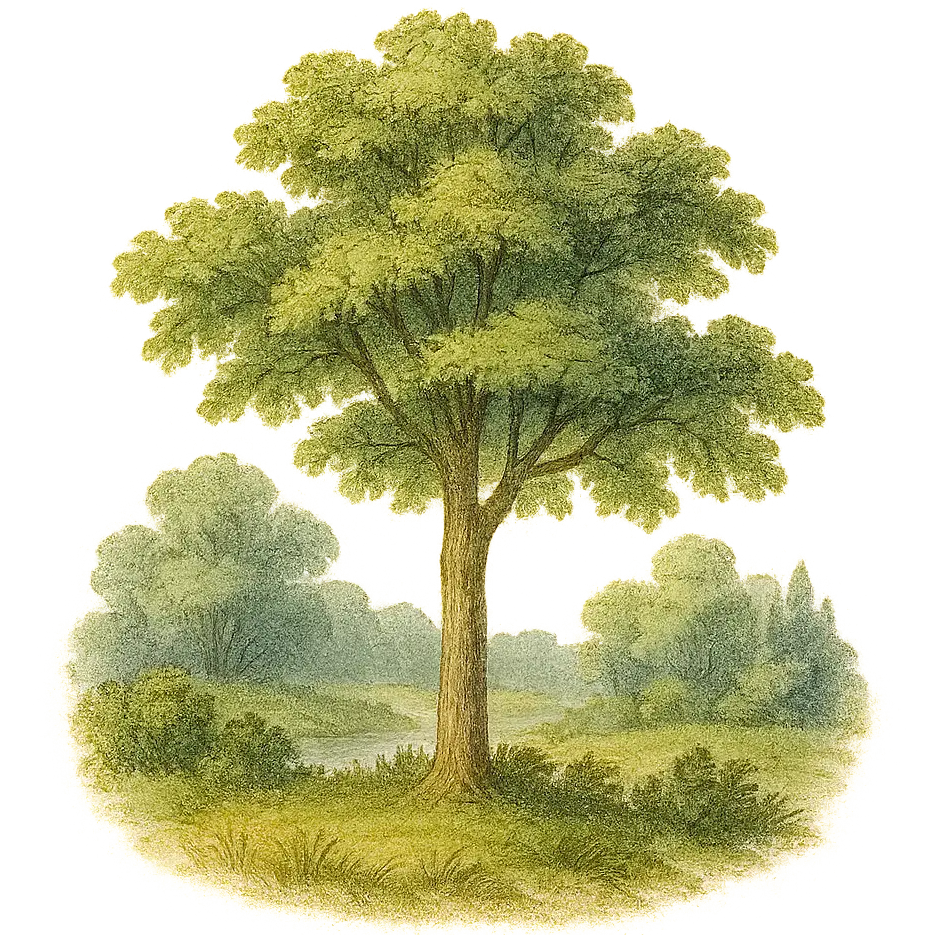
HABITAT
The tree prefers deep, well-drained alluvial soils and a warm, humid climate, often growing near riverbanks and forest edges. It thrives in moist deciduous and evergreen forests up to 1,500 m elevation.
Read more
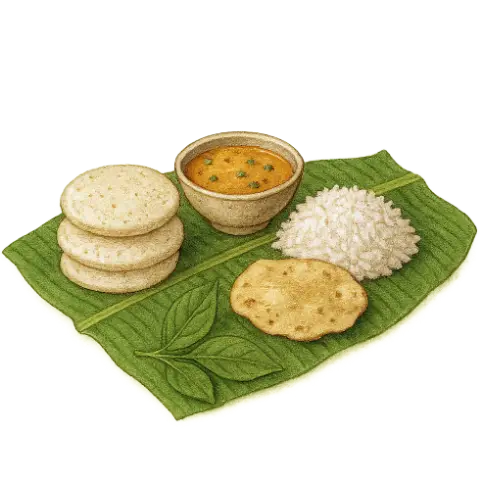
CULINARY USE
The Kadamba fruit pulp is edible and occasionally eaten by rural communities. Flowers are sometimes used in traditional sweets or as natural fragrance.
Read more

FOUND HERE
Apollo
Read more

DO YOU KNOW?
Kadamba flowering is traditionally seen as a natural signal for the arrival of the monsoon rains in India.


EARTH CHALLENGE
Why is the Kadamba tree important ecologically?