
Barringtonia asiatica,
Lecythidaceae
Sea Poison Tree
AKA: Samudrafal
ORIGIN
Native
GEOGRAPHIC RANGE
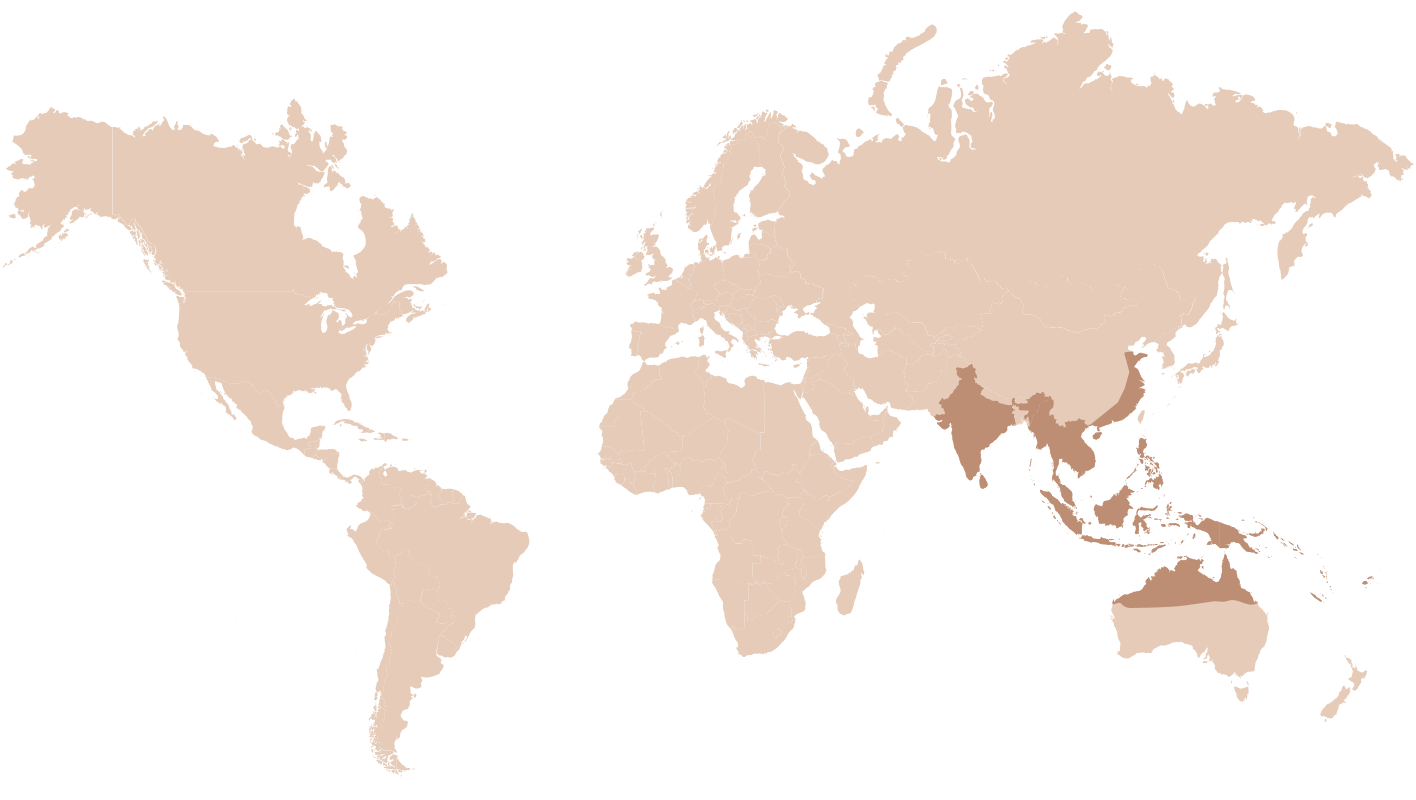
This tree is seen across tropical coastal regions of the Indian Ocean and western Pacific Ocean. Its natural range includes India, Sri Lanka, Southeast Asia, northern Australia, Pacific Islands, Taiwan and coastal China.
HEIGHT
7 - 25 m

CONSERVATION STATUS
Least Concern on the
IUCN Red List
IUCN RED LIST
Established in 1964, The IUCN Red List is a critical indicator of the health of the world’s biodiversity. Species are classified by the IUCN Red List into nine groups, through criteria such as rate of decline, population size and area of geographic distribution as:
- Extinct (EX) – This species is no longer extant
- Extinct in the wild (EW) – Survives only in captivity, or through cultivation often outside native range
- Critically endangered (CR) – In an extremely critical state
- Endangered (EN) – Very high risk of extinction in the wild
- Vulnerable (VU) – At high risk of unnatural (human-caused) extinction
- Near Threatened (NT) – Close to being endangered in the near future
- Least Concern (LC) – Widespread and abundant in the wild
- Data Deficient (DD) – Inadequate information to assess extinction risk
- Not Evaluated (NE) – Has not yet been assessed
ORIGIN
Native
HEIGHT
7 - 25 m
GEOGRAPHIC RANGE
This tree is seen across tropical coastal regions of the Indian Ocean and western Pacific Ocean. Its natural range includes India, Sri Lanka, Southeast Asia, northern Australia, Pacific Islands, Taiwan and coastal China.
CONSERVATION STATUS
Least Concern on the
IUCN Red List
BARK, FOLIAGE, FRUIT & FLOWER
Bark: Used in traditional remedies for fever, inflammation and pain relief.
Leaves: Large and glossy; used in medicinal decoctions and help protect coastal soil.
Flowers & Fruit: Night-blooming, fragrant flowers with long stamens; floating, box-shaped fruits adapted for ocean dispersal.
Leaves: Large and glossy; used in medicinal decoctions and help protect coastal soil.
Flowers & Fruit: Night-blooming, fragrant flowers with long stamens; floating, box-shaped fruits adapted for ocean dispersal.

GENERAL DESCRIPTION
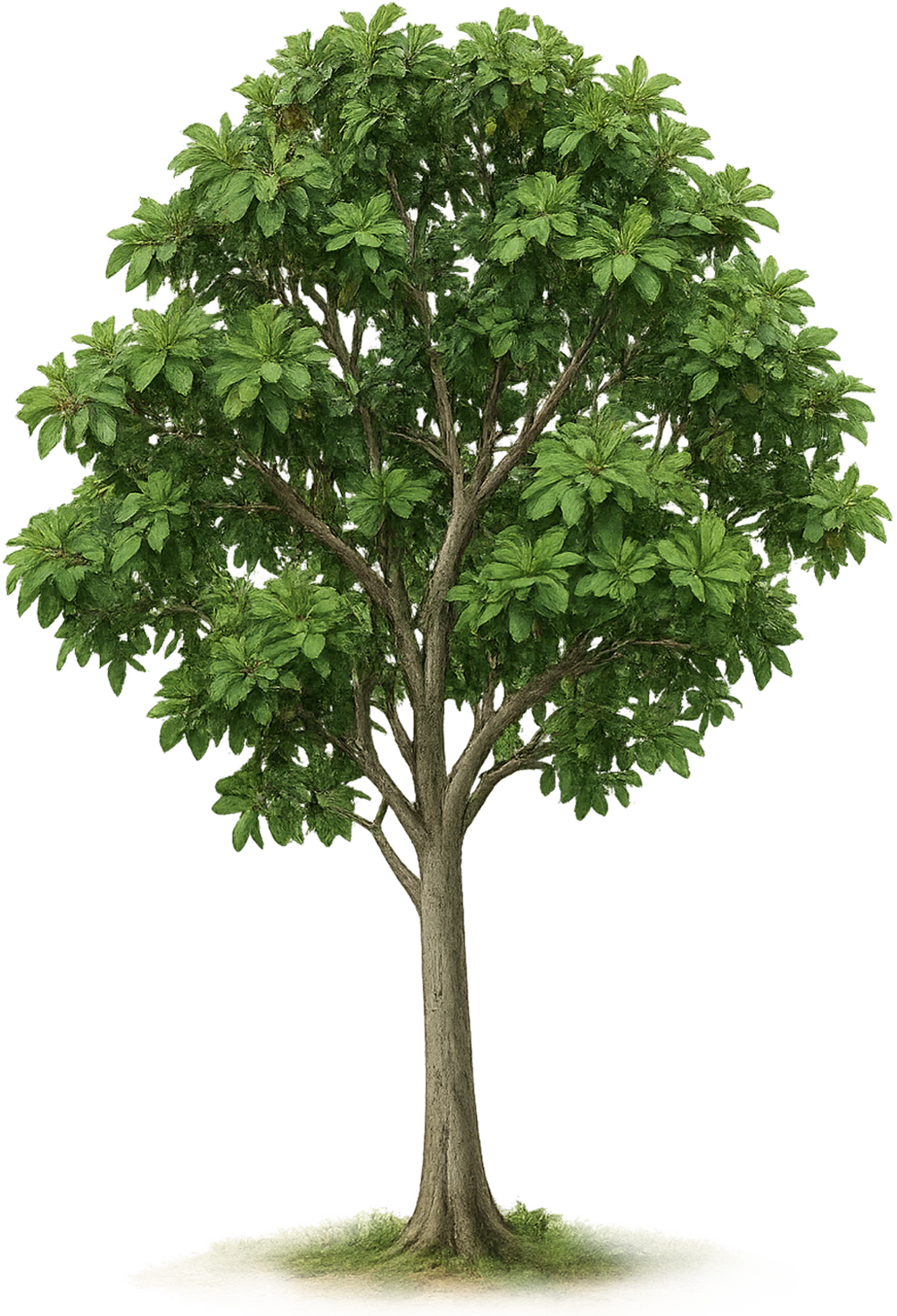
Sea Poison Tree is a medium-sized evergreen coastal tree growing about 7 - 25 meters tall, with a straight trunk and a dense, rounded crown. It has large, glossy leaves arranged in rosettes at the ends of branches. The tree bears striking white to pink flowers with long, thread-like stamens that give a powder-puff appearance. These fragrant flowers bloom at night. The fruits are distinctive, box-shaped, buoyant and adapted for dispersal by ocean currents.
Read more

MEDICINAL USE
The bark, leaves and seeds contain saponins used traditionally for anti-inflammatory and pain-relief remedies. They are also applied to treat skin diseases, wounds, fever and digestive discomfort. Seed extracts are being studied for antimicrobial and anti-cancer properties.
Read more
ECOLOGICAL IMPORTANCE
Sea Poison Tree helps stabilize sandy shorelines and prevent coastal erosion. Its night-blooming flowers attract bats and moths, while bees and other insects also benefit. The tree's tolerance to salt spray and storm surges makes it important for climate-resilient coastal ecosystems.
Read more
CULTURAL SIGNIFICANCE
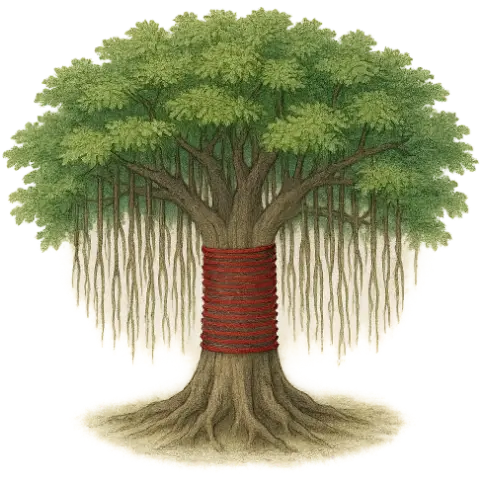
The tree is culturally important in many Pacific societies, where it is used in traditional medicine, rituals and planted as a coastal ornamental for its beauty and resilience.
Read more
HABITAT
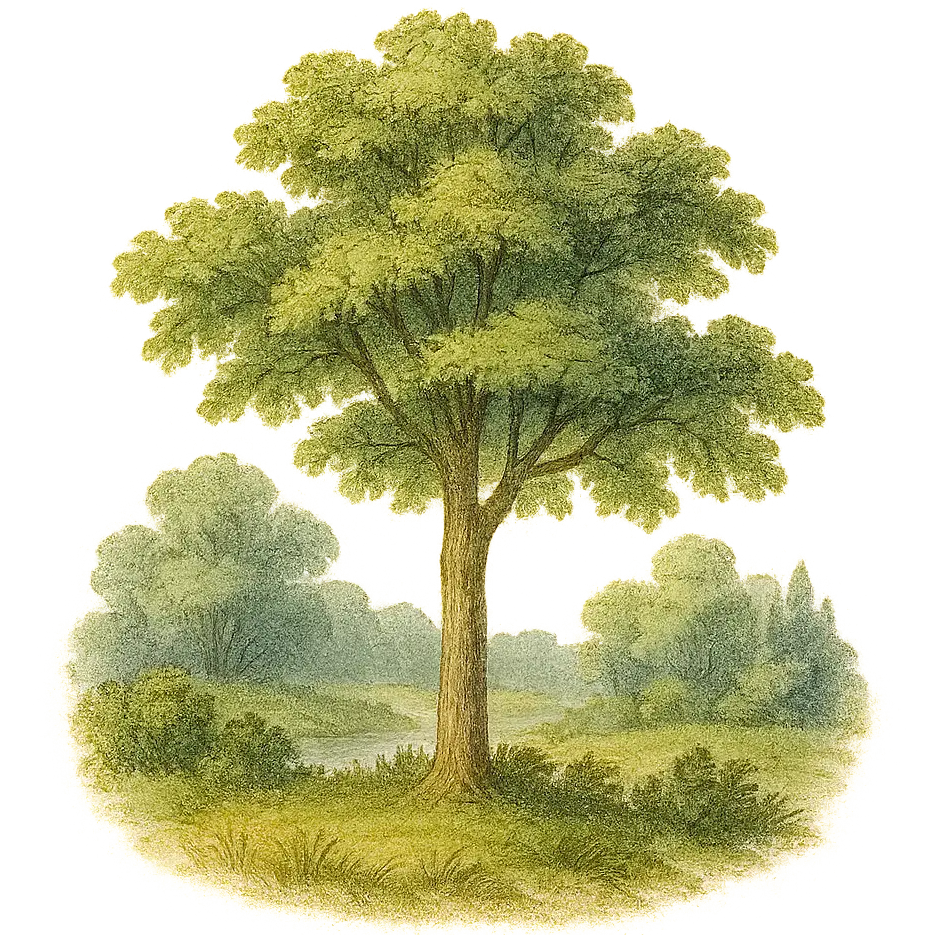
This tree typically grows in sandy beaches, mangrove margins and coastal forests, thriving in saline, alkaline and highly humid environments.
Read more

CULINARY USE
The tree is not used for general consumption due to toxic saponins. Seeds were traditionally used as fish poison and are unsafe to eat without expert detoxification.
Read more
FOUND HERE
Kavesar Garden
Read more

DO YOU KNOW?
The name "Fish Poison Tree" comes from the traditional practice of crushing its seeds to release saponins, natural compounds that temporarily stun fish without poisoning the water. Its box-shaped fruits can float for months, allowing the tree to spread across oceans.


EARTH CHALLENGE
Why are the fruits of the Sea Poison Tree able to spread across oceans?