
Bombax ceiba,
Bombacaceae
Silk Cotton Tree
AKA: Sawar, Shalmali, Katesavar
ORIGIN
Native
GEOGRAPHIC RANGE
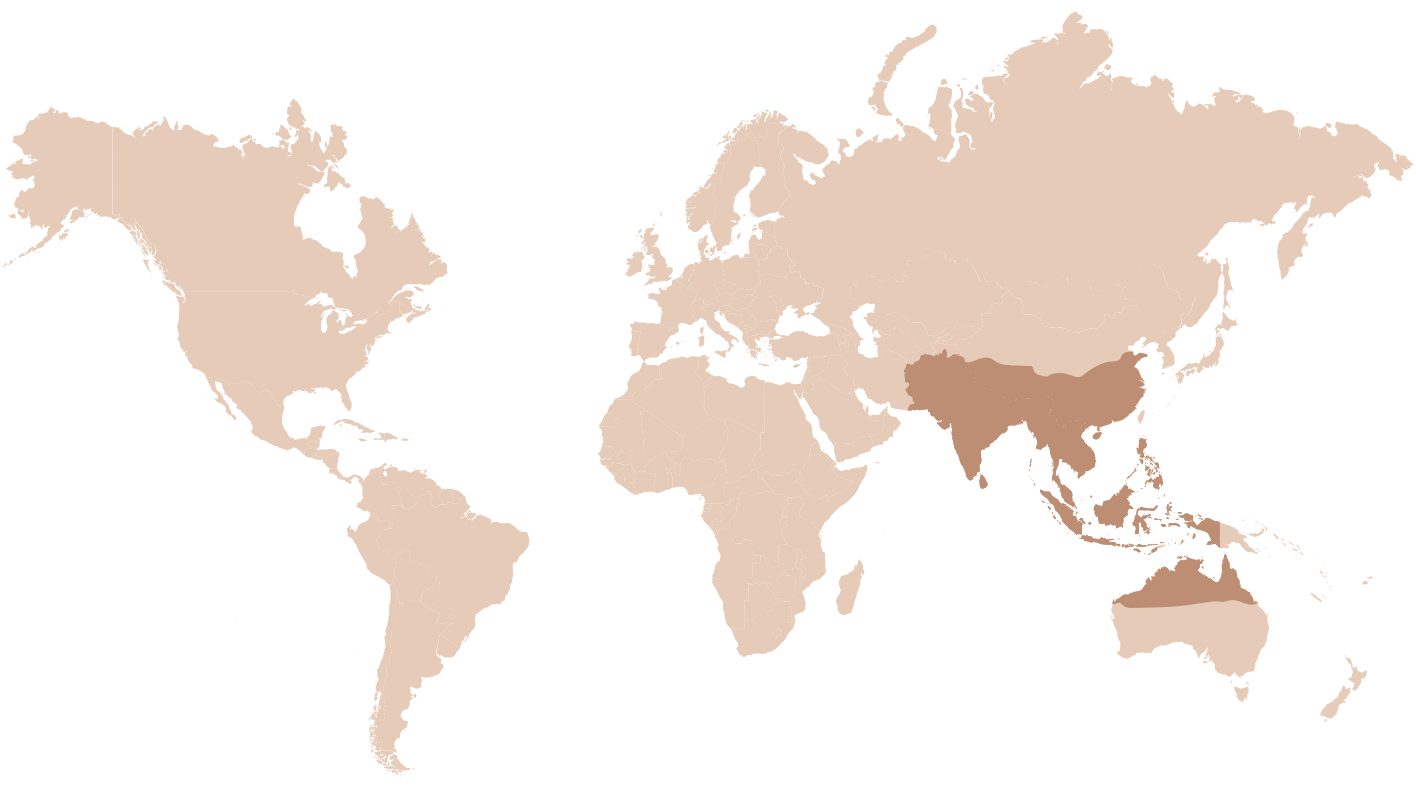
The Silk Cotton tree grows naturally across South and Southeast Asia, including India, Nepal, Myanmar, Thailand, Vietnam, Malaysia, Indonesia, southern China and Taiwan. It is also found in eastern Pakistan and has been naturalized in parts of Australia.
HEIGHT
25 - 40 m

CONSERVATION STATUS
Least Concern on the
IUCN Red List
IUCN RED LIST
Established in 1964, The IUCN Red List is a critical indicator of the health of the world’s biodiversity. Species are classified by the IUCN Red List into nine groups, through criteria such as rate of decline, population size and area of geographic distribution as:
- Extinct (EX) – This species is no longer extant
- Extinct in the wild (EW) – Survives only in captivity, or through cultivation often outside native range
- Critically endangered (CR) – In an extremely critical state
- Endangered (EN) – Very high risk of extinction in the wild
- Vulnerable (VU) – At high risk of unnatural (human-caused) extinction
- Near Threatened (NT) – Close to being endangered in the near future
- Least Concern (LC) – Widespread and abundant in the wild
- Data Deficient (DD) – Inadequate information to assess extinction risk
- Not Evaluated (NE) – Has not yet been assessed
ORIGIN
Native
HEIGHT
25 - 40 m
GEOGRAPHIC RANGE
The Silk Cotton tree grows naturally across South and Southeast Asia, including India, Nepal, Myanmar, Thailand, Vietnam, Malaysia, Indonesia, southern China and Taiwan. It is also found in eastern Pakistan and has been naturalized in parts of Australia.
CONSERVATION STATUS
Least Concern on the
IUCN Red List
BARK, FOLIAGE, FRUIT & FLOWER
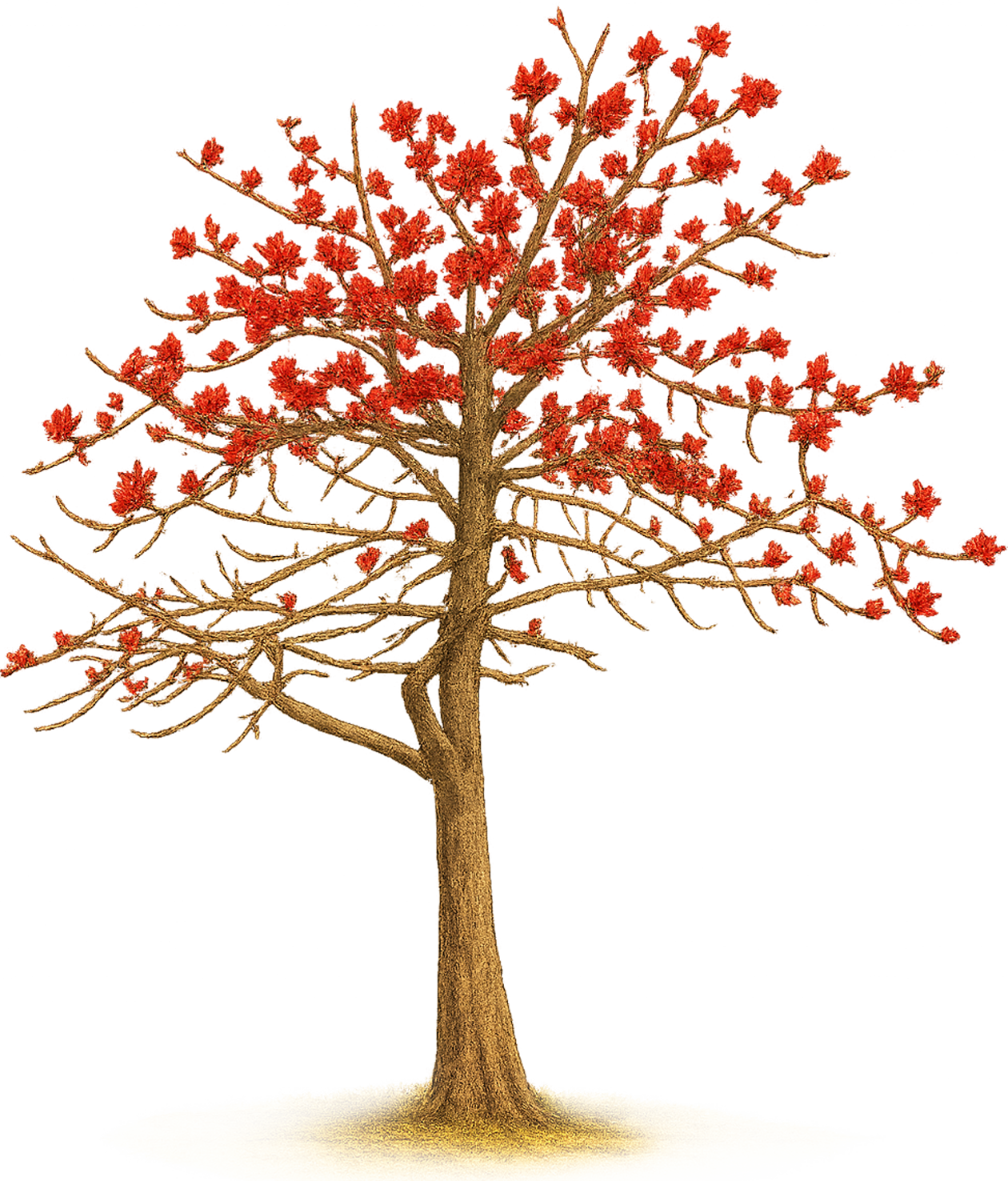
Bark: Used medicinally for its cooling and healing properties. Young trunks and branches are covered with sharp, conical spines that wear away as the tree ages.
Leaves: The leaves are palmate, meaning several leaflets spread out from a single point like fingers of a hand. These are shed before flowering.
Flowers & Fruit: Bright red flowers bloom on leafless branches; fruits release cotton-like fibres around the seeds.
Leaves: The leaves are palmate, meaning several leaflets spread out from a single point like fingers of a hand. These are shed before flowering.
Flowers & Fruit: Bright red flowers bloom on leafless branches; fruits release cotton-like fibres around the seeds.

GENERAL DESCRIPTION
Silk Cotton Tree is a large deciduous tree that usually grows up to 20 meters tall, but in ideal tropical conditions can reach as much as 60 meters. One of its most striking features is that it sheds all its leaves before flowering, revealing bright red, cup-shaped flowers in spring. The fruits contain seeds surrounded by soft, white, cotton-like fibres. Despite its size, the wood is light and soft, making it useful for items like rafts and matchsticks rather than heavy construction.
Read more
MEDICINAL USE
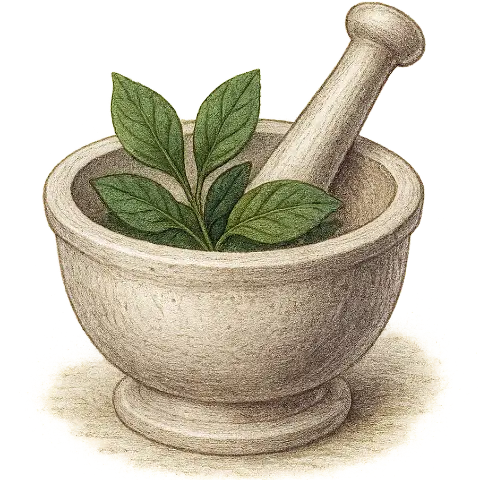
In traditional medicine, the bark, roots and flowers of the Silk Cotton Tree are used for their cooling, anti-inflammatory and astringent properties. They are used to treat diarrhea, skin diseases, wounds and are considered aphrodisiac in Ayurveda.
Read more
ECOLOGICAL IMPORTANCE
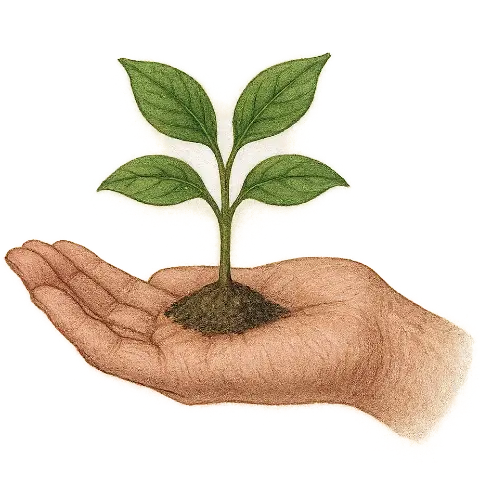
The Silk Cotton Tree flowers attract birds, bees and insects, supporting pollinators. Fallen flowers and cotton fibres add organic matter to the soil, enriching it naturally.
Read more
CULTURAL SIGNIFICANCE
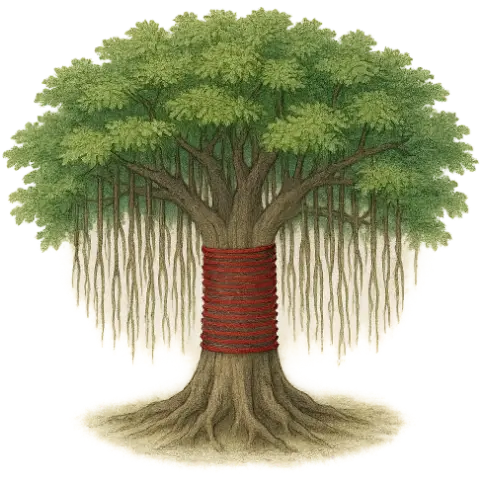
The Silk Cotton Tree is the official flower of Guangzhou, symbolizing strength and heroism. Its red blossoms mark seasonal change and feature in festivals. The cotton-like fibres are traditionally used to stuff pillows and mattresses. According to ancient Chinese records, the King of Nam Yuet gifted a Bombax ceiba tree to the Han Dynasty emperor in the 2nd century BC, highlighting its long historical presence in East Asia.
Read more
HABITAT
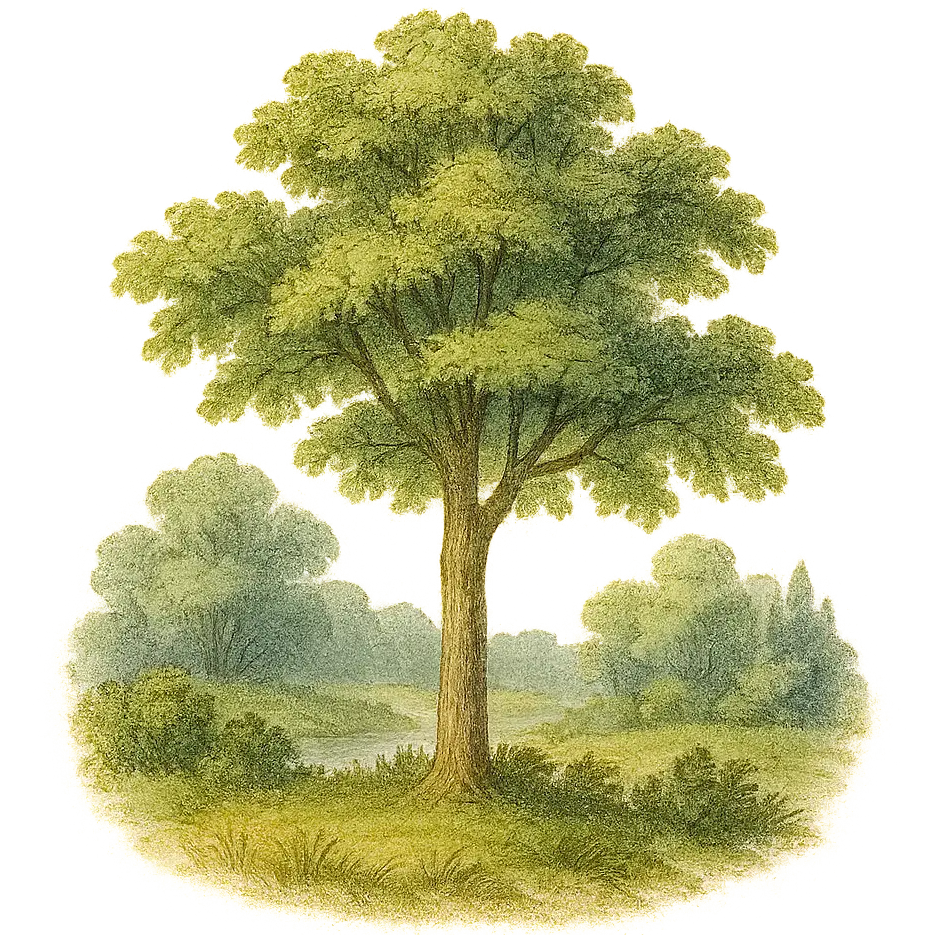
This tree thrives in tropical and subtropical regions, often growing along roadsides, in parks and in moist deciduous forests.
Read more
CULINARY USE
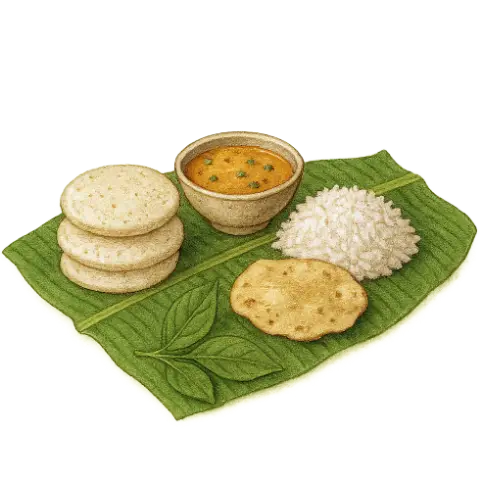
Dried Silk Cotton Tree flowers are cooked in Myanmar and used in traditional dishes. In Thailand, dried flower cores are used in soups and curries. In India, young flower buds were historically eaten as a vegetable, while in southern China dried flowers are brewed into tea or soup for their cooling effect.
Read more

FOUND HERE
Behind Lake Sector opposite Glenridge
Read more

DO YOU KNOW?
When the tree flowers without leaves, it forms a brilliant scarlet canopy, making it one of the most visually dramatic trees of the dry season.


EARTH CHALLENGE
Why does the Silk Cotton Tree appear especially striking during flowering?