
Bridelia retusa,
Phyllanthacea
Spinous Kino Tree
AKA: Asana, Ekaveera
ORIGIN
Native
GEOGRAPHIC RANGE
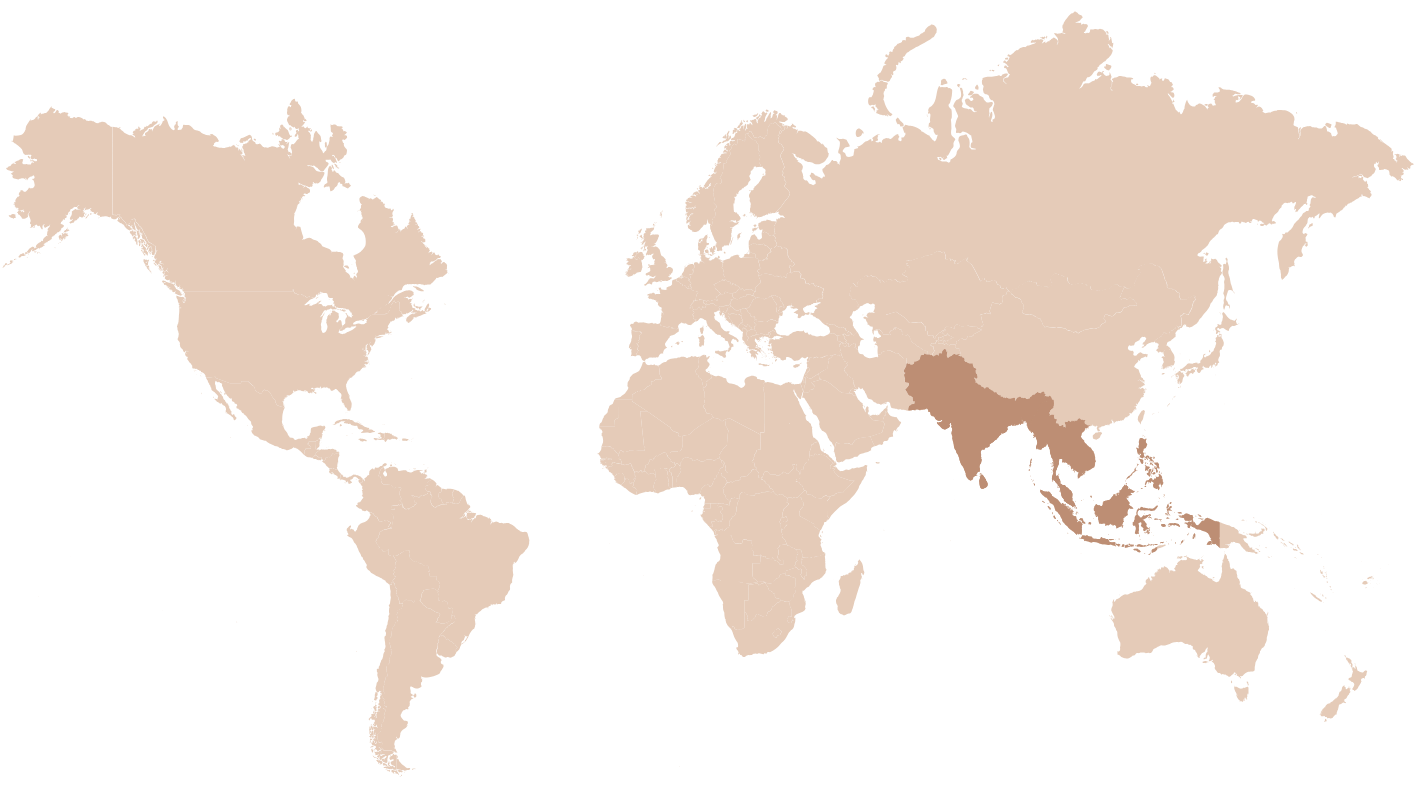
This tree is native to South and Southeast Asia. It is found throughout India, Sri Lanka, Nepal, Bangladesh, Myanmar, Thailand and Malaysia. In India, it grows naturally in the Himalayan foothills, Western and Eastern Ghats and Central and Southern forests.

HEIGHT
20 m

CONSERVATION STATUS
Least Concern on the
IUCN Red List
IUCN RED LIST
Established in 1964, The IUCN Red List is a critical indicator of the health of the world’s biodiversity. Species are classified by the IUCN Red List into nine groups, through criteria such as rate of decline, population size and area of geographic distribution as:
- Extinct (EX) – This species is no longer extant
- Extinct in the wild (EW) – Survives only in captivity, or through cultivation often outside native range
- Critically endangered (CR) – In an extremely critical state
- Endangered (EN) – Very high risk of extinction in the wild
- Vulnerable (VU) – At high risk of unnatural (human-caused) extinction
- Near Threatened (NT) – Close to being endangered in the near future
- Least Concern (LC) – Widespread and abundant in the wild
- Data Deficient (DD) – Inadequate information to assess extinction risk
- Not Evaluated (NE) – Has not yet been assessed
ORIGIN
Native
HEIGHT
20 m

GEOGRAPHIC RANGE
This tree is native to South and Southeast Asia. It is found throughout India, Sri Lanka, Nepal, Bangladesh, Myanmar, Thailand and Malaysia. In India, it grows naturally in the Himalayan foothills, Western and Eastern Ghats and Central and Southern forests.
CONSERVATION STATUS
Least Concern on the
IUCN Red List
BARK, FOLIAGE, FRUIT & FLOWER
Bark: The bark is dark grey to brown, rough and fissured and releases a reddish gum when cut. Young branches may bear sharp spines. Bark is tannin-rich, producing reddish kino used medicinally and industrially.
Leaves: Simple, glossy, with notched tips; used in external treatments.
Flowers & Fruit: Small yellowish-green flowers; dark ripe fruits eaten by wildlife and people.
Leaves: Simple, glossy, with notched tips; used in external treatments.
Flowers & Fruit: Small yellowish-green flowers; dark ripe fruits eaten by wildlife and people.

GENERAL DESCRIPTION
Spinous Kino Tree is a small to medium-sized deciduous tree growing about 6 - 15 meters tall, with a short trunk and an irregular, spreading crown. Leaves are simple, glossy green above and pale beneath. Small yellowish-green flowers appear in clusters, followed by round fruits that turn black or purple when ripe. The wood is strong and durable, making it useful for tools and fuelwood.
Read more

MEDICINAL USE
Highly valued in traditional medicine, the Spinous Kino Tree bark is used for diarrhea, ulcers and skin diseases. Leaves are applied to wounds and inflammation, roots for fever and fruits for urinary disorders. High tannin content adds to its healing properties.
Read more
ECOLOGICAL IMPORTANCE
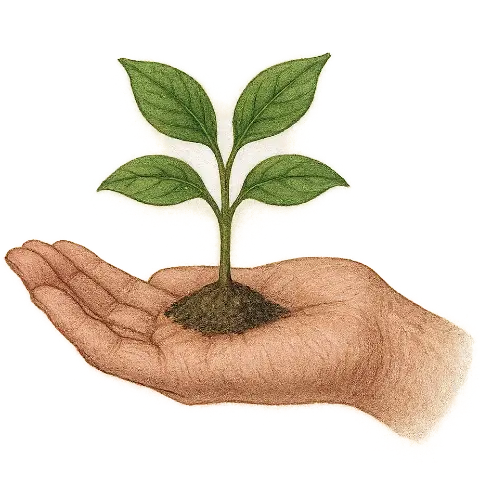
The dark fruits of the Spinous Kino Tree attract birds and small mammals, aiding natural seed dispersal. The tree stabilizes soil on dry slopes and riverbanks and regenerates well from stumps, making it useful for forest restoration.
Read more
CULTURAL SIGNIFICANCE
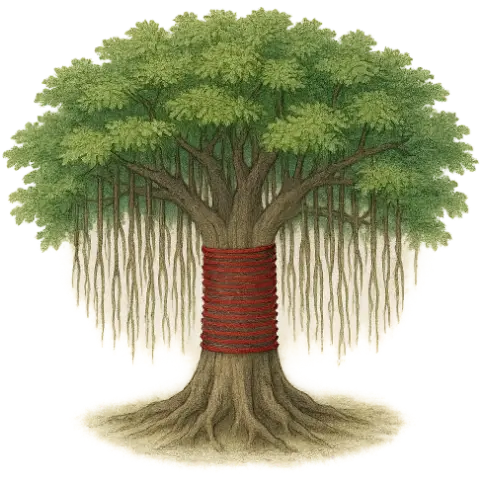
The reddish bark gum is used in leather tanning and fabric dyeing. The tree also hosts lac insects and is sometimes planted near homes or temples for shade and protection.
Read more
HABITAT
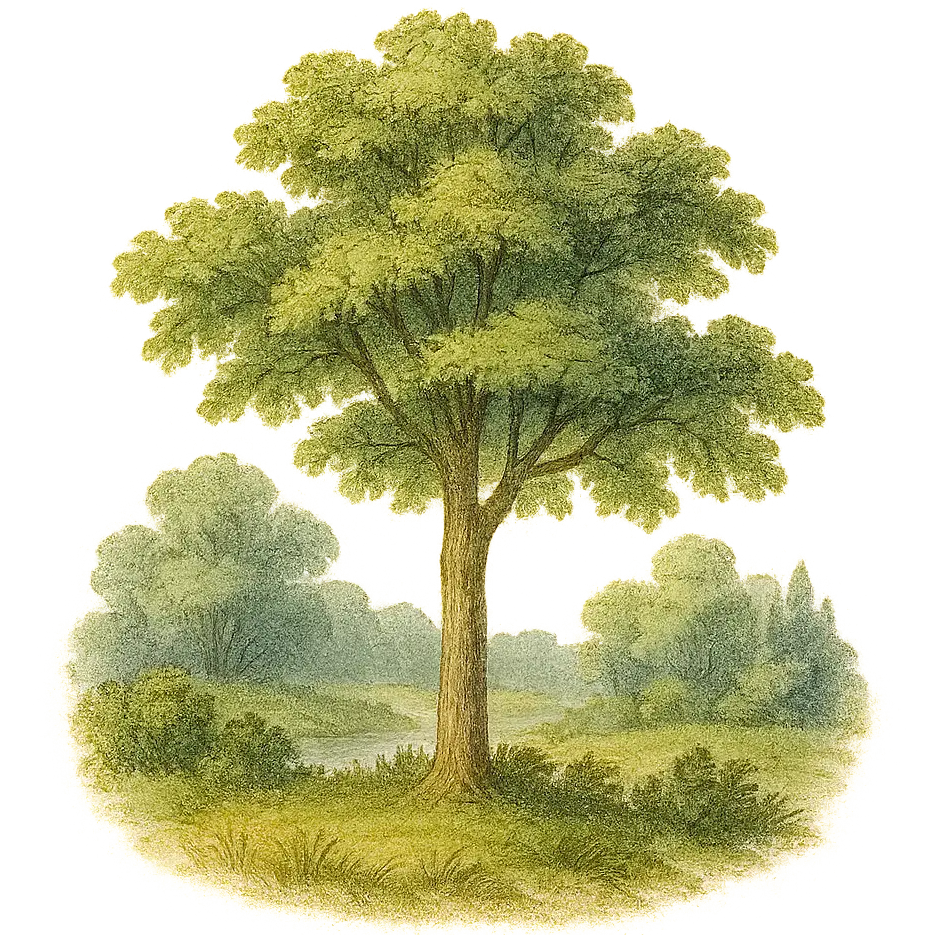
This tree prefers well-drained rocky or sandy soils and is often seen along forest margins, riverbanks and roadsides. The species is hardy and drought-resistant, making it well adapted to tropical and subtropical climates. It thrives in dry deciduous and mixed forests up to an altitude of 1,200 m.
Read more

CULINARY USE
Ripe fruits are edible, mildly sweet to astringent and occasionally used locally in chutneys or fermented drinks.
Read more

FOUND HERE
Kavesar Garden
Read more

DO YOU KNOW?
The name 'retusa' refers to the slightly notched tips of its leaves, a small detail that helps identify the tree.


EARTH CHALLENGE
Why was the bark gum of the Spinous Kino Tree traditionally valued?