
Butea monosperma,
Fabaceae
Flame of the Forest
AKA: Palash
ORIGIN
Native
GEOGRAPHIC RANGE
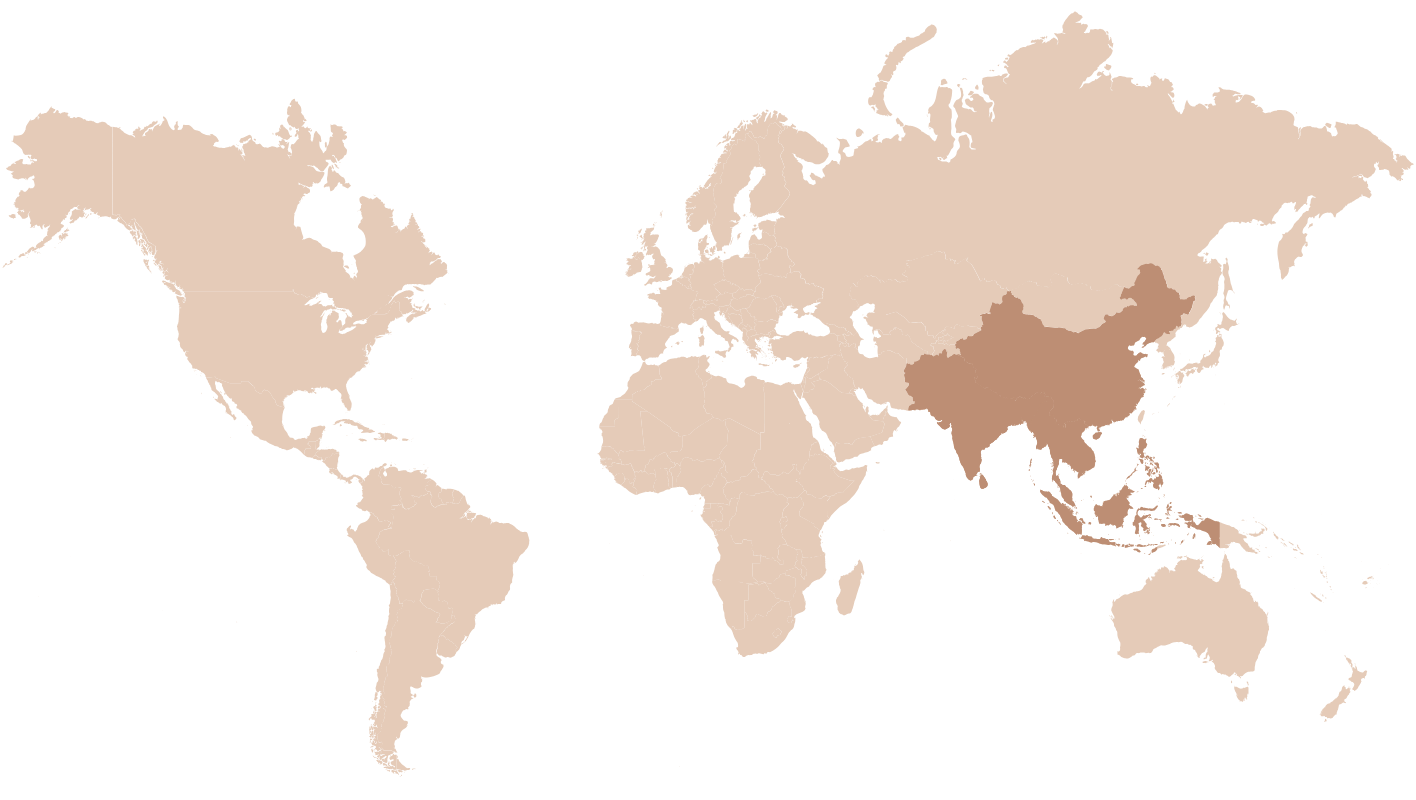
Native to tropical and subtropical regions of South and Southeast Asia, it is widely distributed across India, Nepal, Bangladesh, Myanmar, Thailand, Sri Lanka and parts of Indochina.
HEIGHT
5 - 15 m

CONSERVATION STATUS
Least Concern on the
IUCN Red List
IUCN RED LIST
Established in 1964, The IUCN Red List is a critical indicator of the health of the world’s biodiversity. Species are classified by the IUCN Red List into nine groups, through criteria such as rate of decline, population size and area of geographic distribution as:
- Extinct (EX) – This species is no longer extant
- Extinct in the wild (EW) – Survives only in captivity, or through cultivation often outside native range
- Critically endangered (CR) – In an extremely critical state
- Endangered (EN) – Very high risk of extinction in the wild
- Vulnerable (VU) – At high risk of unnatural (human-caused) extinction
- Near Threatened (NT) – Close to being endangered in the near future
- Least Concern (LC) – Widespread and abundant in the wild
- Data Deficient (DD) – Inadequate information to assess extinction risk
- Not Evaluated (NE) – Has not yet been assessed
ORIGIN
Native
HEIGHT
5 - 15 m
GEOGRAPHIC RANGE
Native to tropical and subtropical regions of South and Southeast Asia, it is widely distributed across India, Nepal, Bangladesh, Myanmar, Thailand, Sri Lanka and parts of Indochina.
CONSERVATION STATUS
Least Concern on the
IUCN Red List
BARK, FOLIAGE, FRUIT & FLOWER
Bark: Rough and greyish-brown; used for its astringent and medicinal properties.
Leaves: Large, trifoliate and leathery; shed seasonally and used for leaf plates. They enrich the soil after falling.
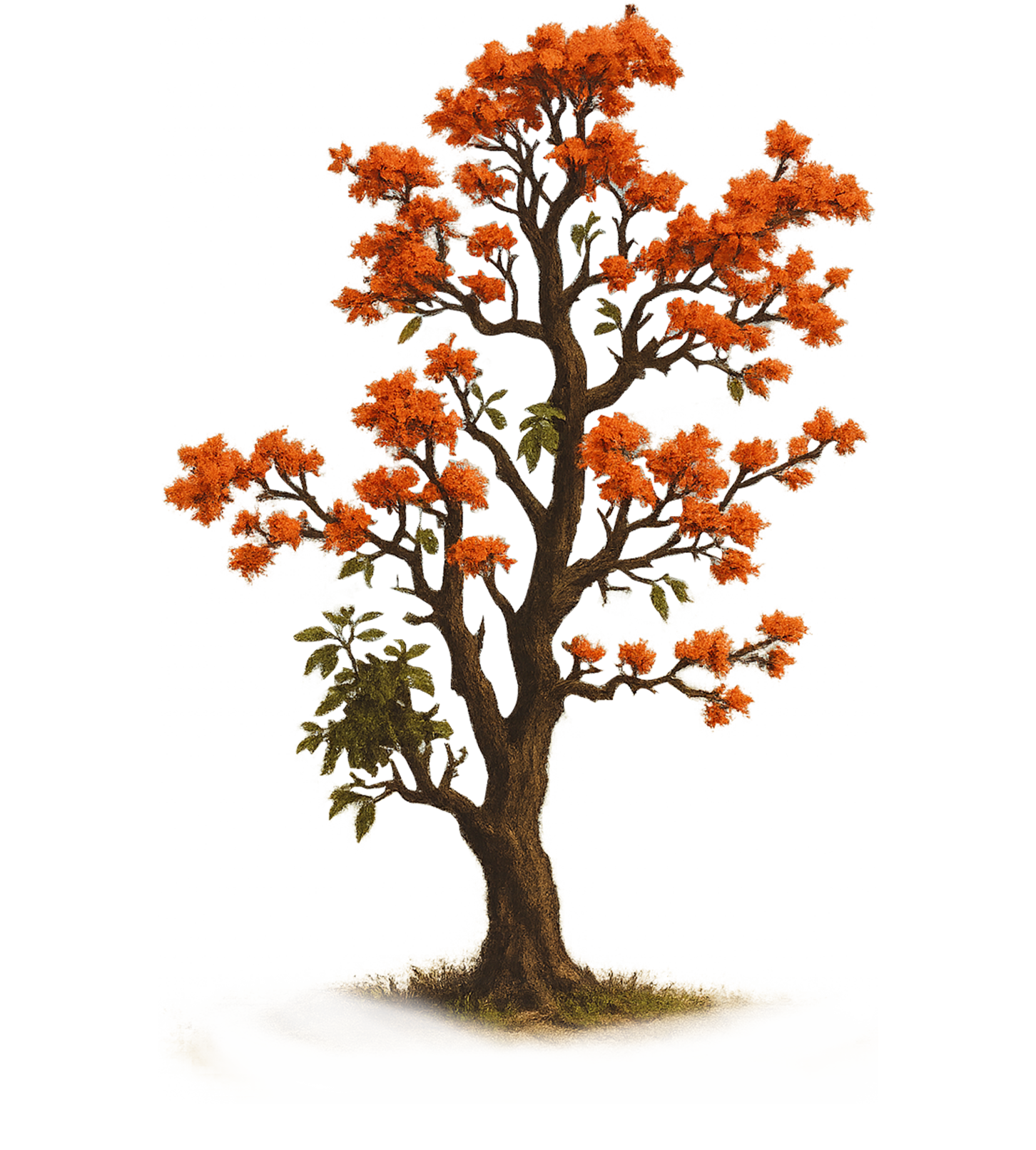
Flowers & Fruit: Bright orange-red, pea-shaped flowers bloom before leafing, creating a flaming appearance. Flat pods develop after flowering, usually with one seed.
Leaves: Large, trifoliate and leathery; shed seasonally and used for leaf plates. They enrich the soil after falling.
Flowers & Fruit: Bright orange-red, pea-shaped flowers bloom before leafing, creating a flaming appearance. Flat pods develop after flowering, usually with one seed.

GENERAL DESCRIPTION
Flame of the Forest is a medium-sized deciduous tree growing up to about 15 meters tall. It is famous for its brilliant orange-red flowers that appear in dense clusters before new leaves emerge, making the entire tree look as if it is on fire. The bark is rough and greyish-brown, while the leaves are large, leathery and trifoliate, meaning each leaf is divided into three leaflets. The pea-shaped flowers attract birds and bees and after flowering the tree produces flat pods, each usually containing a single seed.
Read more
MEDICINAL USE
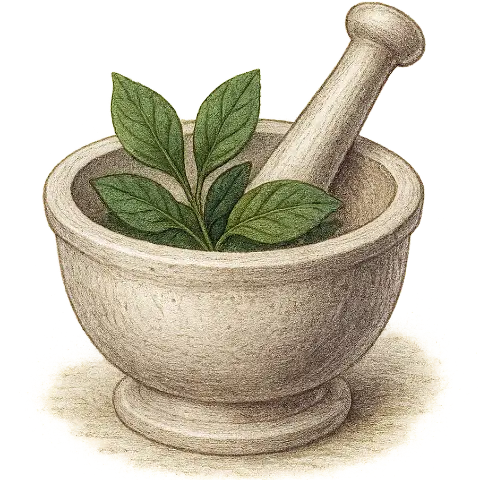
Widely used in Ayurveda and folk medicine, the Flame of the Forest or Palash flowers are used as tonics and for skin problems. The bark is astringent and anti-inflammatory, used for digestive disorders. Seeds are used against intestinal worms and the gum, known as Palash gum, is used in treating diarrhea and diabetes.
Read more
ECOLOGICAL IMPORTANCE
The Flame of the Forest tree provides abundant nectar for birds, bees and insects during the dry season when few other trees are in bloom. It also hosts the lac insect, which produces shellac. Its fallen leaves improve soil fertility, helping in soil conservation and ecological restoration.
Read more
CULTURAL SIGNIFICANCE
Regarded as sacred in Indian tradition, the Flame of the Forest tree is associated with fire, purity and the god Agni. It is frequently mentioned in ancient texts and poetry for its dramatic beauty and symbolism.
Read more
HABITAT
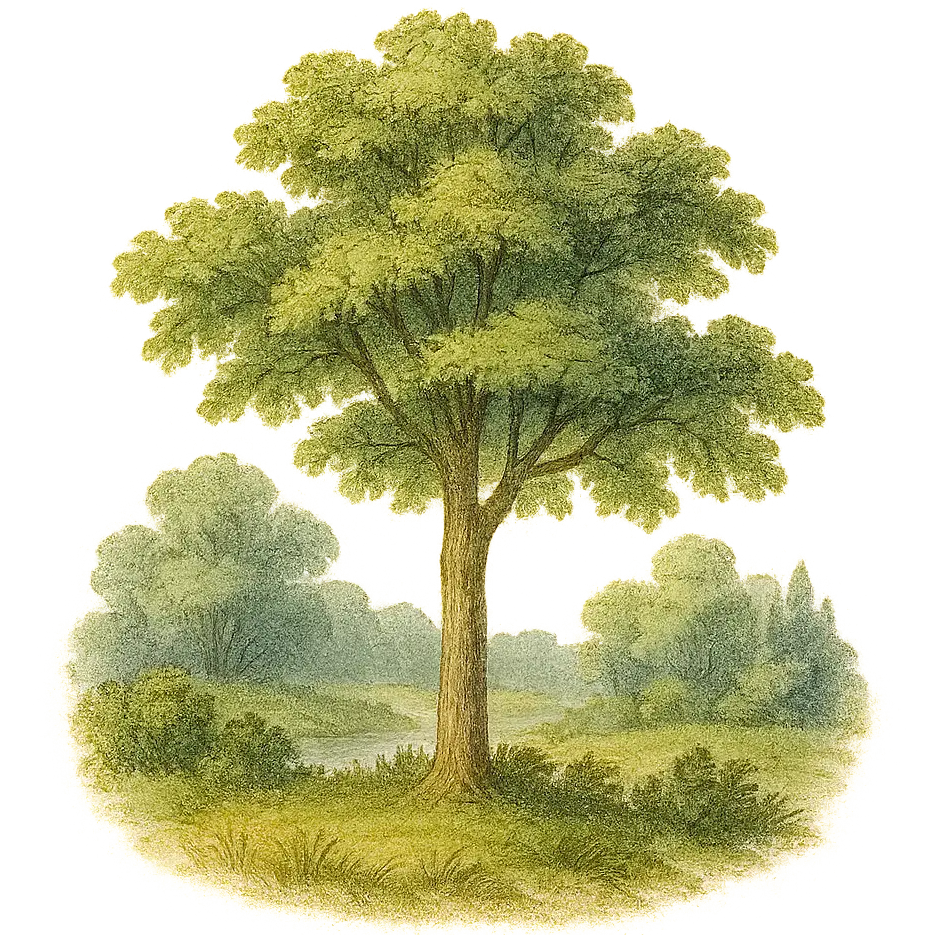
In India, the Flame of the Forest tree thrives in dry deciduous forests, plains and open grasslands, often at elevations up to 1200 m. It is well-adapted to poor, dry soils and is commonly found along roadsides and forest margins.
Read more

CULINARY USE
Flame of the Forest flowers are used to prepare a traditional herbal drink, especially during Holi. In some regions, tender leaves are used as natural plates for serving food.
Read more

FOUND HERE
Near Acacia Bldg Garden
Read more

DO YOU KNOW?
The bright flowers of the Flame of the Forest were traditionally used as a natural dye for fabrics and to make coloured water for the Holi festival.

EARTH CHALLENGE
What gives the Flame of the Forest its dramatic flaming appearance?