
Careya arborea,
Lecythidaceae
Ceylon Oak
AKA: Kumbha, Wild Guava
ORIGIN
Native
GEOGRAPHIC RANGE
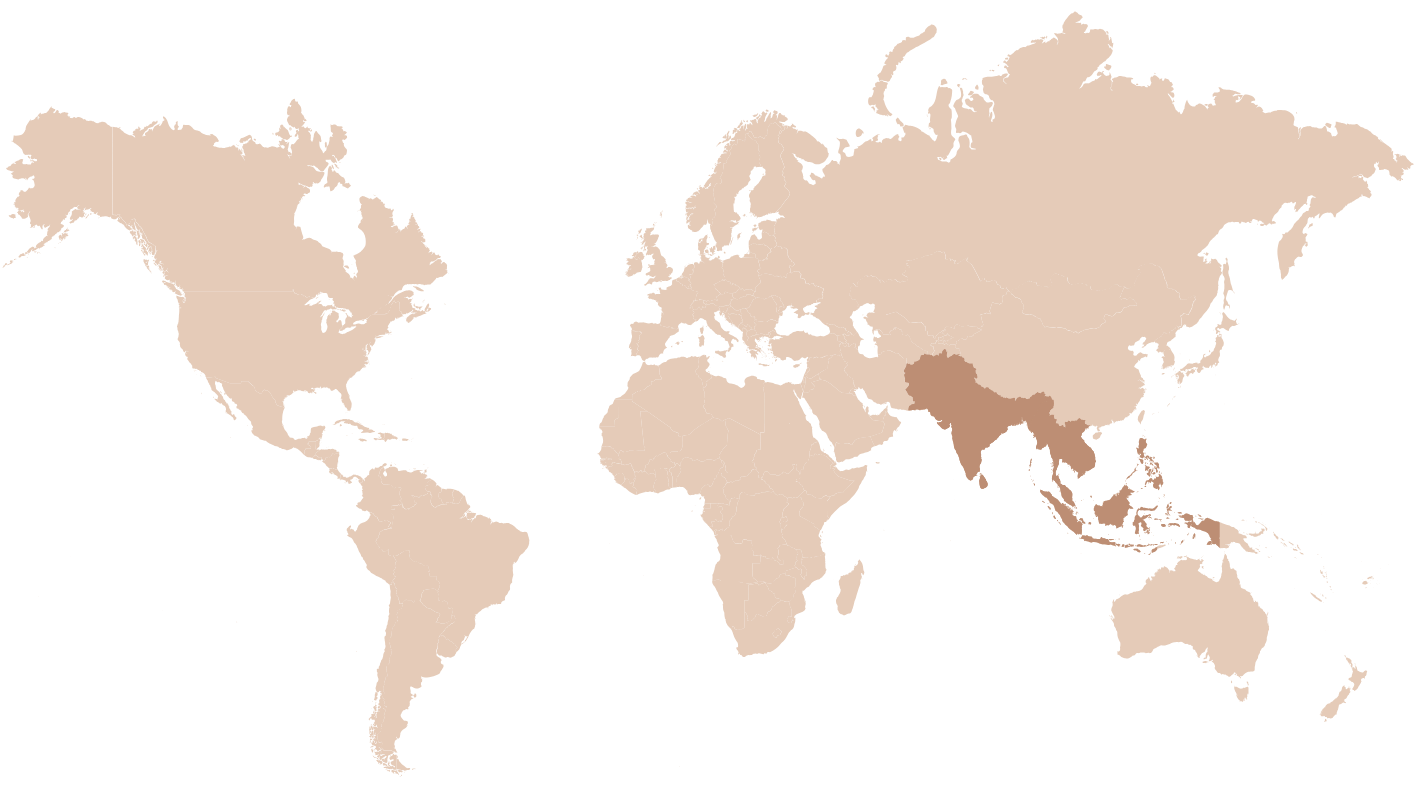
The Ceylon Oak is native to South and Southeast Asia. It is widely found in India, Sri Lanka, Nepal, Myanmar, Thailand, Laos, Vietnam. In India, it grows naturally across the Western Ghats, Central India, Eastern Ghats and parts of the Himalayas.
HEIGHT
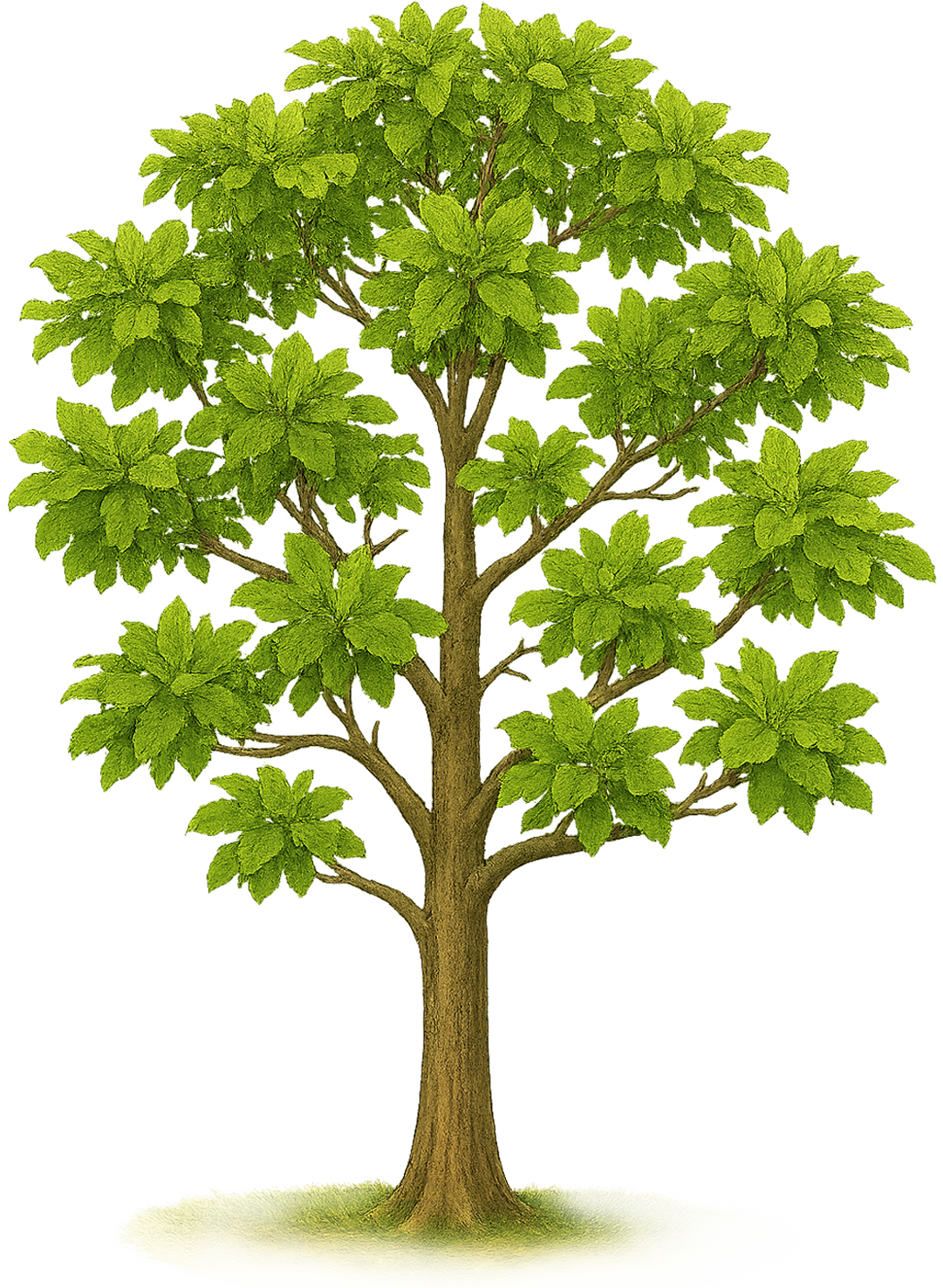
upto 15 m

CONSERVATION STATUS
Least Concern on the
IUCN Red List
IUCN RED LIST
Established in 1964, The IUCN Red List is a critical indicator of the health of the world’s biodiversity. Species are classified by the IUCN Red List into nine groups, through criteria such as rate of decline, population size and area of geographic distribution as:
- Extinct (EX) – This species is no longer extant
- Extinct in the wild (EW) – Survives only in captivity, or through cultivation often outside native range
- Critically endangered (CR) – In an extremely critical state
- Endangered (EN) – Very high risk of extinction in the wild
- Vulnerable (VU) – At high risk of unnatural (human-caused) extinction
- Near Threatened (NT) – Close to being endangered in the near future
- Least Concern (LC) – Widespread and abundant in the wild
- Data Deficient (DD) – Inadequate information to assess extinction risk
- Not Evaluated (NE) – Has not yet been assessed
ORIGIN
Native
HEIGHT
upto 15 m

GEOGRAPHIC RANGE
The Ceylon Oak is native to South and Southeast Asia. It is widely found in India, Sri Lanka, Nepal, Myanmar, Thailand, Laos, Vietnam. In India, it grows naturally across the Western Ghats, Central India, Eastern Ghats and parts of the Himalayas.
CONSERVATION STATUS
Least Concern on the
IUCN Red List
BARK, FOLIAGE, FRUIT & FLOWER
Bark: Thick and fibrous; used for slow matches, medicine and craft materials.
Leaves: Large and obovate; turn red or orange before shedding and are used medicinally and as food.
Flowers & Fruit: Showy, stamen-rich flowers bloom before leafing; hard, globose fruits with firm pulp aid dispersal.
Leaves: Large and obovate; turn red or orange before shedding and are used medicinally and as food.
Flowers & Fruit: Showy, stamen-rich flowers bloom before leafing; hard, globose fruits with firm pulp aid dispersal.

GENERAL DESCRIPTION
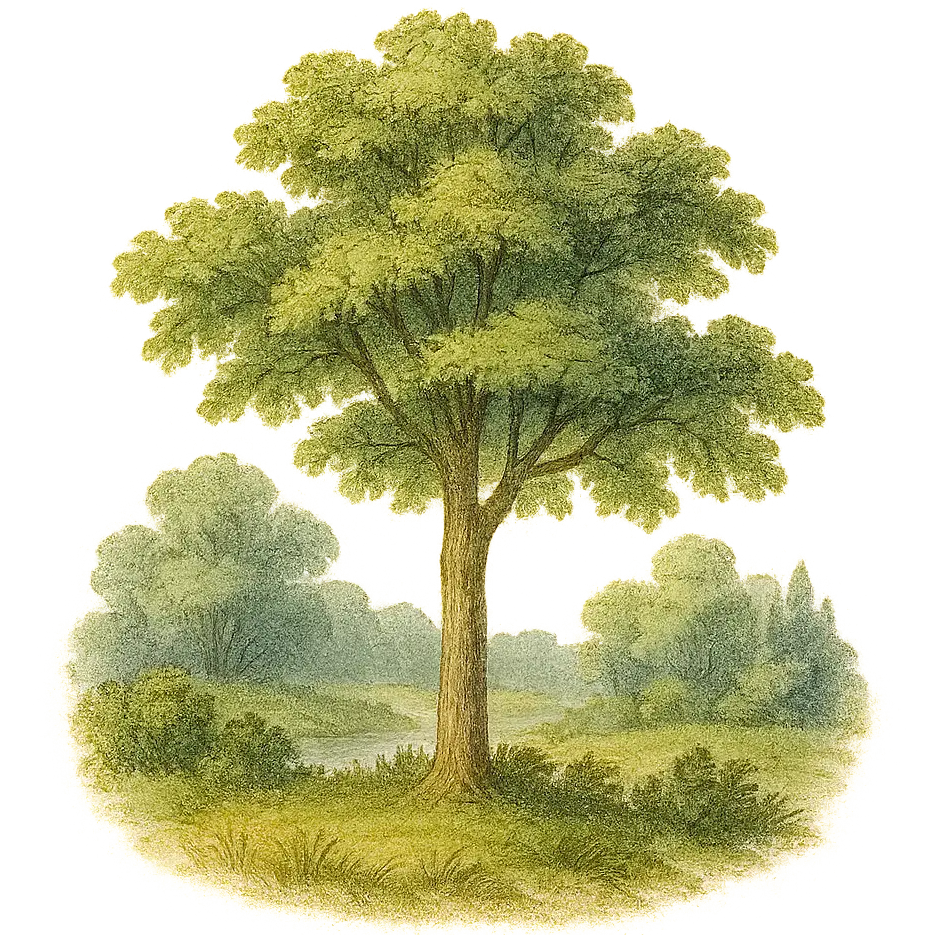
Ceylon Oak is a medium-sized deciduous tree growing about 10 - 15 meters tall, with a spreading crown and a strong, upright form. It is especially striking during the dry season when its large, obovate leaves turn bright red or orange before falling. The tree produces large, brush-like flowers that are white to pale yellow, with many long stamens and these appear before new leaves emerge. The fruits are large, hard and round, resembling guava in shape but not in sweetness. The fibrous bark was historically used for making slow-burning matches, giving the tree its name "Slow Match Tree."
Read more

MEDICINAL USE
In traditional medicine, the Ceylon Oak bark is used as an astringent for diarrhea, dysentery and skin ailments. Leaves are applied to wounds and inflammatory conditions. Flowers are valued for their cooling effect and are used in decoctions for fever and digestive problems. Fruits are used in folk remedies for respiratory issues and as a mild laxative.
Read more
ECOLOGICAL IMPORTANCE
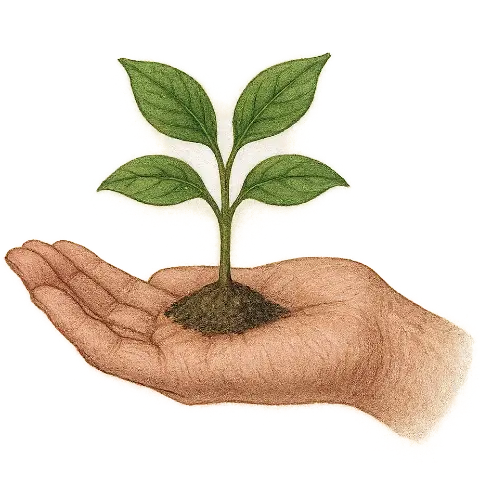
The Ceylon Oak flowers open in the evening or early morning and attract bees, bats and other pollinators. The hard, buoyant fruits aid natural seed dispersal, while the tree's deep root system helps stabilize soil in deciduous forest landscapes. It supports both pollinators and fruit-eating wildlife.
Read more
CULTURAL SIGNIFICANCE
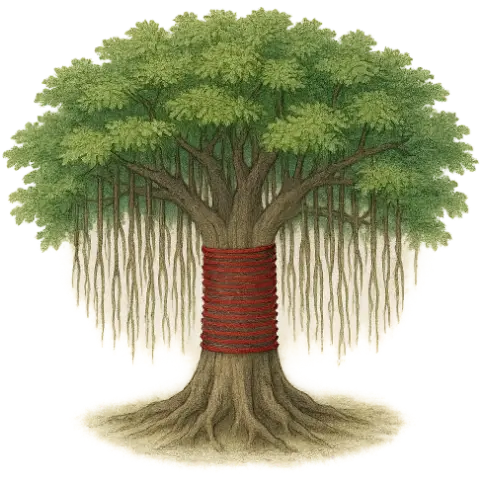
The Ceylon Oak tree holds cultural importance in many regions of India as a ritual and medicinal species. Tribal communities use its bark, leaves and fibres for crafts, cordage and utensils. Knowledge of its uses has been passed down through generations as part of traditional ecological practices.
Read more
HABITAT
Grows common in dry deciduous forests, plains and hilly regions with a preference for well-drained, sandy to loamy soils.
Read more

CULINARY USE
Although the Ceylon Oak fruit is not sweet, the inner pulp is sometimes cooked and used in traditional tribal dishes. Tender leaves are eaten as a vegetable or salad by some indigenous communities, particularly in Northeast India.
Read more

FOUND HERE
Lexington
Read more

DO YOU KNOW?
The bark of Ceylon Oak was once used to make slow-burning matches for lighting cannons, long before modern ignition methods existed.


EARTH CHALLENGE
Why is Careya arborea or Ceylon Oak called the Slow Match Tree ?