
Cassia fistula,
Caesalpiniaceae
Indian Laburnum
AKA: Golden Shower Tree, Bahawa, Amaltas
ORIGIN
Native
GEOGRAPHIC RANGE
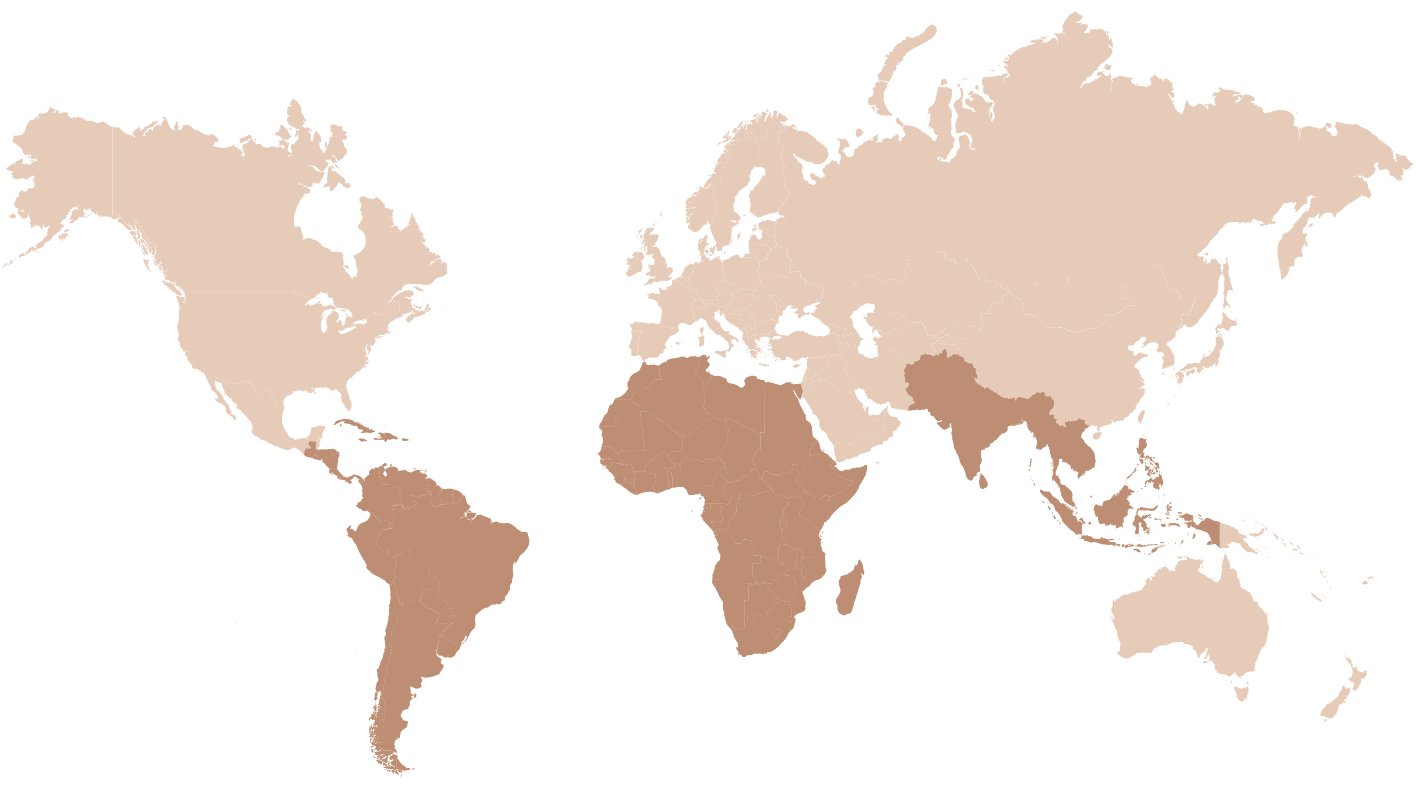
Commonly identified as Amaltas, this tree is native to South Asia, particularly India, Sri Lanka and Myanmar. It is widely cultivated across tropical and subtropical regions around the world, including Southeast Asia, Africa, the Caribbean and Central and South America. In India, it is often planted as an ornamental and avenue tree due to its vibrant floral display and resilience to drought conditions.
HEIGHT
10 - 20 m

CONSERVATION STATUS
Least Concern on the
IUCN Red List
IUCN RED LIST
Established in 1964, The IUCN Red List is a critical indicator of the health of the world’s biodiversity. Species are classified by the IUCN Red List into nine groups, through criteria such as rate of decline, population size and area of geographic distribution as:
- Extinct (EX) – This species is no longer extant
- Extinct in the wild (EW) – Survives only in captivity, or through cultivation often outside native range
- Critically endangered (CR) – In an extremely critical state
- Endangered (EN) – Very high risk of extinction in the wild
- Vulnerable (VU) – At high risk of unnatural (human-caused) extinction
- Near Threatened (NT) – Close to being endangered in the near future
- Least Concern (LC) – Widespread and abundant in the wild
- Data Deficient (DD) – Inadequate information to assess extinction risk
- Not Evaluated (NE) – Has not yet been assessed
ORIGIN
Native
HEIGHT
10 - 20 m
GEOGRAPHIC RANGE
Commonly identified as Amaltas, this tree is native to South Asia, particularly India, Sri Lanka and Myanmar. It is widely cultivated across tropical and subtropical regions around the world, including Southeast Asia, Africa, the Caribbean and Central and South America. In India, it is often planted as an ornamental and avenue tree due to its vibrant floral display and resilience to drought conditions.
CONSERVATION STATUS
Least Concern on the
IUCN Red List
BARK, FOLIAGE, FRUIT & FLOWER
Bark: Smooth and grey; used traditionally for medicinal preparations.
Leaves: Compound leaves with multiple leaflets, forming a light canopy and used in traditional remedies.
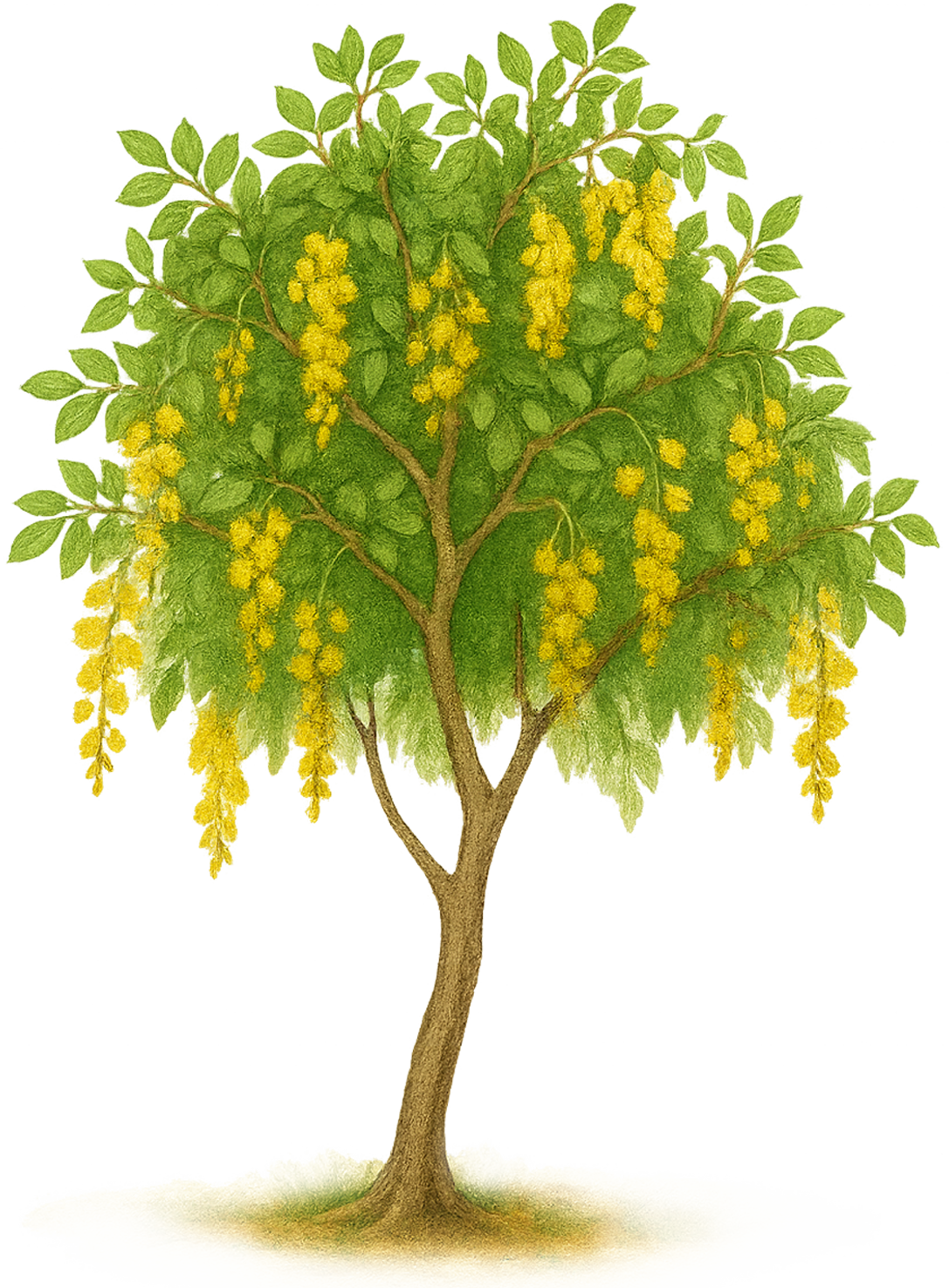
Flowers & Fruit: Long, pendulous clusters of bright yellow flowers bloom in late spring and early summer; cylindrical pods contain seeds set in sticky pulp.
Leaves: Compound leaves with multiple leaflets, forming a light canopy and used in traditional remedies.
Flowers & Fruit: Long, pendulous clusters of bright yellow flowers bloom in late spring and early summer; cylindrical pods contain seeds set in sticky pulp.

GENERAL DESCRIPTION
Indian Laburnum is a medium-sized deciduous tree growing about 10 - 20 meters tall, with a straight trunk and smooth grey bark. It is best known for its long, hanging clusters of bright yellow flowers that bloom in late spring and early summer, often covering the tree in a golden curtain. The leaves are compound, made up of 4 - 8 pairs of leaflets that create a light, airy canopy. After flowering, the tree produces long, cylindrical pods filled with shiny dark seeds embedded in a sticky pulp.
Read more
MEDICINAL USE
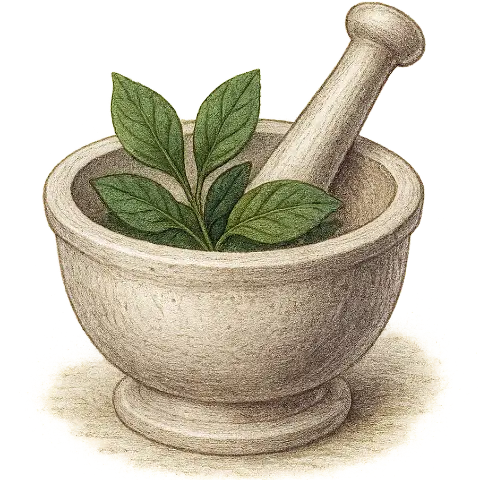
In Ayurvedic medicine, the Indian Laburnum fruit pulp is used as a mild laxative and for treating fever, skin diseases and digestive disorders. The bark and leaves are valued for their antimicrobial, anti-inflammatory and antioxidant properties.
Read more
ECOLOGICAL IMPORTANCE
The abundant yellow flowers of the Indian Laburnum attract bees, butterflies and birds, making the tree important for pollinators. Its broad canopy provides shade, while its strong roots help stabilize soil in dry regions. The tree's drought tolerance also makes it suitable for urban planting and reforestation in tropical climates.
Read more
CULTURAL SIGNIFICANCE
Indian Laburnum holds strong cultural value across South and Southeast Asia, symbolizing prosperity, purity and renewal. It is the national tree of Thailand and is planted near Buddhist temples as a sacred species. In Kerala, it plays a central role in seasonal celebrations and rituals.
Read more
HABITAT
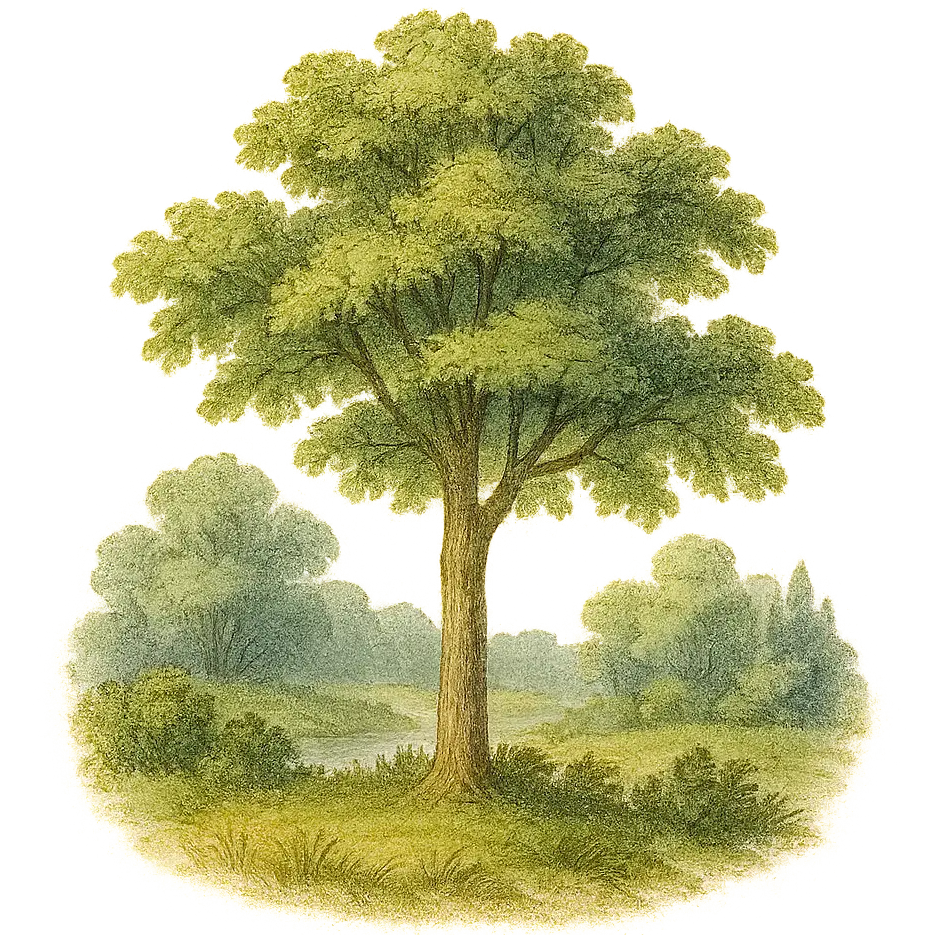
This tree grows well in dry climates, preferring the full sun and well-drained soil. It is relatively drought-tolerant and slightly salt-tolerant.
Read more
CULINARY USE
The Indian Laburnum tree is not commonly used as a food source. However, small quantities of the fruit pulp are sometimes included in traditional herbal preparations for their cleansing and detoxifying effects.
Read more

FOUND HERE
Tennis Court Garden
Read more

DO YOU KNOW?
Indian Laburnum is the state flower of Kerala, where its flowering coincides with the Vishu festival, symbolizing the traditional New Year and new beginnings.


EARTH CHALLENGE
What makes the Indian Laburnum especially important in Kerala?