
Cinnamomum tamala,
Lauraceae
Indian Bay Leaf
AKA: Tejpatta
ORIGIN
Native
GEOGRAPHIC RANGE
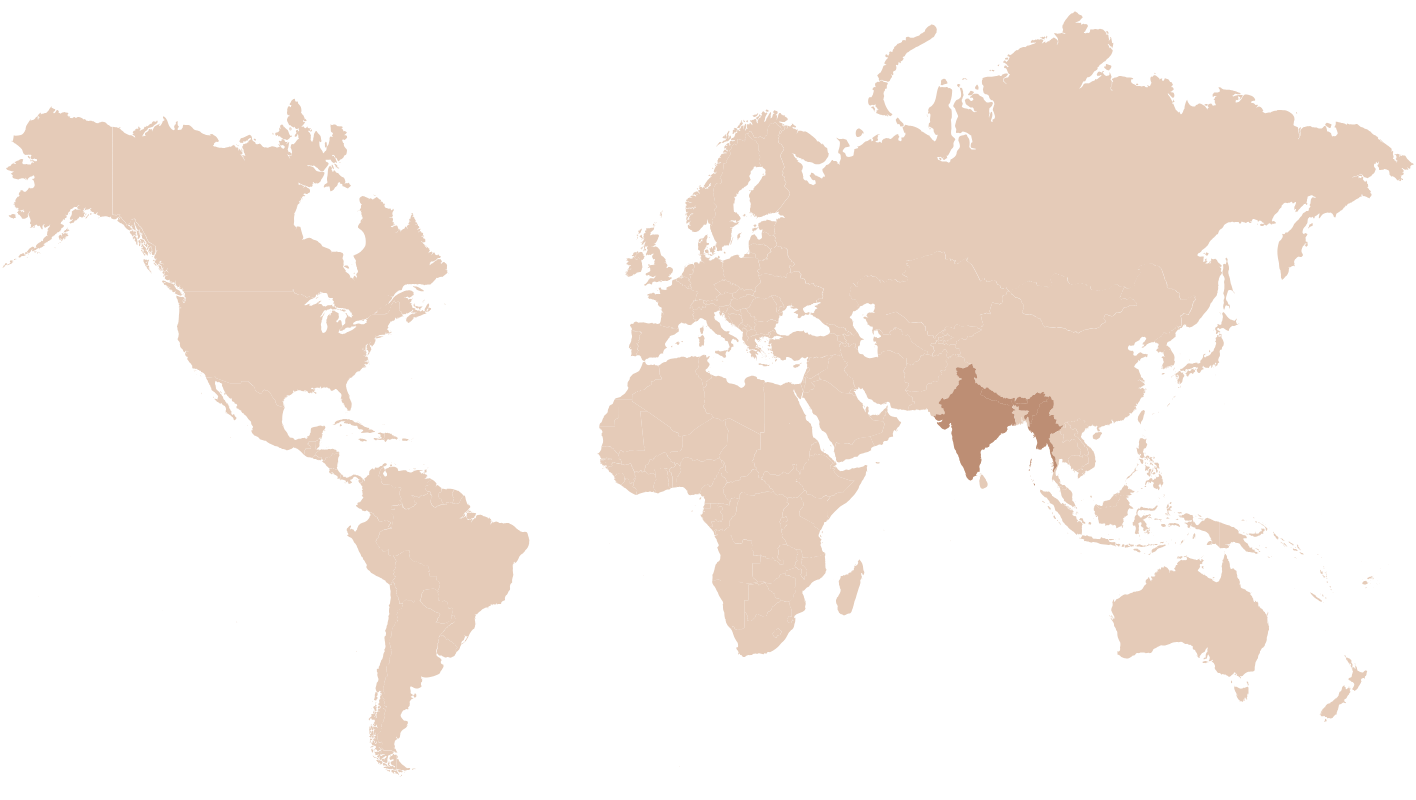
The Indian Bay Leaf is native to the Indian subcontinent, especially the Himalayan regions of India, Nepal, Bhutan and Sikkim, parts of Myanmar and the hill forests of North-East India.
HEIGHT
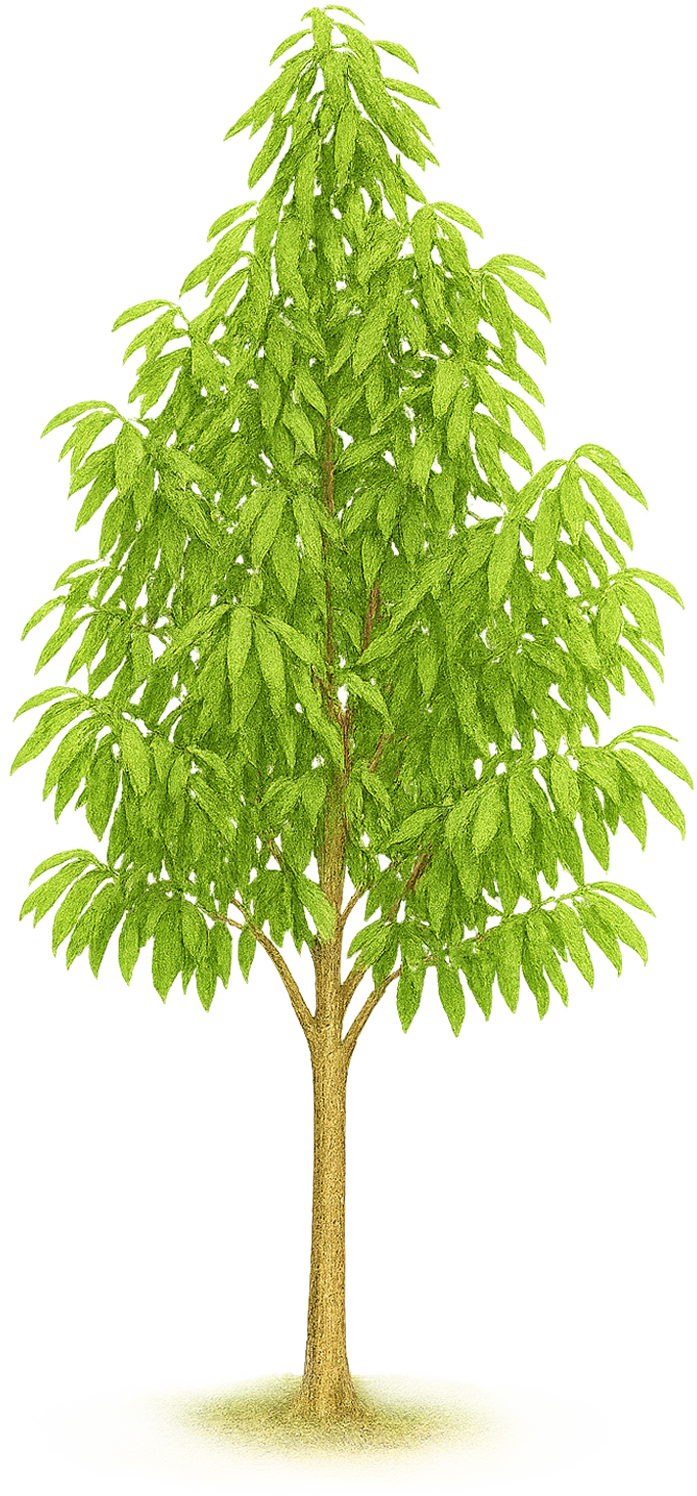
6 - 20 m

CONSERVATION STATUS
Least Concern on the
IUCN Red List
IUCN RED LIST
Established in 1964, The IUCN Red List is a critical indicator of the health of the world’s biodiversity. Species are classified by the IUCN Red List into nine groups, through criteria such as rate of decline, population size and area of geographic distribution as:
- Extinct (EX) – This species is no longer extant
- Extinct in the wild (EW) – Survives only in captivity, or through cultivation often outside native range
- Critically endangered (CR) – In an extremely critical state
- Endangered (EN) – Very high risk of extinction in the wild
- Vulnerable (VU) – At high risk of unnatural (human-caused) extinction
- Near Threatened (NT) – Close to being endangered in the near future
- Least Concern (LC) – Widespread and abundant in the wild
- Data Deficient (DD) – Inadequate information to assess extinction risk
- Not Evaluated (NE) – Has not yet been assessed
ORIGIN
Native
HEIGHT
6 - 20 m
GEOGRAPHIC RANGE
The Indian Bay Leaf is native to the Indian subcontinent, especially the Himalayan regions of India, Nepal, Bhutan and Sikkim, parts of Myanmar and the hill forests of North-East India.
CONSERVATION STATUS
Least Concern on the
IUCN Red List
BARK, FOLIAGE, FRUIT & FLOWER
Bark: Aromatic and used in traditional medicine and occasional flavouring.
Leaves: Leathery, fragrant and harvested year-round; used as a major culinary spice and medicinal ingredient.
Flowers & Fruit: Small yellowish flowers followed by dark purple berries that support forest wildlife.
Leaves: Leathery, fragrant and harvested year-round; used as a major culinary spice and medicinal ingredient.
Flowers & Fruit: Small yellowish flowers followed by dark purple berries that support forest wildlife.

GENERAL DESCRIPTION
Indian Bay Leaf is an aromatic evergreen tree growing about 6 - 12 meters tall, with a straight trunk and dense, glossy foliage. The leaves are leathery and lance-shaped, releasing a sweet, spicy aroma when crushed. Small yellowish flowers appear in clusters, followed by dark purple berries. The leaves, bark and oils of the tree are widely valued, especially the leaves, which are sustainably harvested and used as a long-term spice resource in South Asia. The wood and bark are secondary products, while the leaves remain the most important part of the tree.
Read more
MEDICINAL USE
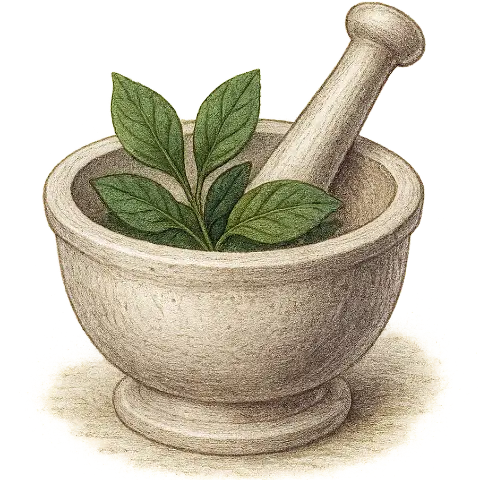
In Ayurveda, Indian Bay Leaf is used as a digestive aid and to improve metabolism. Leaves and bark are used to treat indigestion, flatulence, diabetes, respiratory problems, cough and cold. The plant shows antimicrobial, antioxidant and anti-inflammatory properties. Leaf oil is also used in aromatherapy and as a mild antiseptic.
Read more
ECOLOGICAL IMPORTANCE
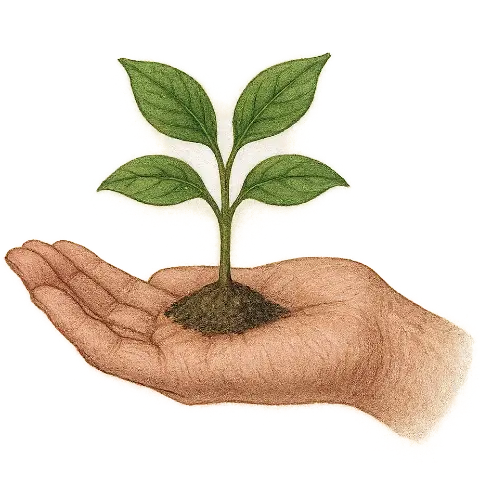
The tree grows well in hill and forest regions and supports agroforestry systems by providing shade and helping stabilize soil on slopes and terraced farmland. Its flowers offer nectar to insects and the dense canopy provides habitat for birds, supporting local forest biodiversity.
Read more
CULTURAL SIGNIFICANCE
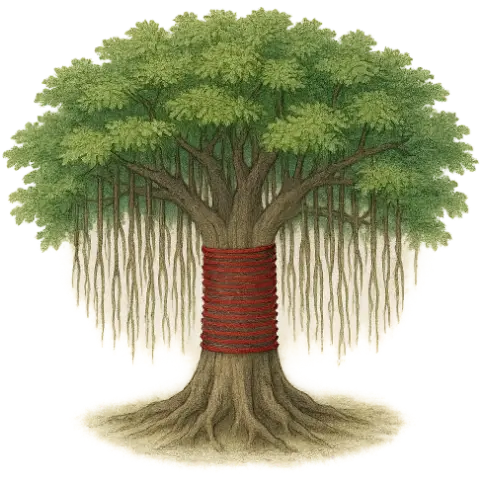
Indian Bay Leaf has long been valued in temple rituals and royal kitchens and continues to be important in Himalayan communities, where leaves are burned for purification. It supports local livelihoods in forest-dependent regions and is considered a heritage spice linking cuisine, culture and traditional medicine.
Read more
HABITAT
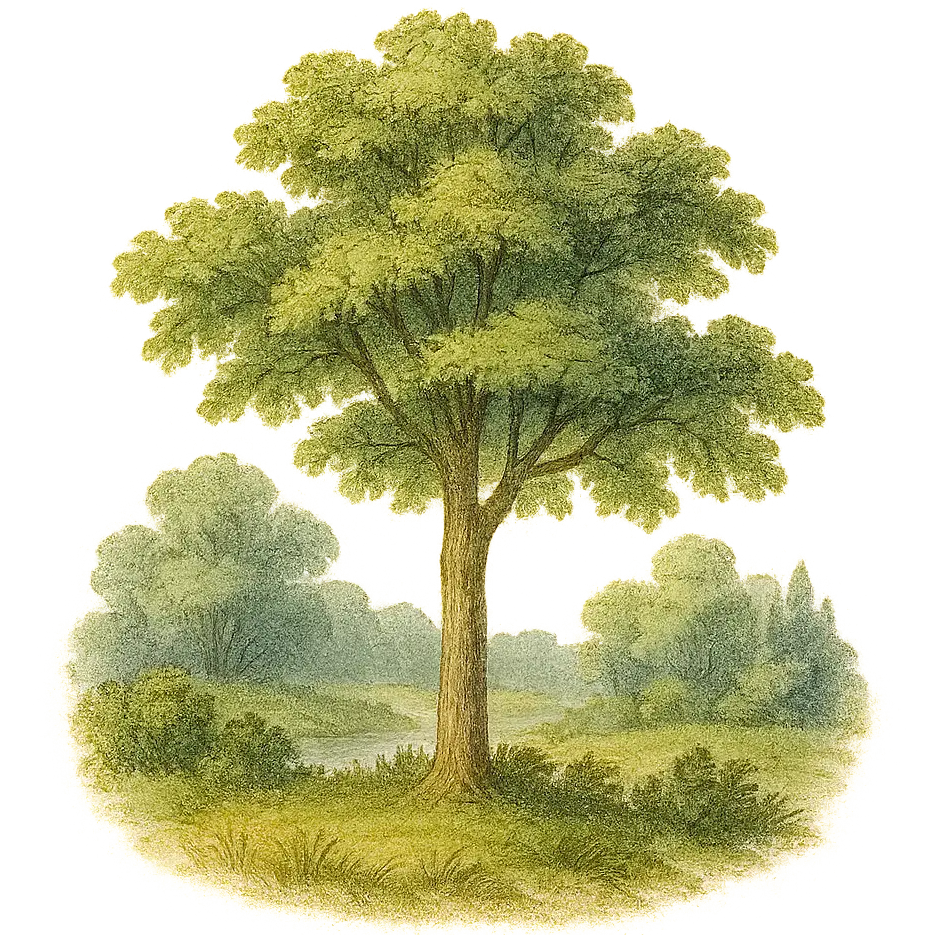
It thrives in subtropical to temperate climates, especially at elevations between 500 2,000 m, growing in moist, evergreen and mixed broadleaf forests.
Read more
CULINARY USE
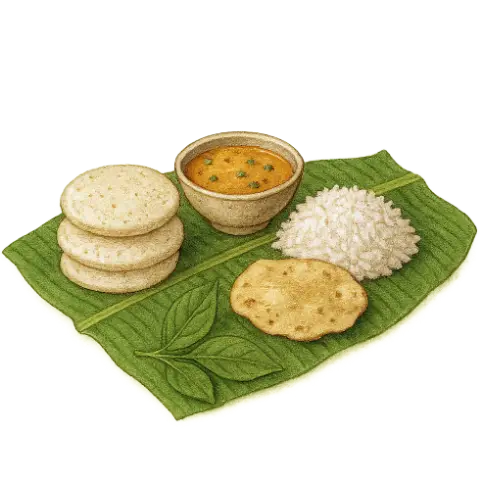
The aromatic leaves, known as tejpat, are widely used in Indian, Nepali and Bhutanese cooking. They are added to curries, biryani, soups, masalas and pickles, giving a mild, cinnamon-like flavour. The bark and essential oil are sometimes used for additional flavouring.
Read more
FOUND HERE
Skylark Bldg
Read more

DO YOU KNOW?
Indian Bay Leaf is often mistaken for Mediterranean bay leaf, but the two come from different plant families and have very different flavours and aromas.


EARTH CHALLENGE
What makes Indian Bay Leaf important as a sustainable spice crop?