
Cinnamomum verum,
Lauraceae
True Cinnamon
AKA: Dalchini
ORIGIN
Native
GEOGRAPHIC RANGE
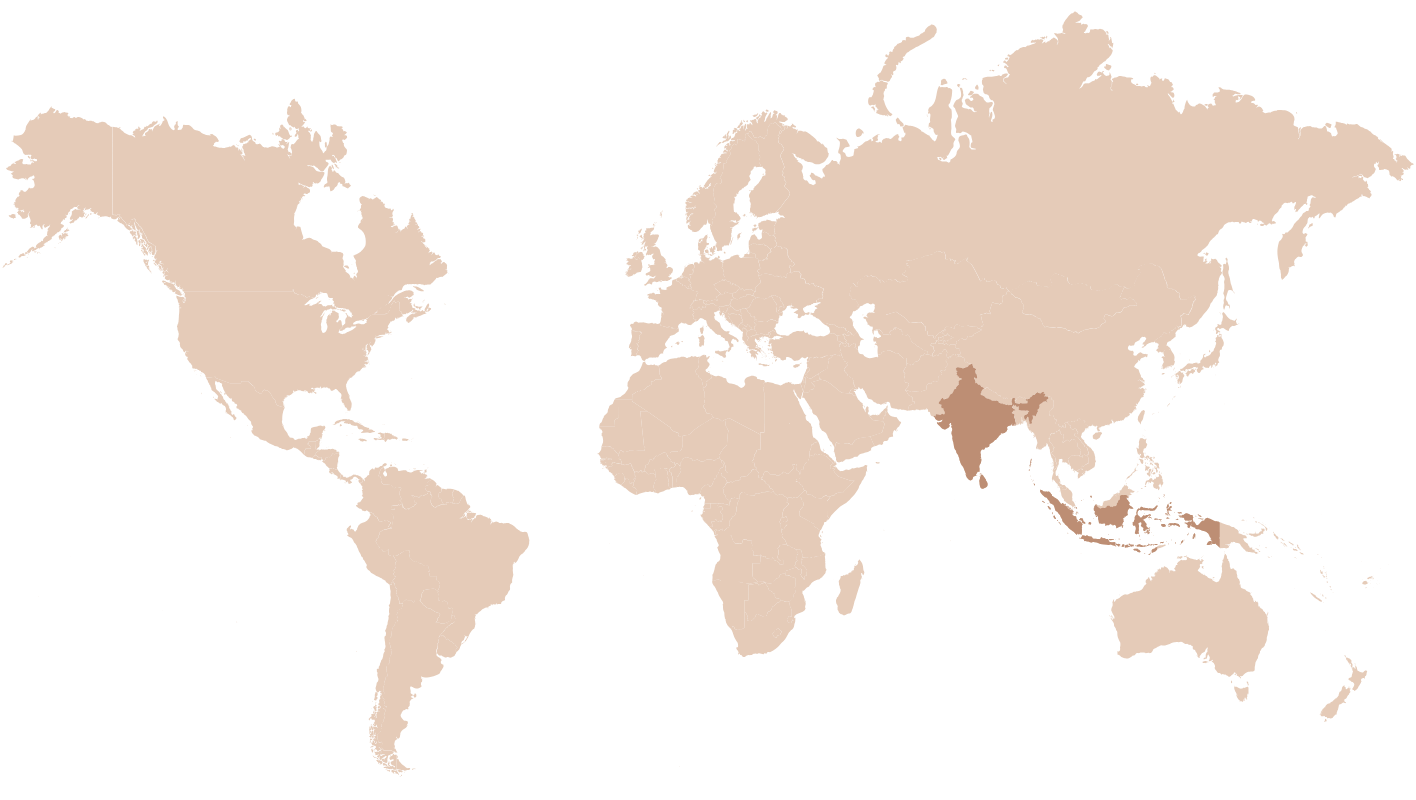
True Cinnamon is native to Sri Lanka and parts of southern India. Today, it is cultivated in Sri Lanka, India (Kerala, Tamil Nadu), Madagascar, Seychelles, Indonesia & other humid tropical regions.
HEIGHT
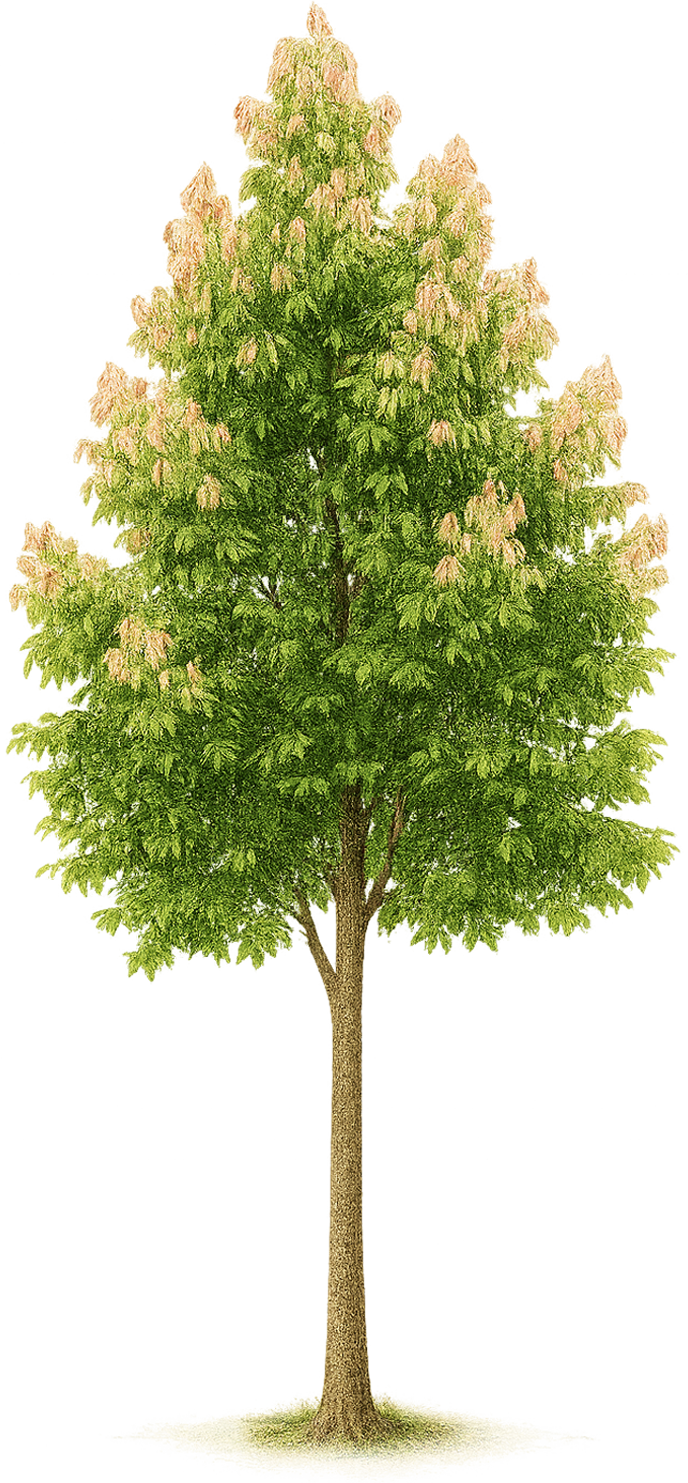
10 - 15 m

CONSERVATION STATUS
Least Concern on the
IUCN Red List
IUCN RED LIST
Established in 1964, The IUCN Red List is a critical indicator of the health of the world’s biodiversity. Species are classified by the IUCN Red List into nine groups, through criteria such as rate of decline, population size and area of geographic distribution as:
- Extinct (EX) – This species is no longer extant
- Extinct in the wild (EW) – Survives only in captivity, or through cultivation often outside native range
- Critically endangered (CR) – In an extremely critical state
- Endangered (EN) – Very high risk of extinction in the wild
- Vulnerable (VU) – At high risk of unnatural (human-caused) extinction
- Near Threatened (NT) – Close to being endangered in the near future
- Least Concern (LC) – Widespread and abundant in the wild
- Data Deficient (DD) – Inadequate information to assess extinction risk
- Not Evaluated (NE) – Has not yet been assessed
ORIGIN
Native
HEIGHT
10 - 15 m
GEOGRAPHIC RANGE
True Cinnamon is native to Sri Lanka and parts of southern India. Today, it is cultivated in Sri Lanka, India (Kerala, Tamil Nadu), Madagascar, Seychelles, Indonesia & other humid tropical regions.
CONSERVATION STATUS
Least Concern on the
IUCN Red List
BARK, FOLIAGE, FRUIT & FLOWER
Bark: Inner bark is peeled and dried to make delicate cinnamon quills and oil.
Leaves: Aromatic and leathery; used for oil extraction and flavouring.
Flowers & Fruit: Small yellowish-white flowers followed by dark purple berries that support wildlife.
Leaves: Aromatic and leathery; used for oil extraction and flavouring.
Flowers & Fruit: Small yellowish-white flowers followed by dark purple berries that support wildlife.

GENERAL DESCRIPTION
True Cinnamon is an evergreen tree growing about 8 - 15 meters tall, with smooth bark and dense, aromatic foliage. The leaves are shiny, leathery and lance-shaped, with young leaves showing a reddish tint. Small yellowish-white flowers appear in clusters, followed by dark purple berries. The most valued part of the tree is its inner bark, which is carefully peeled, dried and rolled into thin, delicate quills. These soft, layered quills are prized worldwide for their refined aroma and gentle, sweet flavour, making True Cinnamon distinct from stronger cassia types.
Read more
MEDICINAL USE
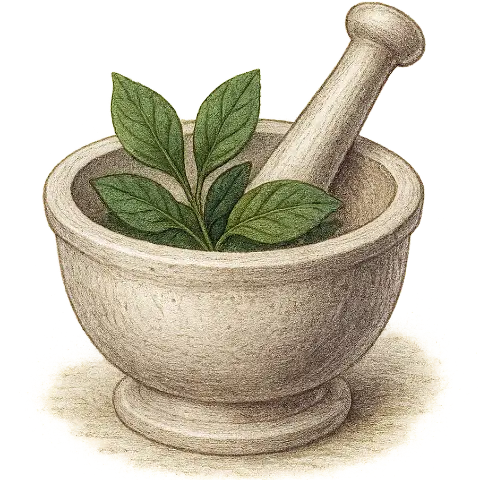
Used in Ayurveda and traditional medicine, True Cinnamon helps improve digestion, regulate blood sugar, reduce inflammation and fight microbial infections. It is used for colds, coughs, circulation issues and joint pain. Cinnamon essential oil is also used in aromatherapy and as a natural preservative.
Read more
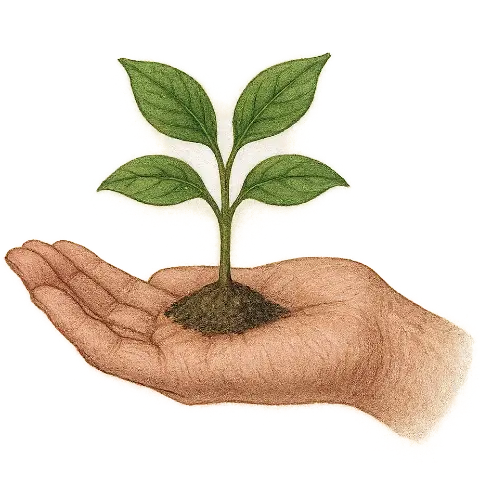
ECOLOGICAL IMPORTANCE
Cinnamon trees are well suited to plantation and agroforestry systems, where they support biodiversity by providing habitat for birds, insects and soil organisms. Sustainable harvesting of bark and leaves allows the tree to regenerate, making it an environmentally responsible spice crop.
Read more
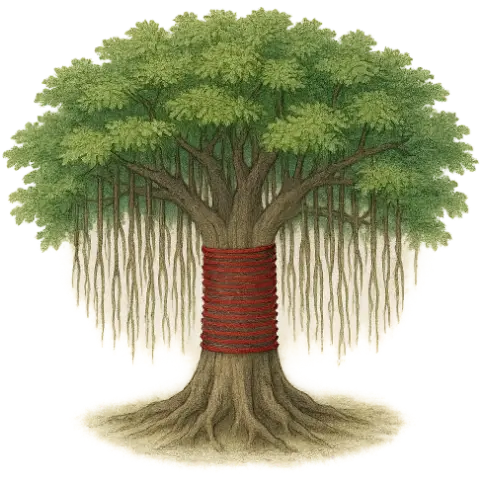
CULTURAL SIGNIFICANCE
Deeply rooted in Sri Lankan heritage, cinnamon has been cultivated for over 2,000 years and played a major role in global spice trade and history. It provides livelihoods through sustainable farming and symbolizes warmth, prosperity and healing in many cultures.
Read more
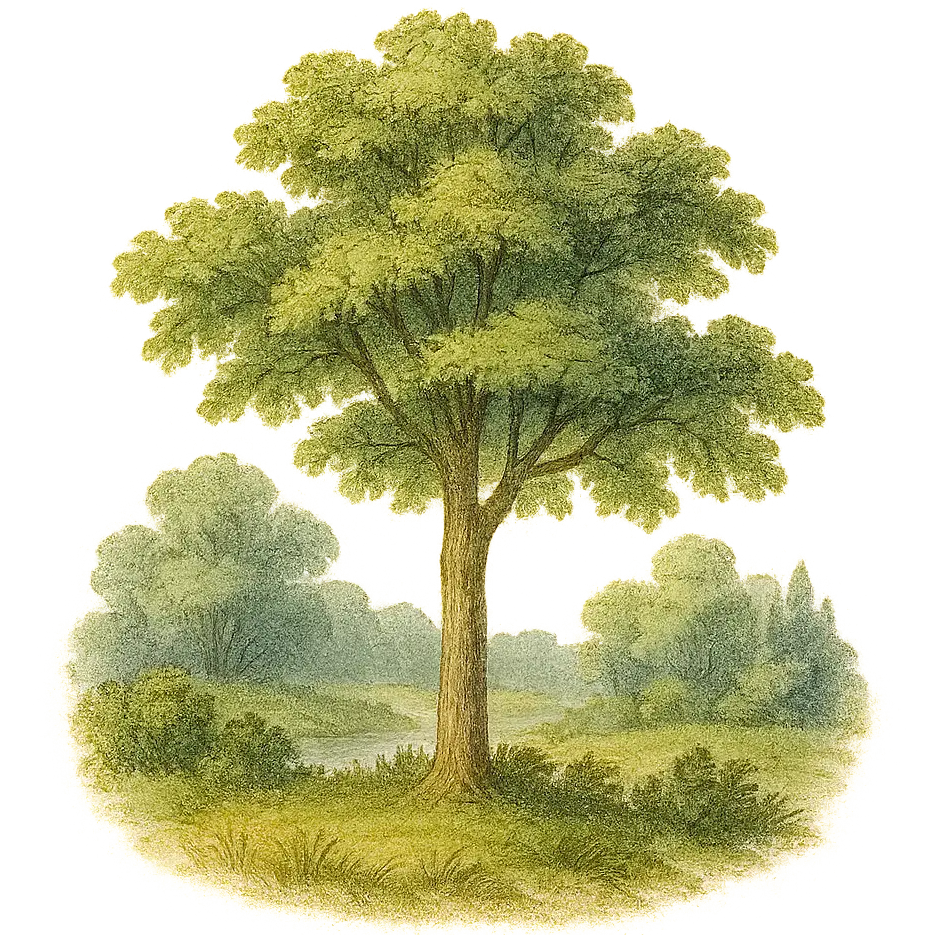
HABITAT
True Cinnamon grows best in warm, humid tropical climates, especially in well-drained loamy soils and elevations up to 1,000 m.
Read more
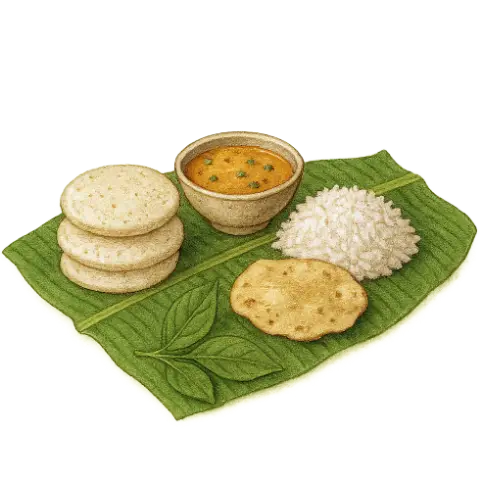
CULINARY USE
Highly valued for its light, sweet and refined flavour, True Cinnamon is used in desserts, curries, teas, spice blends, garam masala and masala chai. Cinnamon oil from bark and leaves is used in beverages, candies and flavoured foods.
Read more
FOUND HERE
Eden
Read more

DO YOU KNOW?
True Cinnamon quills are made of many thin layers rolled together, which is why they crumble easily and are considered superior to thicker cassia sticks.

EARTH CHALLENGE
What distinguishes True Cinnamon from Cassia Cinnamon?